Have you ever found yourself stuck in the middle of a conversation with your friends about design without being able to get a word in? Or do you simply want to know a little more about the furniture that has made history? We decided to take stock with 10 essential armchairs from the history of design.
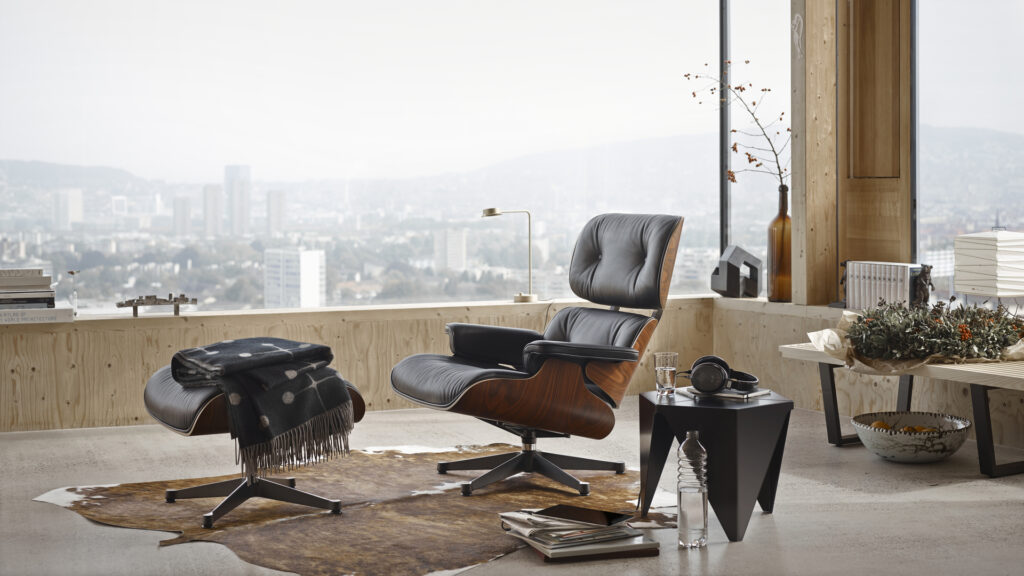
LOUNGE CHAIR – CHARLES AND RAY EAMES
Designed in 1956, the Lounge Chair is one of Charles and Ray Eames' most famous creations. With this creation, the couple reinterpreted the traditional English club chair, giving it "the warm look and feel of a worn first baseman's baseball glove." Distributed by the American companyHerman Miller andmore recently byVitra, the Lounge Chair remains one of the most popular and best-selling pieces of high-end designer furniture today.
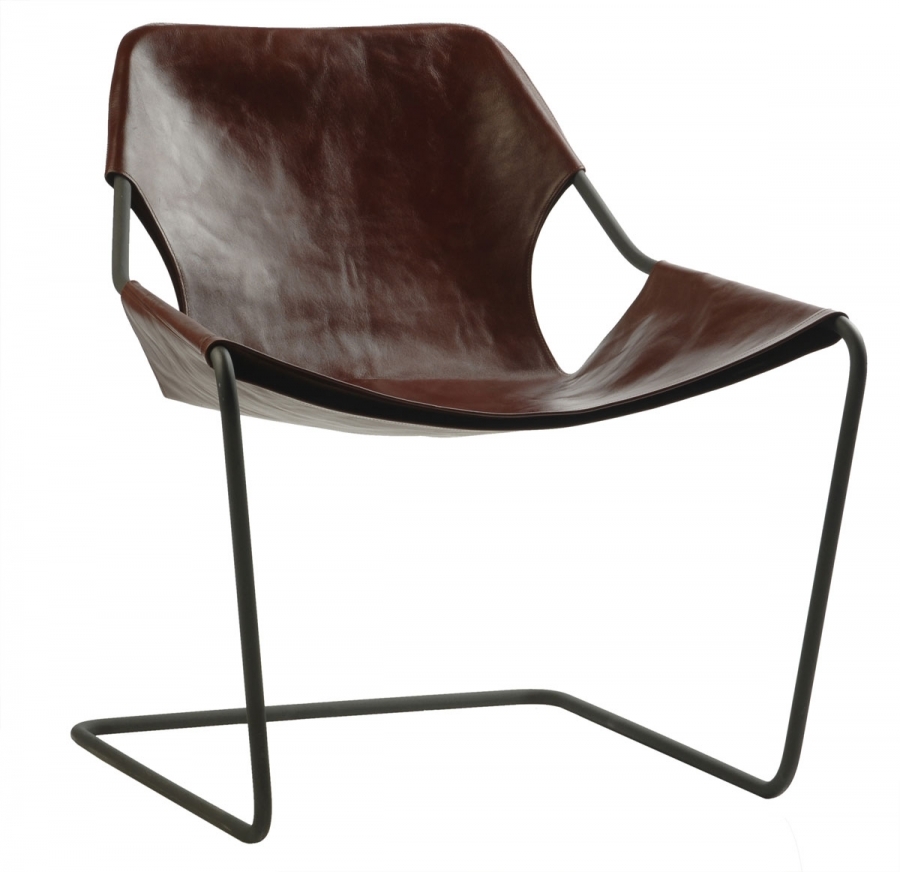
PAULISTANO – PAULO MENDES DA ROCHA
The Paulistano armchair was designed in 1957 by architect Paulo Mendes da Rocha to furnish the lounges of the São Paulo Athletics Club. With only 350 units produced, it was long reserved for a few lucky collectors before being reissued in 2005 by theObjekto company. The chair's constructivist design, consisting of a single bent steel bar, gives it an incomparable purity and lightness.
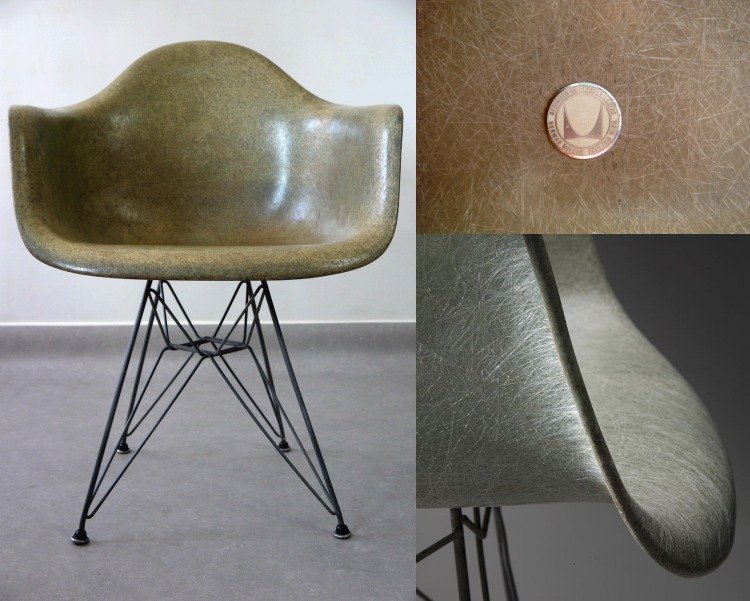
PLASTIC ARMCHAIR – CHARLES AND RAY EAMES
This is probably the most characteristic chair of the Eames style."Making the best accessible to the greatest number" is how the couple described their goal in terms of furniture. In their ongoing search for alternative materials to achieve their goal, they discovered fiberglass-reinforced polyester resin in 1940. Malleable, strong, and suitable for mass production, the resin gave rise to the "A-shell," the future seat of the plastic armchair.
After an initial presentation at the "Low Cost Furniture Design" competition organized by theMuseum of Modern Artin 1948, they embarked on large-scale production. In 1950, the chair made its debut in store windows as the first mass-produced plastic chair.
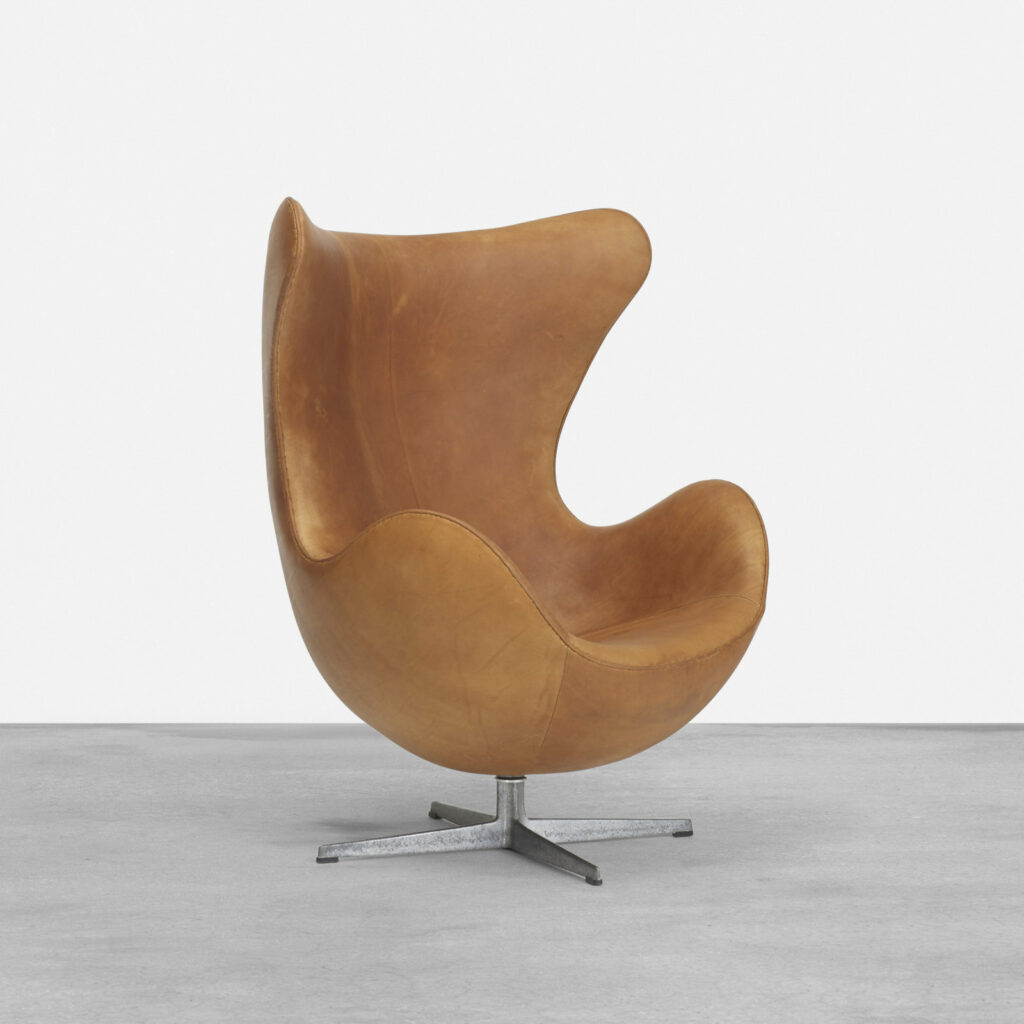
EGG – ARN JACOBSEN
Designed by Danish architect and designer Arn Jacobsen, this armchair continues to fascinate nearly 60 years after its creation. Designed in 1958 for the Royal Hotel in Copenhagen, its fame quickly spread beyond the hotel's doors to the point of becoming a symbol of its era. Its imposing size and charismatic shape provide a sense of intimacy for its occupant that cannot fail to impress. Entirely handmade, it can be upholstered in leather or fabric.
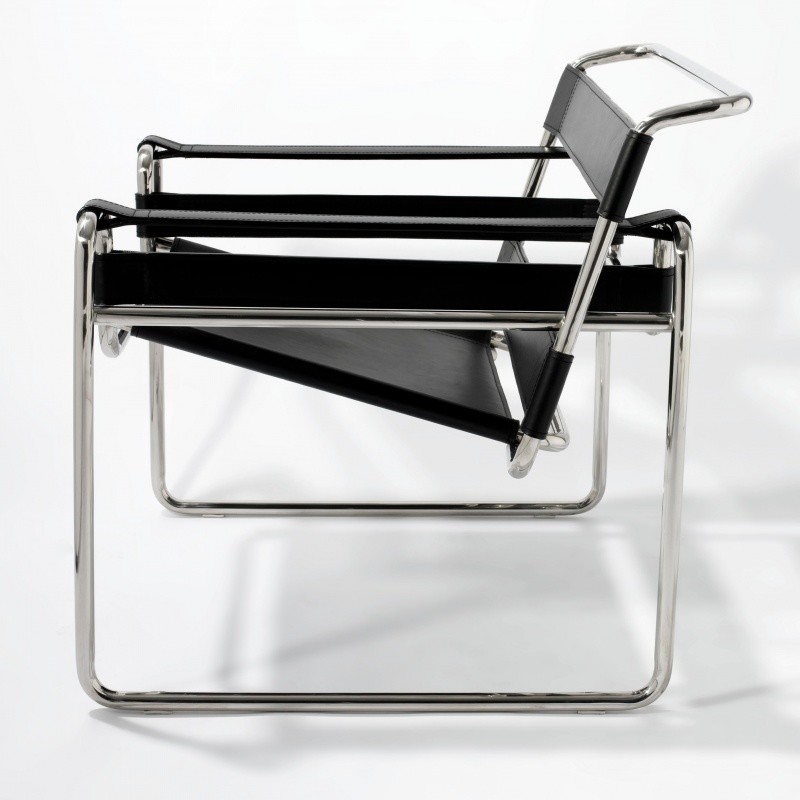
WASSILY – MARCEL BREUER
When it was released in 1925, the Wassily caused a real methodical and aesthetic storm. Marcel Breuer's first creation, the Wassily was innovative in its category by refusing to hide its frame behind cushions or upholstery. Inspired by the structure of a bicycle, the chair uses the same tubular steel for its frame as a handlebar, over which leather straps are stretched. A concept that may seem trivial but which revolutionized the codes of design.

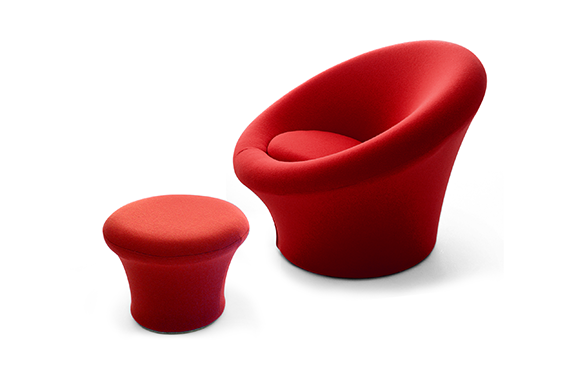
MUSHROOM – PIERRE PAULIN
Designed by French designer Pierre Paulin, the Mushroom is a true icon of the 1960s. Simple, colorful, and functional, it is made using a new manufacturing technique. A metal frame is covered with foam, over which a seamless jersey cover is slipped, giving it its smooth, smooth appearance. With his original shapes and bold vision, Pierre Paulin left a lasting mark on 1960s furniture and 20th-century design.
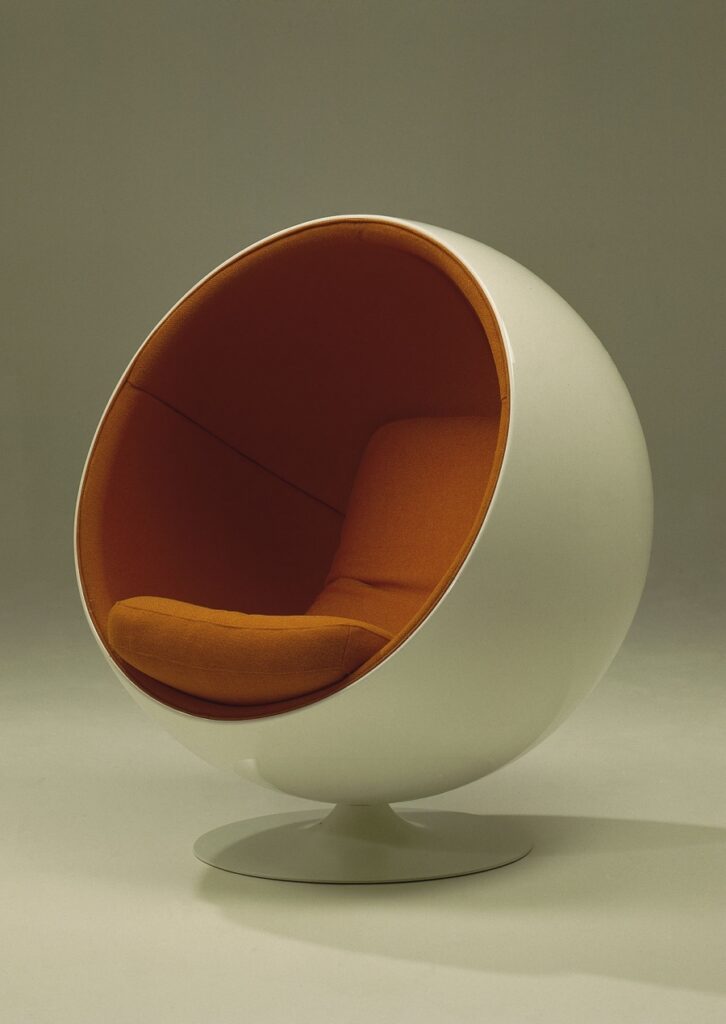
BALL CHAIR – EERO AARNIO
Designed in 1962, the ball chair is the undisputed icon of the 1960s. Finnish designer Eero Aarnio succeeded in the difficult challenge of ensuring real comfort in a spherical shape whose dimensions respect the width of a door. The chair transports and inspires dreams. It's impossible to sit in it without imagining yourself in a Jacques Tati film or a scene from Men In Black. Made from fiberglass, the white shell contrasts perfectly with the colorful interior of the cocoon. It imbues any room with a vintage and modernist atmosphere, like a vision of a fantastical future.
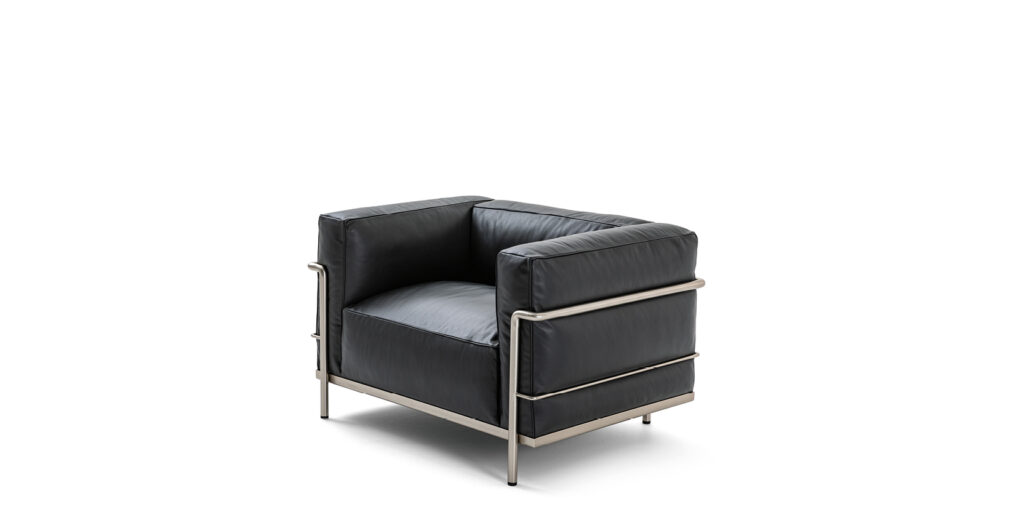
LC3 GRAND CONFORT – LE CORBUSIER
An international legend in architecture, Le Corbusier was also a genius designer. In 1927, he began collaborating with Pierre Jeanneret and Charlotte Perriand. Based on their observations of the different postures of the human body, in 1928 the group created the "Grand Confort." Composed of just four powerful independent cushions supported by a chrome-plated steel frame, the Grand Confort is an absolute design classic.
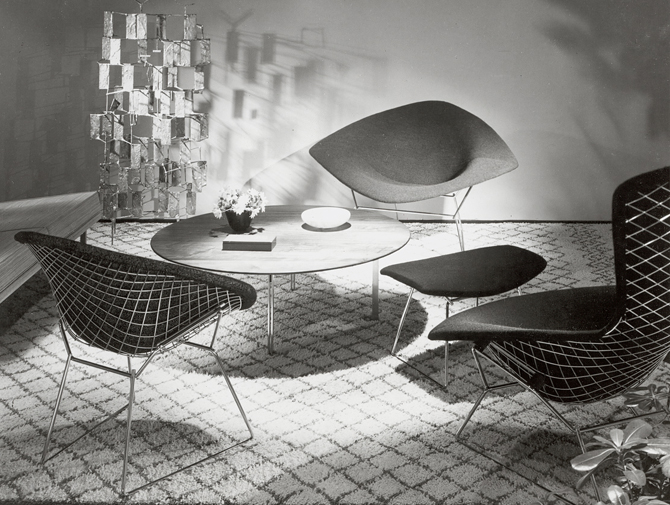
DIAMOND – HARRY BERTOIA
An Italian naturalized American, Harry Bertoia worked in both sculpture and design. These two worlds influenced each other in his work. The Diamond Chair, released in 1952, is a perfect example of this. It features a sculptural approach to design and is made of woven steel wire that seems to float through space.
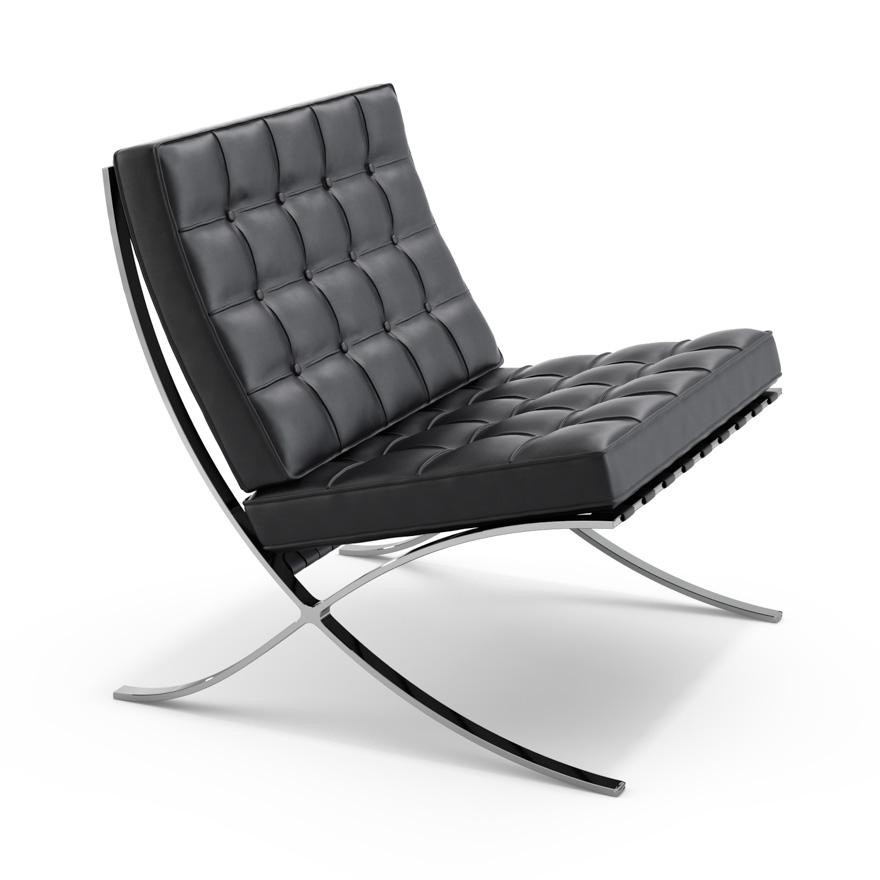
BARCELONA – LUDWIG MIES VAN DER ROHE
“It is almost easier to build a skyscraper than a chair,”said architect Ludwig Mies Van der Rohe. Commissioned by the German government, he originally designed this chair to represent his country at the 1929 World’s Fair in Barcelona. Since its creation, the Barcelona chair has been a design icon that has transcended fashions and eras. Its minimalist lines and metal structure, designed to conceal the welds, are a benchmark in furniture design.