
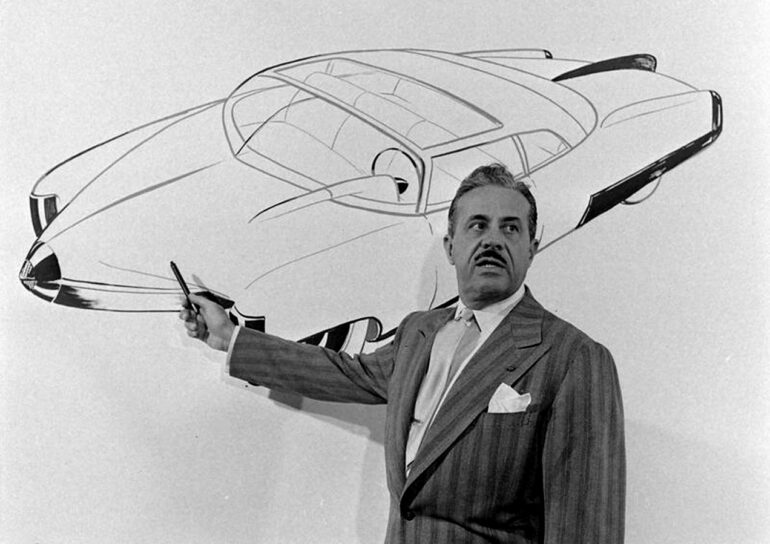
Raymond Loewy is not just a name in the annals of design; he is the very face of innovation and modern aesthetics. Born in France in 1893 and naturalized as an American citizen, Loewy left an indelible mark on the 20th century with his designs that combine functionality and beauty. He is often referred to as the "father of industrial design," and rightly so: his work shaped entire industries and influenced the way we perceive and use everyday objects.
A pioneering journey
Loewy began his career as a fashion illustrator, but it was in 1929, when he moved to the United States, that his career took a decisive turn. His first major success came with the creation of the Gestetner typewriter design. This achievement marked the beginning of a long series of collaborations with leading companies such as Coca-Cola, Exxon, Shell, and Studebaker.
Iconic logos
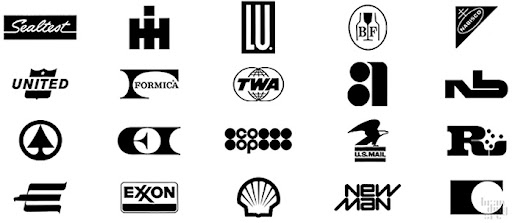
Loewy's talent for graphic design is undeniable. He created some of the world's most recognizable logos. The Coca-Cola logo, with its iconic font and sleek design, is one of his most famous works. He also designed the Shell logo, the stylized seashell that has become a universal symbol. The Lucky Strike logo, with its bold red circle, is further proof of his creative genius.
Automotive design: an aesthetic revolution
One of Loewy's most notable contributions was undoubtedly in the automotive industry. Working for Studebaker, he designed models that challenged the conventions of the time. The Studebaker Avanti, launched in 1962, is a perfect example of his avant-garde approach. With its sleek lines and futuristic look, it was hailed as a significant advance in automotive design.
Appliances and modern comforts
Loewy also left his mark on the design of household appliances. His work for Sears, Roebuck & Company transformed utilitarian objects into elegant and desirable design elements. The refrigerators, stoves, and other appliances designed by Loewy not only functioned perfectly, they were also beautiful to look at.

The conquest of space: a futuristic vision
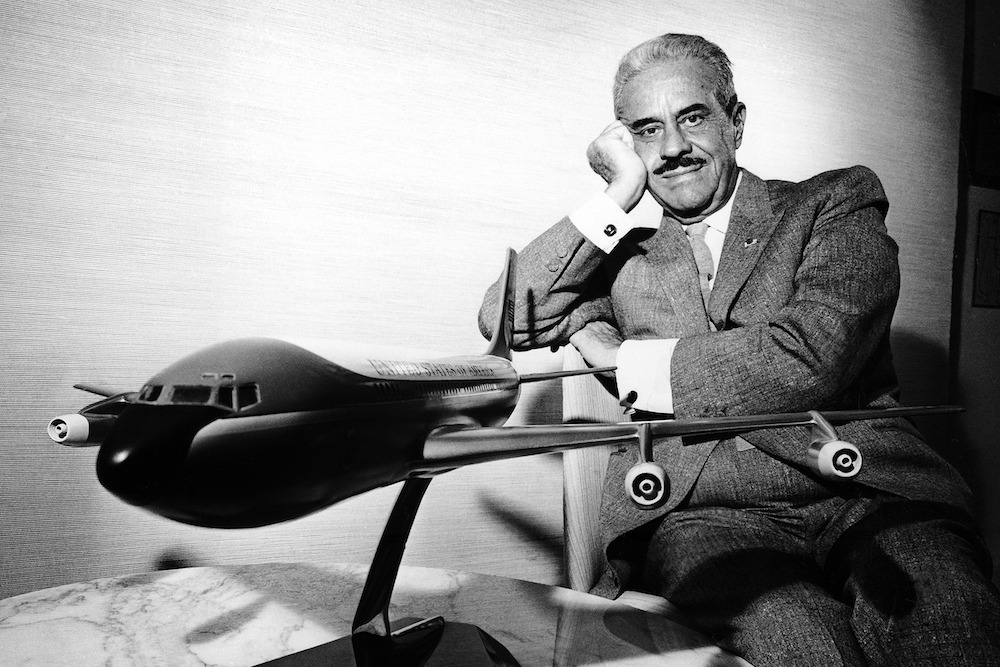
Loewy's influence even extends beyond Earth. In the 1960s, he worked with NASA to design the interior of Skylab, the first American space station. His attention to detail and user-centered approach helped make the astronauts' working and living environment more functional and enjoyable.
A lasting legacy
Raymond Loewy proved that design is not limited to aesthetics, but plays a crucial role in functionality and user experience. His philosophy, "ugliness sells poorly," perfectly sums up his approach to design. Today, his influence is still felt, whether in everyday objects, in the design principles taught in schools around the world, or in the work of new designers such as Philippe Starck.
Raymond Loewy didn't just design objects; he redefined what design could be. By merging art and technology, he created a visual language that continues to speak to generations. His legacy lives on, inspiring designers and creators around the world to push the boundaries of innovation and aesthetics.