
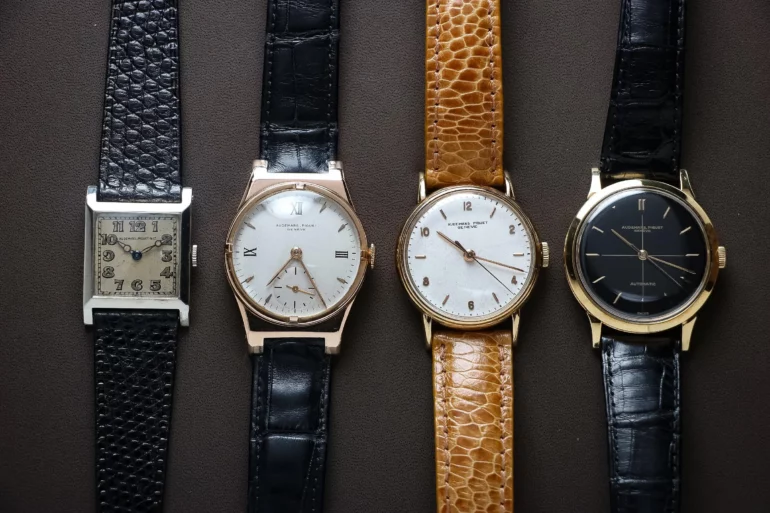
Vintage watches are attracting more and more collectors and enthusiasts, drawn by their timeless charm and history. However, this booming market is also rife with pitfalls, particularly counterfeit and modified pieces. Here are some essential tips to help you choose an authentic vintage watch and make an informed purchase.
1. Know the make and model
Before you rush into buying a vintage watch, it is crucial to be familiar with the brand and model you are interested in. Certain brands such as Rolex, Omega, Audemars Piguet and its Royal Oak, or Jaeger-LeCoultre ( whose smaller models are currently all the rage) are particularly sought after in the vintage world, but this also makes them prime targets for counterfeiters. Learn about iconic models, their production periods, and the specific characteristics of each version. Specialized forums, blogs, and collector's books can help you deepen your knowledge.
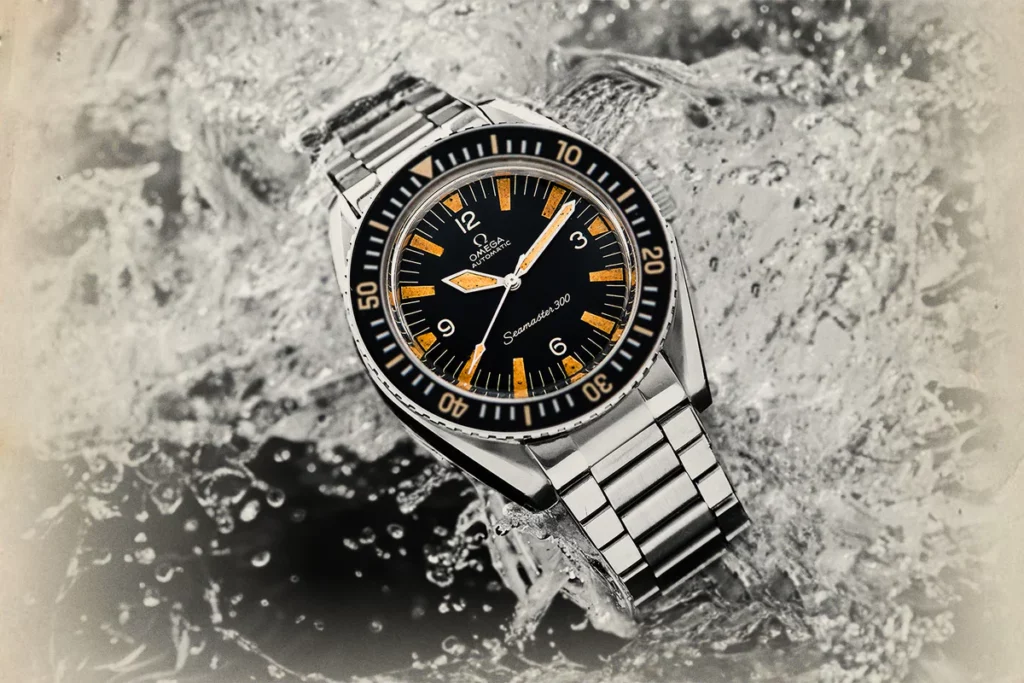 Omega Vintage
2. Examine the case and dial
The case of a vintage watch can tell much of its story. Look for natural signs of wear that attest to the watch's age, such as superficial scratches or a slight patina on the metal. However, be wary of watches that have been overly polished: excessive polishing can erase the sharp contours of the case and reduce the value of the piece, because yes, a vintage watch is also an investment.
The dial, meanwhile, is the most fragile and important part of a vintage watch. A dial in good condition is a guarantee of authenticity, but a redone or restored dial can often be difficult to identify to the untrained eye. Make sure that the dial has not been repainted and that the lettering is original. Slight discoloration or patina is normal, but typographical errors or misaligned elements are signs of tampering.
3. Check the movement
The movement, or internal mechanism, is often referred to as the "heart" of the watch. For an authentic vintage watch, the movement must correspond to the model and year of production. It is recommended that you have the watch opened by a professional to examine the condition of the movement and verify that it has not been modified or replaced. In addition, some brands engrave their logos or serial numbers directly on the movement, which is a valuable indicator of authenticity.

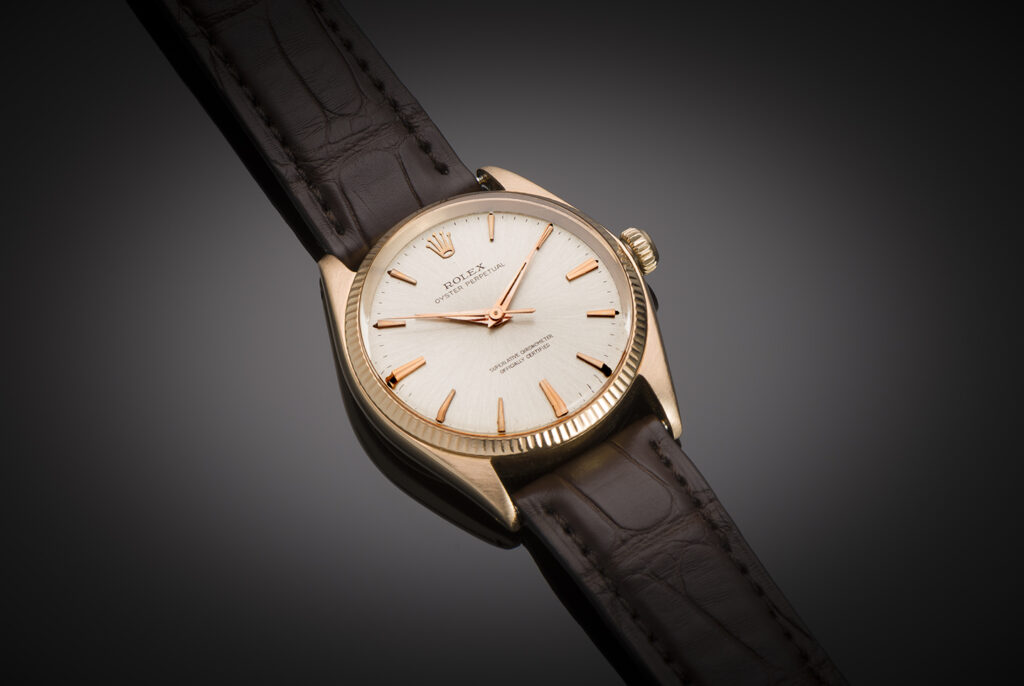 Vintage Rolex
4. Serial and reference numbers
One of the most reliable ways to verify the authenticity of a vintage watch is to check the serial and reference numbers. These numbers, engraved on the case and sometimes inside it, must match the manufacturer's records. Several brands, such as Rolex, Audemars, and Omega, maintain databases that allow the origin and history of each watch to be traced. If possible, also ask for the original documents or certificates of authenticity.
5. Purchase from reliable sources
Finally, to avoid unpleasant surprises, buy from specialist retailers or auction houses known for their expertise in vintage watches. If you buy online, make sure the seller has a solid reputation, with positive reviews and guarantees. Be wary of offers that seem too good to be true; authentic, high-quality vintage watches are rarely offered at very low prices.
Choosing an authentic vintage watch requires patience and caution. By arming yourself with knowledge and taking the time to inspect every detail, you can not only acquire a valuable timepiece, but also enter the fascinating world of watches that have stood the test of time.