
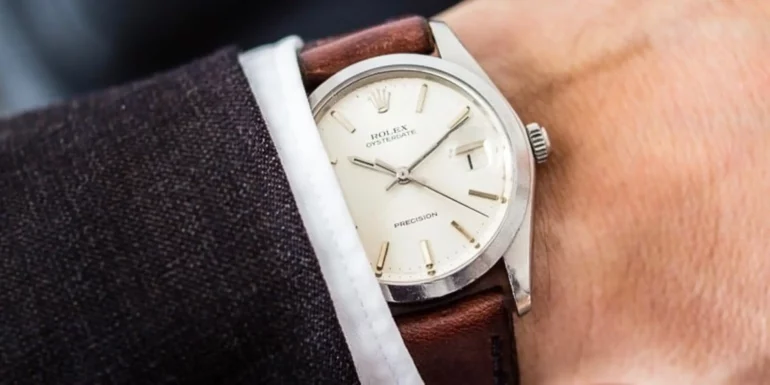
In the world of luxury goods, few empires are as fascinating as those of Swiss watchmakers. Names such as Rolex, Cartier, and Vacheron Constantin evoke not only prestige, but also colossal fortunes. Here is a ranking of the titans of Swiss Made: market capitalization and main shareholders.
Rolex: the undisputed leader
Estimated value: 8 billion Swiss francs
Founded in 1905, Rolex embodies the pinnacle of luxury watchmaking. The brand with the crown dominates the global market with its precise and robust watches. Each year, Rolex produces around one million watches, making it a symbol of status and success. The brand has also managed to remain independent, refusing takeover bids from major luxury conglomerates.
Shareholders: The company is owned by the Hans Wilsdorf Foundation, a charitable organization established by the founder of Rolex.
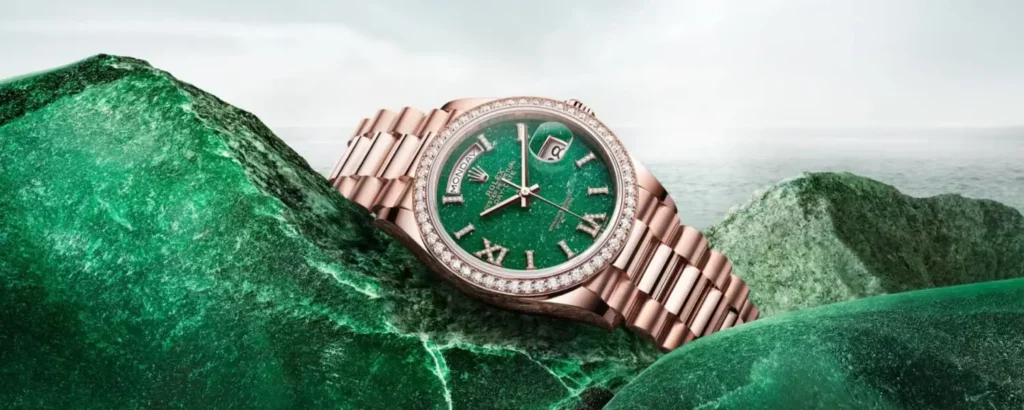 © Rolex
Cartier: the king of jewelers
Estimated value: 6 billion Swiss francs
Cartier, founded in 1847, has established itself as a giant not only in watchmaking but also in jewelry. Cartier watches, with their iconic design and timeless elegance, attract a prestigious clientele. From the Santos to the Tank, each model reflects a certain idea of style and sophistication.
Shareholders: Cartier is a subsidiary of Richemont, a Swiss luxury goods conglomerate founded by South African billionaire Johann Rupert.
Patek Philippe: the fine art of watchmaking
Estimated value: 5 billion Swiss francs
Founded in 1839, Patek Philippe is synonymous with tradition and innovation. Patek Philippe watches are often considered the most refined in the world, with watch complications that defy the imagination. This independent brand continues to appeal to collectors with unique pieces and limited editions.
Shareholders: The Stern family has owned Patek Philippe since 1932.
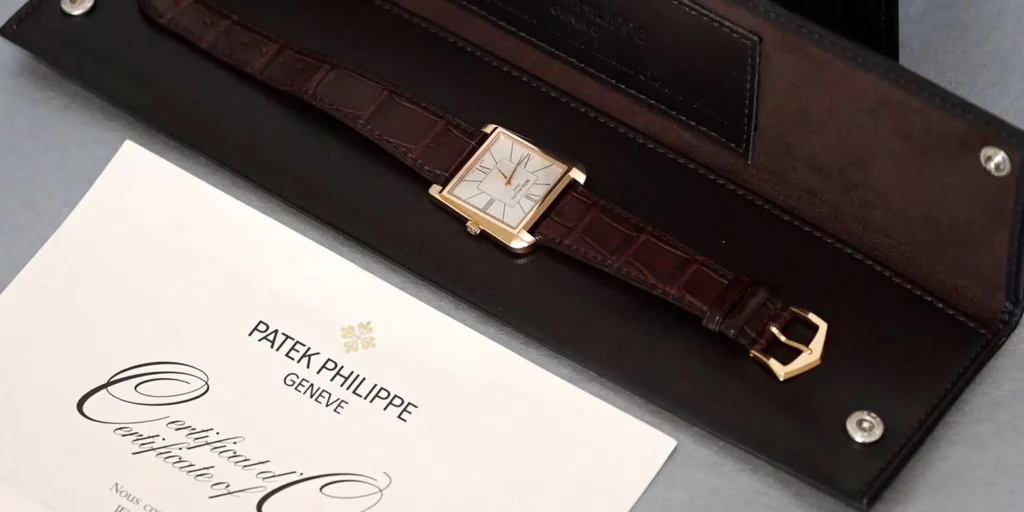 © Patek Philippe
Vacheron Constantin: timeless elegance
Estimated value: 3 billion Swiss francs
Since 1755, Vacheron Constantin has been creating watches of incomparable beauty and precision. The brand stands out for its craftsmanship and technical innovations. Now part of the Richemont group, Vacheron Constantin continues to maintain its aura of exclusivity and prestige.
Shareholders: Vacheron Constantin is a subsidiary of Richemont.
Omega: sporty and competitive
Estimated value: 2 billion Swiss francs
Omega, founded in 1848, is famous for equipping NASA astronauts during the Apollo 11 mission. The Speedmaster, "the watch of space," is one of its most iconic models. The brand combines performance and elegance, making it a favorite choice for athletes and explorers.
Shareholders: Omega is a subsidiary of the Swatch Group, the world's largest watch manufacturer, which explains its iconic collaboration with its parent company.
Audemars Piguet: the audacity of innovation
Estimated value: 1.5 billion Swiss francs
Audemars Piguet, founded in 1875, is renowned for its avant-garde spirit. The Royal Oak, with its revolutionary design in 1972, redefined the codes of luxury watchmaking. The brand continues to innovate with models that combine aesthetics and technical expertise.
Shareholders: The company is still owned by the founding families Audemars and Piguet.
TAG Heuer: precision in sports
Estimated value: 1 billion Swiss francs
TAG Heuer, founded in 1860, is synonymous with precision and performance. Particularly known for its chronographs, the brand has made a name for itself in the world of motorsports. TAG Heuer combines tradition and modernity, attracting a young and dynamic clientele.
Shareholders: TAG Heuer has been a subsidiary of LVMH (Moët Hennessy Louis Vuitton), one of the world's largest luxury goods groups, since 1999.
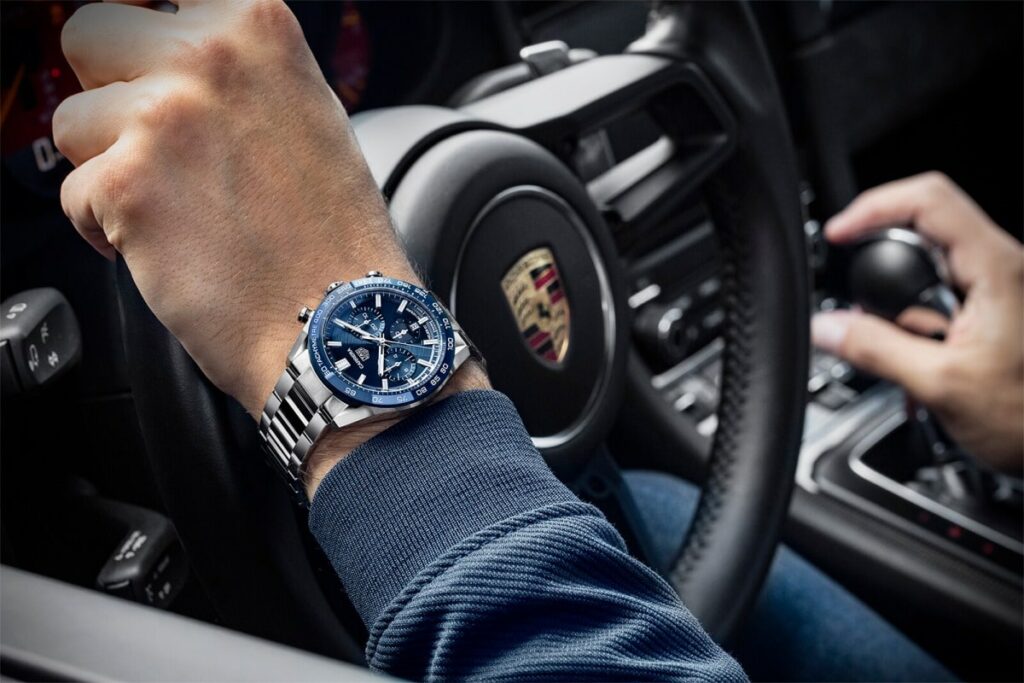 © Tag Heuer and Porsche
These brands represent not only Swiss watchmaking excellence but also impressive financial empires. Each of them, with its history and expertise, continues to set the standards for luxury and precision.