
Ah, trends. We love to talk about them, and the luxury world is no exception. More specifically, as you might expect, sustainability is becoming a key issue for luxury brands. Here's an overview.
Brands becoming more environmentally conscious
In 2024, we are witnessing a significant shift in the luxury industry: an awakening of environmental awareness. Haute couture houses and prestigious brands can no longer ignore the climate emergency and the need to preserve natural resources. Consumers are becoming increasingly demanding, calling for products that are not only elegant but also environmentally friendly.
For several years now, the biggest names in fashion and jewelry have been incorporating sustainable practices into their production processes. However, 2024 marks an acceleration of this trend, characterized by ambitious initiatives and bold innovations.
The rise of ethical raw materials
One of the crucial aspects of this transformation is the adoption of ethical raw materials. Major fashion houses are now turning to materials from renewable and traceable sources. Vegetable leather, for example, made from plants such as pineapple or mushrooms, is gaining popularity. Brands such as Hugo Boss and Stella McCartney are at the forefront of this revolution, offering stylish and environmentally friendly products.
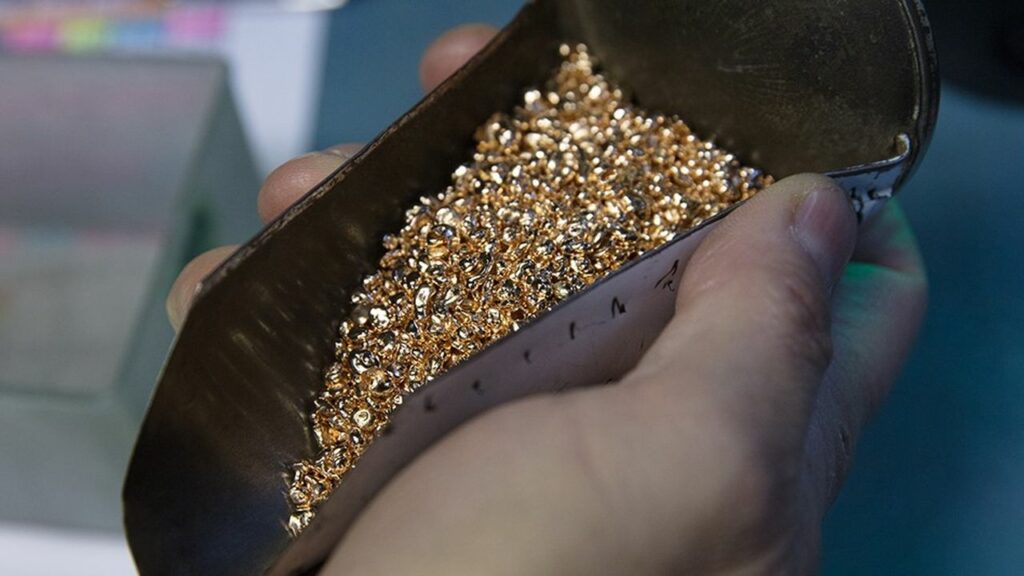
Biomaterials, such as spider silk or lab-grown leather, also offer new opportunities. These materials drastically reduce the carbon footprint of luxury goods while maintaining the level of quality and refinement expected by the most demanding customers. Innovative companies such as Bolt Threads are collaborating with prestigious brands to incorporate these materials into their collections.
Transparency and traceability: top priorities
Luxury consumers have become true agents of change. They demand transparency regarding the origin of materials and production conditions. In response, luxury brands have adopted rigorous traceability practices.
Certifications such as GOTS (Global Organic Textile Standard) and Fair Trade have become essential guarantees to reassure customers about the ethical and environmental impact of their purchases. Louis Vuitton, for example, strives to certify that all its suppliers comply with these standards.
Blockchain technology is also used to ensure complete transparency. By recording information about each stage of the supply chain in the blockchain, brands can offer their customers a reliable and unalterable overview ofthe life of their products, from raw materials to the final item. Gucci recently integrated this technology into some of its items, strengthening consumer confidence.
Craftsmanship rediscovered and sanctified
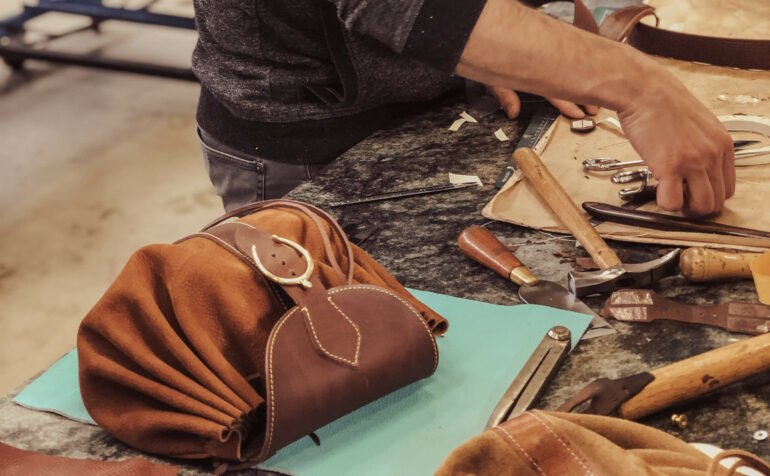
With quiet luxury, which prioritizes quality over quantity, artisanal craftsmanship is making a strong comeback. In 2024, the focus is on local production and unique pieces, the result of meticulous work by artisans.
Brands such as Hermès and Bottega Veneta are promoting their collections by returning to ancestral traditions. Natural materials such as linen and wool are carefully crafted using traditional techniques, as Hermès has done with its new leather goods from Louviers. This movement helps to preserve traditional crafts while producing items of unparalleled quality.
Customization
Personalization is another strong trend in 2024. By allowing customers to co-create their pieces, brands offer added emotional value and reduce waste through on-demand manufacturing. Houses such as Fendi offer workshops where buyers can choose the materials, colors, and finishes for their items, creating unique pieces that tell a personal story.
Eco-design and product life cycle
Eco-design and product life cycles have become cornerstones of sustainable luxury. In 2024, luxury brands are striving not only to create sustainable products, but also ones that are easily repairable and recyclable.
Brands such as Patagonia, although more commonly associated with sportswear, serve as inspiration for luxury fashion houses to incorporate sustainable design philosophies. Materials are chosen not only for their aesthetics and quality, but also for their durability.