The image of embassies is often limited to glamorous receptions in evening attire, as popularized by advertisements for Ferrero Rocher or the Madeline children’s book series. While it is true that high-profile events are part of their institutional remit, modern embassies play a far more complex and essential role in 21st-century diplomacy and geopolitics.
As a journalist specializing in foreign affairs, I regularly have the opportunity to visit these centers of power. Among my recent visits, I recall a captivating lecture on Finnish excellence in media literacy at the Finnish Residence; the opening reception at the Italian Embassy for a Milanese artist based in London; and the celebration of Shrove Thursday at the Polish Embassy, featuring a tasting of six different varieties of doughnuts. These events perfectly illustrate the public dimension of diplomatic work. However, what often escapes the notice of citizens living in their own country is the immense daily work carried out behind the scenes: essential consular assistance (ranging from passport renewals to the coordination of repatriations), the development of economic and commercial ties, strategic intelligence gathering, and, the most fundamental function of all, the role of a physical sanctuary for people in distress. A functional and aesthetically pleasing embassy is a major asset in promoting a nation’s influence on a daily basis.

Traditional diplomacy put to the test by the logic of profitability
In an increasingly fragmented global landscape, foreign affairs are making headlines. Yet traditional diplomatic practices are now being called into question, which could seriously undermine their effectiveness. Like other leaders, U.S. President Donald Trump regularly chooses to bypass traditional channels in favor of highly publicized events. Instead of entrusting complex missions to Secretary of State Marco Rubio, he delegates his most crucial international trips to Steve Witkoff, a New York real estate mogul with absolutely no diplomatic experience.
This bypassing of career diplomats has been accompanied by a drastic reduction in allocated resources. As journalist Henry Rees-Sheridan detailed, Marco Rubio announced in April 2025 a significant reduction in the U.S. diplomatic footprint, with plans to close 132 offices around the world. Shortly thereafter, a leaked internal document revealed recommendations to eliminate an additional 10 embassies and 17 consulates. The administration’s stated goal, in Mr. Rubio’s words, is to ensure a better “return on investment” for the American taxpayer.

When viewed solely through the lens of commercial optimization and short-term gains, diplomats and the buildings that house them may seem like a financial burden. It takes decades to train the former, and nearly as many years to build and furnish the latter. Proponents of this purely cost-based approach view them as relics of an era when information flowed in dribs and drabs and procedures required paper and physical stamps. This view, however, is dangerous and profoundly mistaken. In times of conflict or geopolitical upheaval, a business leader cannot replace the expertise of a seasoned diplomat. Similarly, an anonymous coworking space on the 15th floor of a glass tower will never replace the institutional weight and cultural roots of a genuine, historic embassy, carefully situated in the heart of a capital city.
The art of embodying a nation through architecture and hospitality
Managing bilateral relations requires the expertise of professionals specifically trained in the delicate art of negotiation. These specialists immerse themselves fully in the politics, culture, and media landscape of their host country to decipher its nuances and convey them to their government. While ambassadors physically embody the state they represent, the embassy building offers the nation a unique showcase of influence, skillfully blending architectural excellence with a keen sense of hospitality.
To highlight international best practices in this area, we asked various correspondents to identify the most remarkable diplomatic missions around the world. This research identified eight exceptional embassies, categorized by their areas of expertise: best promotion of soft power, most remarkable gastronomy, most beautiful restoration of a historic building, most relevant shared embassy initiative, most successful chancellery renovation, most beautiful tribute to local traditions, most accomplished interior design, and most daring architecture. While each building in this selection possesses a strong identity—from London to Singapore, via Stockholm, Berlin, Seoul, Rome, Washington, and Addis Ababa—they all share a common success: they are formidable vehicles for promoting their countries’ influence.
A selection of the most inspiring chancelleries around the world
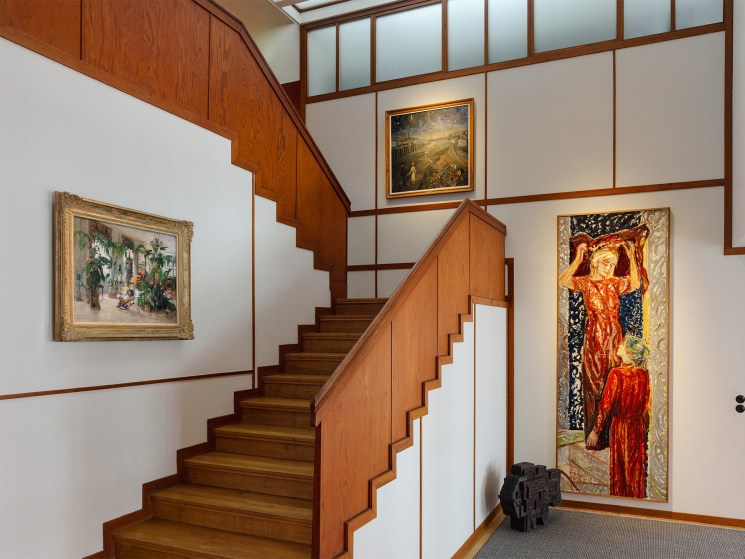
Norwegian Embassy in Stockholm: When Modernist Design Supports Nordic Diplomacy
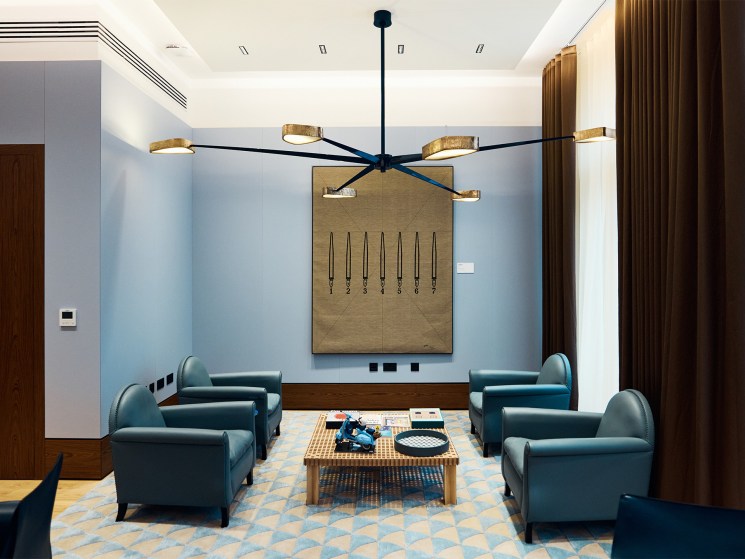
Italian Embassy in London (Casa Italia): A shining example of soft power promotion
Peruvian Embassy in Washington: Diplomacy on a Plate at the City’s Best Andean Restaurant

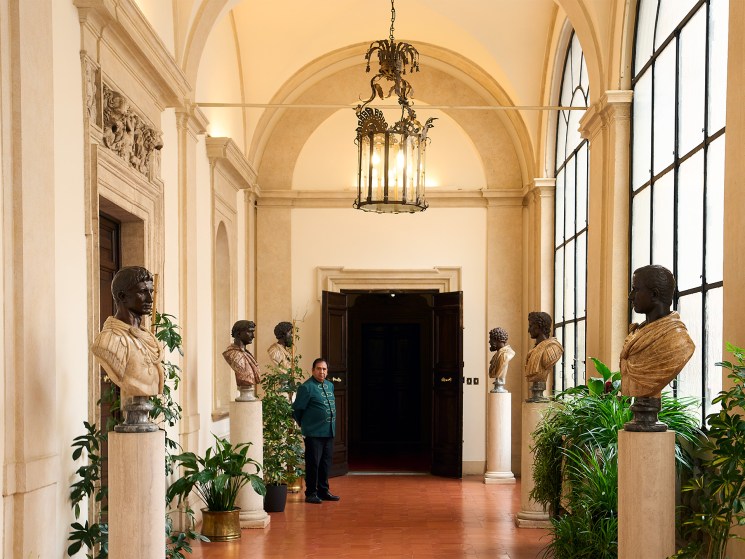
Brazilian Embassy in Rome: The Diplomatic Guardians of Italy’s Heritage
Dutch Embassy in Addis Ababa: Dutch Diplomatic Ideology Embodied in Architecture

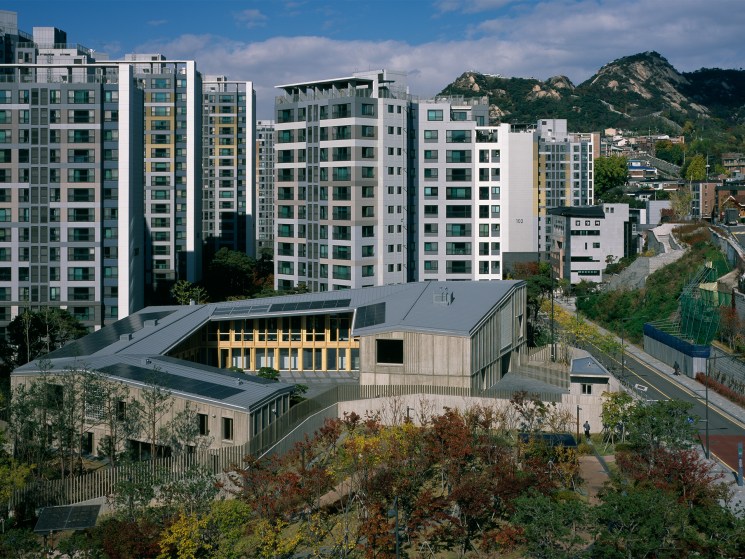
Swiss Embassy in Seoul: Architecture as an Ambassador, with a Building Inspired by Traditional Hanok Houses
The five Nordic embassies in Berlin: The ultimate symbol of multilateral solidarity

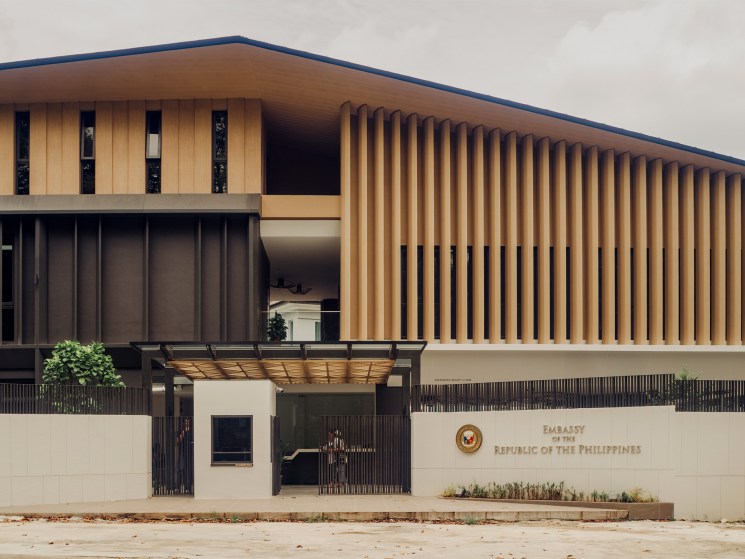
Philippine Embassy in Singapore: A spectacular renovation providing a new chancery for its citizens abroad