

Luxury has long been synonymous with exceptionalism and rarity. However, faced with increasingly demanding consumers, major brands must go further. Personalization has become an essential differentiator, transforming the shopping experience into a tailor-made journey, where each customer can shape a product to suit their image. This trend, which affects fashion, jewelry, automobiles, and hotels alike, is based on a two-pronged approach: the use of new technologies and the promotion of artisanal expertise.
Customized luxury: high consumer expectations
The days of buying a luxury product "off the rack" with no possibility of modification are over. Today, 68% of luxury consumers say they want personalized items, according to a study by Accenture. This quest for exclusivity responds to an emotional need: to own a unique object that reflects their identity and personal style. The rise of digital technology allows brands to respond effectively to this demand, thanks to interactive tools and advanced customization services.
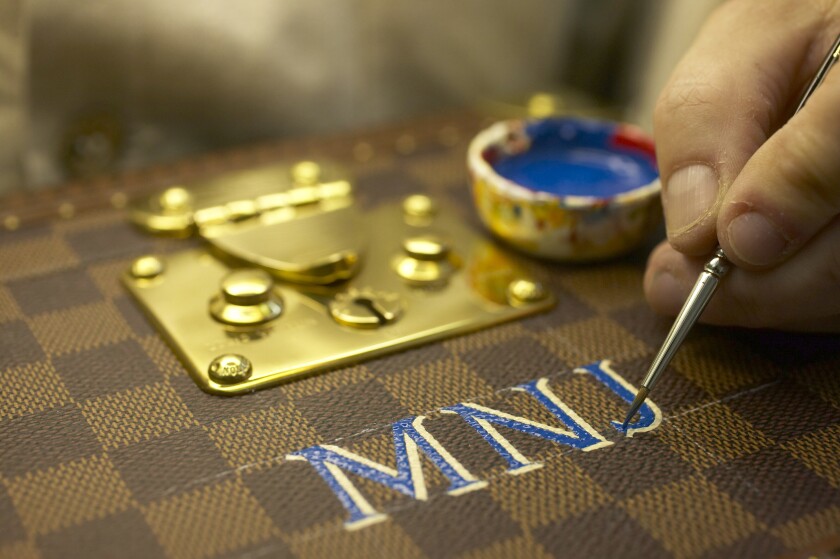
Prada, for example, has introduced a 3D configurator for its iconic America's Cup shoes, offering customers the opportunity to choose the materials and colors for each element, as well as add their initials. At Louis Vuitton, the famous Monogram canvas can be embellished with initials or colored stripes selected by the customer. The brand has also developed a customization service for trunks and handbags, where every detail—from the interior lining to the metal finishes—can be chosen on demand.
Jewelry and watchmaking: toward unique creations for each customer
In the world of jewelry, customization is becoming the norm. Cartier and Van Cleef & Arpels, which recently organized an exhibition on Japan in Paris, offer services that allow customers to engrave a message or add individually selected gemstones. Gemmyo, a French jewelry brand, focuses on modularity: each ring can be configured online, with a choice of precious metals and stones, thus modifying the price and final aesthetic of the piece.
In watchmaking, Audemars Piguet and Rolex are developing customization programs for certain exclusive models. Richard Mille, for its part, is exploring customization with innovative materials, allowing each watch to reflect the personality of its owner.
The automotive industry and ultra-personalization
Luxury car manufacturers, aware of the growing demand for customization, have long embraced this principle. Bentley allows its customers to choose wood veneers from century-old trees, while Rolls-Royce offers fully bespoke interiors, with the option of incorporating personalized designs on the seats or dashboard. Ferrari and Lamborghini have also incorporated advanced customization services, ranging from exterior colors to interior materials and specific embroidery on the seats.
The rise of technology in luxury personalization
Technological innovations are taking the personalized experience even further. Artificial intelligence and data analyze customer behavior and preferences in order to offer highly targeted recommendations.
Major fashion houses are adopting advanced solutions to refine their services. Connected mirrors, used by Burberry and Chanel, allow customers to virtually try on clothes and accessories by customizing colors and materials. Augmented reality, developed by L'Oréal and Dior, offers apps that allow customers to try on makeup or glasses from a smartphone. Gucci has implemented an accessory customization program that allows customers to view the final product in 3D in real time before placing an order.
Customer experience and exclusivity: a winning strategy
Far from being a mere trend, as we have seen, personalization is becoming a real driver of customer loyalty. By offering their customers the opportunity to create unique and exclusive items, brands are strengthening their emotional attachment to their world. Some companies are going even further by integrating personalization into the customer experience.
Ralph Lauren Purple Label offers private appointments with a tailor to create a bespoke suit. Tiffany & Co. allows customers to personalize their jewelry boxes by adding their name. Berluti and Hermès are developing bespoke services where each piece is created from scratch according to the customer's wishes.
Towards increasingly personalized luxury
The rise of personalization in luxury goods marks a strategic turning point for major brands. Faced with a public that values individuality and rarity, standardized offerings are no longer enough. Today's brands must juggle craftsmanship and artificial intelligence, tradition and innovation, to offer products that transcend simple consumption and become true experiences.