

In 2026, the Southeast Asia region is launching a series of innovative campaigns focused on sustainability, culture, and well-being to strengthen its presence in the European market and meet the growing expectations of responsible travelers.
A regional tourism offensive targeting Europe in 2026
In 2026, several Southeast Asian countries are mobilizing with ambitious new tourism campaigns to attract European travelers. Malaysia, at the forefront, launched its "Visit Malaysia 2026" campaign at an event in London, highlighting a clear focus on sustainability, cultural heritage, adventure, and digitalization. This initiative is primarily aimed at strengthening ties with the British and Swiss markets, illustrating the determination to develop its European presence through strategic partnerships and an expanded air network, notably with British Airways. The Malaysian government plans to attract around 47 million international visitors, also relying on collaborations with key players in the hotel industry such as YTL Hotels, which are involved in the joint promotion of the destination. ([1], [2], [4])
"Visit Malaysia 2026" is based on five main areas: sustainable tourism, cultural and heritage experiences, nature adventure trips, digital innovations, and increased connectivity. This diversity makes it possible to meet the expectations of today's European tourists, who are sensitive to authenticity and environmental responsibility. The Sarawak region of Malaysia exemplifies this approach by promoting its UNESCO World Heritage sites, reconciling conservation and tourism, while reinforcing its image as a destination rich in cultural discoveries and ecotourism. ([2], [7])

Complementary campaigns in Southeast Asia
In addition, Thailand launched its new global campaign, "Healing is the New Luxury," at the 2025 World Travel Market in London, aiming to position the country as a destination for wellness, culture, and sustainable development. The initiative highlights meditation retreats, traditional healing workshops, and authentic community experiences, in line with the global trend toward wellness-focused and authentic travel. To facilitate access for European tourists, Thailand has strengthened its air links in partnership with Norse Atlantic Airways (routes from Manchester, London, and Stockholm to Bangkok and Phuket) and Air France (Paris-Phuket). These efforts reinforce its presence in the European market, where nearly half of visitors are repeat travelers, demonstrating their loyalty to the destination. ([1], [3], [6])
The Philippines, meanwhile, continues to focus on its "Love the Philippines" initiative, launched in 2023, capitalizing on its new airport infrastructure, including the direct Manila-Paris route. This strategy aims to increase European tourism, particularly to France and neighboring countries, in a context marked by the gradual recovery of European tourism after a period of slowdown, mainly due to the decline in Chinese visitors. ([1])
For its part, Indonesia launched the "Go Beyond Ordinary" campaign in November 2025 at the World Travel Market in London. It aims to attract European tourists by promoting more immersive experiences such as gastronomy, wellness, and marine activities. Partnerships with digital platforms such as Trip.com enable Indonesia to directly reach an audience seeking authenticity and extraordinary discoveries. The campaign is part of a repositioning of the "Wonderful Indonesia" brand to expand its presence in the European market. ([1])

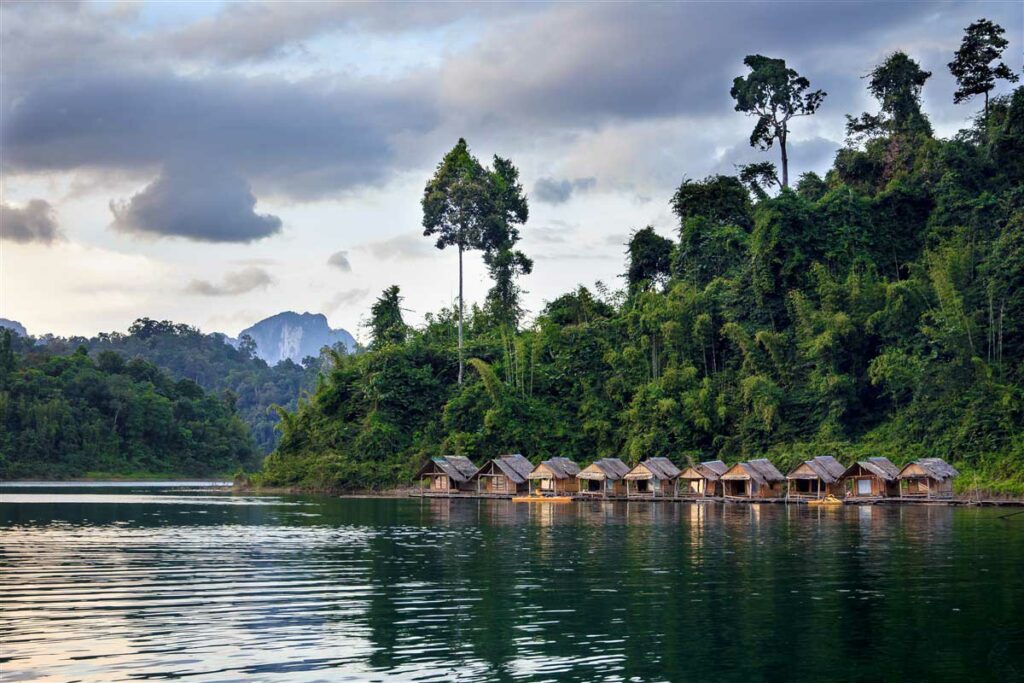
A dynamic combining growth and environmental awareness
All of these campaigns reflect a collective strategy across the Southeast Asia region to attract European tourists, with an emphasis on sustainable tourism, cultural richness, and well-being. The modernization of air infrastructure and the development of digital initiatives demonstrate the region's desire to adapt to an increasingly demanding international market. However, the challenge remains to find a balance between tourism growth and the preservation of fragile ecosystems and local cultures. Growing environmental awareness in these countries reflects a desire to move away from mass tourism, while reassuring a European public that is increasingly critical of both substance and form.
📌 References:
- – [1] (Travel and Tour World)
- – [2] (Tourism Malaysia)
- – [3] (Tourism Authority of Thailand)
- – [4] (Tourism Malaysia)
- – [6] (Panorama Destination)
- – [7] (Sarawak Edition)
Sources
- https://www.travelandtourworld.com/news/article/malaysia-joins-thailand-philippines-and-indonesia-in-launching-new-exciting-tourism-campaigns-to-allure-european-tourists-in-2026-what-you-need-to-know/ – Please view link – unable to access data
- https://www.tourism.gov.my/media/view/malaysia-launches-visit-malaysia-2026-campaign-in-london-to-boost-uk-visitor-arrivals – On June 3, 2025, the Malaysian government launched the Visit Malaysia 2026 campaign in London, aimed at strengthening partnerships with British tourism stakeholders and promoting Malaysia as a tourist destination. The campaign focuses on five strategic pillars: sustainable tourism, cultural and heritage experiences, adventure and nature travel, digital innovation, and global connectivity. The UK is identified as one of Malaysia's key European markets, with initiatives to attract more British visitors. (tourism.gov.my)
- https://www.tatnews.org/2025/11/tat-introduces-healing-is-the-new-luxury-at-amazing-thailand-press-conference-at-wtm-2025/ – On November 5, 2025, the Tourism Authority of Thailand (TAT) unveiled its new global campaign, "Healing is the New Luxury," at the Amazing Thailand press conference at the World Travel Market (WTM) 2025 in London. This initiative aims to position Thailand as a destination for wellness and meaningful travel, highlighting its strengths in wellness, culture, and sustainability. The campaign targets European, American, Oceanic, and Middle Eastern markets, with strengthened partnerships with international airlines to improve connectivity. (tatnews.org)
- https://www.tourism.gov.my/media/view/malaysia-welcomes-the-world-tourism-malaysia-and-ytl-hotels-join-forces-for-visit-malaysia-2026 – On October 30, 2025, Tourism Malaysia and YTL Hotels signed a memorandum of understanding to jointly promote Malaysia as a leading tourist destination as part of the Visit Malaysia 2026 campaign. This collaboration aims to strengthen Malaysia's position in the global tourism market through integrated marketing initiatives, combining Tourism Malaysia's destination marketing network with YTL Hotels' hospitality expertise. The goal is to attract 47 million visitors for Visit Malaysia 2026, revitalizing the Malaysian tourism industry, particularly in international markets. (tourism.gov.my)
- https://www.tourism.gov.my/media/view/malaysia-showcases-visit-malaysia-2026-campaign-at-atm-dubai-2025 – From April 28 to May 1, 2025, Tourism Malaysia participated in the 31st edition of the Arabian Travel Market (ATM) Dubai 2025, presenting the Visit Malaysia 2026 campaign. This event served as a key platform to strengthen Malaysia's presence in the Middle East and establish strategic partnerships in the global tourism industry. The Malaysian delegation, led by the Minister of Tourism, Arts, and Culture, Dato Sri Tiong King Sing, presented various initiatives to promote Malaysia as a leading tourist destination. (tourism.gov.my)
- https://www.panorama-destination.com/healing-is-the-new-luxury-thailand-launches-new-global-tourism-campaign/ – Thailand's "Healing is the New Luxury" campaign promotes wellness retreats in destinations such as Chiang Mai, meditation workshops in local temples, and traditional healing practices such as herbal therapy and Thai massage. It also emphasizes meaningful cultural exchange and sustainable community tourism, encouraging travelers to participate in craft workshops, homestay programs, and local festivals. This approach aims to respond to the global trend of wellness- and authenticity-focused travel. (panorama-destination.com)
- https://www.sarawakedition.com/sarawak-welcomes-you-to-visit-malaysia-year-2026-at-world-travel-market-london-2025/ – At World Travel Market (WTM) London 2025, Sarawak presented initiatives for Visit Malaysia Year 2026, highlighting UNESCO World Heritage sites such as Gunung Mulu National Park, Niah National Park, and Sarawak Delta Geopark. These sites illustrate the balance between conservation and discovery, offering travelers an enriching experience. The presentation aimed to share the authenticity of Sarawak with the world and strengthen Malaysia's position as a leading tourist destination. (sarawakedition.com)