
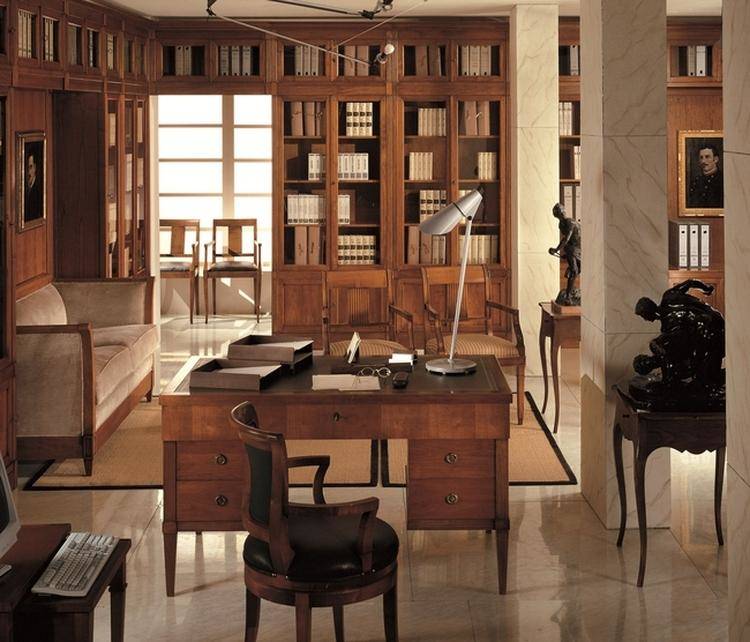
Born in 19th-century Europe, Biedermeier decor embodies a style where simplicity and functionality blend with elegant aesthetics. While it originated in post-Napoleonic Germany and Austria, this approach continues to appeal, influencing modern furniture and design.
The origins of the Biedermeier style: between modesty and refinement
The Biedermeier movement emerged between 1815 and 1848, a period marked by a return to stability after the Napoleonic Wars. In contrast to the aristocratic opulence of the Empire period, this style responded to the aspirations of a rapidly expanding middle class. Functionality and simplicity became the watchwords, reflecting a desire for comfort and practicality.
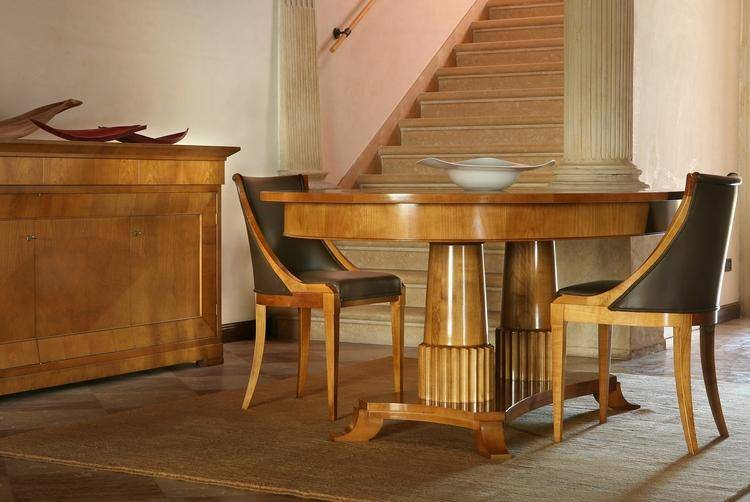
Biedermeier furniture is characterized by clean lines and local materials such as walnut, maple, and birch. Ornamentation is kept to a minimum, favoring discreet inlays and polished surfaces that highlight the natural beauty of the wood. A warm and accessible style, perfect for interiors where everyday living takes precedence over presentation.
A lasting influence on modern design
The Biedermeier style, with its simplicity and functionality, foreshadowed the modernist trends of the 20th century, particularly the Bauhaus movement. Simple geometric lines and an emphasis on functionality are principles that still resonate in contemporary design.
Scandinavian designers, for example, draw heavily on this heritage. The creations of brands such as Carl Hansen & Søn and Fritz Hansen reflect this philosophy, where each piece of furniture is designed to be both functional and aesthetic. Similarly, modern designs in light wood, now highly sought after, are reminiscent of the typical material choices of the Biedermeier period.
The return of Biedermeier in contemporary interior design
Today, interest in Biedermeier interiors is enjoying a renaissance, driven by a growing taste for vintage furniture and respect for traditional craftsmanship. Authentic pieces are sought after by collectors, but numerous modern reproductions, often handmade, make it possible to recreate this timeless spirit in contemporary interiors.

How can you incorporate Biedermeier style into your home?
- Elegant yet understated furniture: Opt for dressers, writing desks, or chairs with rounded, clean lines. These pieces blend well with contemporary spaces, thanks in particular to their discreet aesthetic.
- Warm color palette: Opt for natural shades such as beige, brown, or ochre, which highlight the texture of the wood.
- Delicate accessories: Textiles, such as cushions or curtains with simple floral patterns, as well as Persian rugs, harmoniously complement the style.
A lesson in timelessness for today's design
Biedermeier is not confined to museums or historic interiors. Its focus on simplicity and comfort continues to inspire contemporary designers. This style proves that modesty is never at odds with elegance, offering designs that transcend time while remaining relevant.
By choosing to incorporate Biedermeier elements into your interior design, you are opting for a style that combines the past with modernity, while celebrating craftsmanship and attention to detail. More than just a trend, Biedermeier is a timeless and universal design philosophy.