
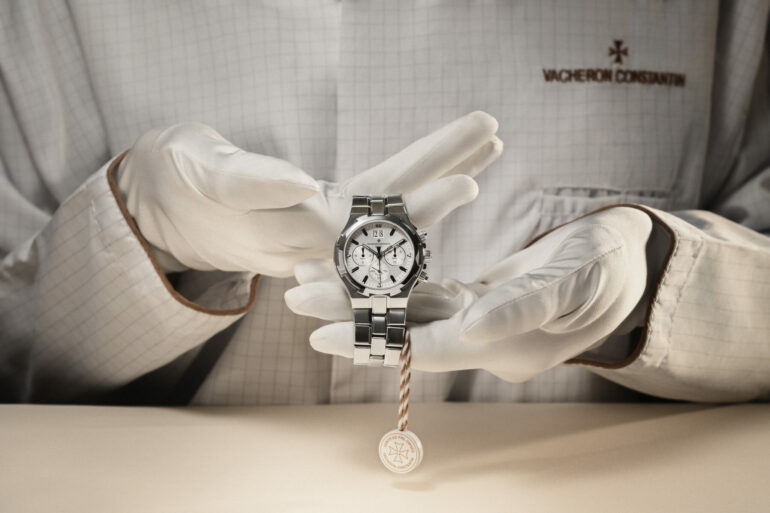
The pre-owned watch market is undergoing a transformation and, according to Deloitte, could rival the market for new watches within a decade. Although the post-Covid price surge has subsided, returning to more "healthy" price levels, Deloitte still anticipates a sharp increase in volumes. This development reflects a real revolution in the way consumers perceive and consume luxury watches.
Growth driven by changing attitudes
Between 2020 and 2024, the number of consumers willing to buy a second-hand watch doubled. This paradigm shift reflects a quest for authenticity and technical excellence, but also a growing appeal for vintage and neo-vintage models, which embody history and craftsmanship.
Today, one in five buyers considers purchasing a watch—whether new or pre-owned—to be an investment. This trend is particularly pronounced among younger generations, who have a strong appetite for unisex and timeless models. Generation Z, in search of meaning and sustainability, is at the heart of this phenomenon. Would you like to invest too? We recommend reading our investment guide so you don't get lost in the intricacies of this complex sector.

The rise of certifications
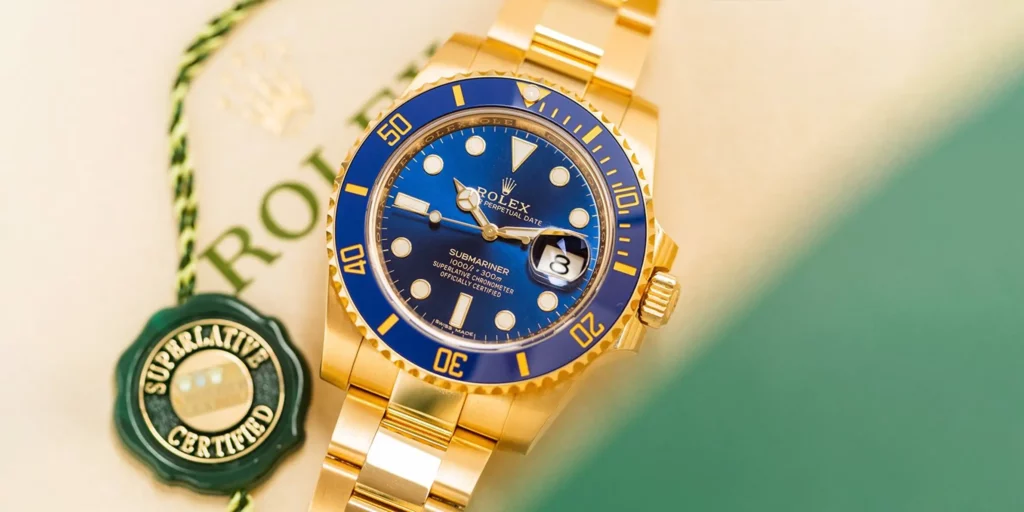
Faced with this explosion in demand, trust has become a key issue. Certified Pre-Owned (CPO) watch certification programs provide buyers with essential guarantees: thorough inspection, rigorous maintenance, and authentication by experts, whether independent or affiliated with major watchmakers.
Many watch brands have understood the strategic importance of this segment and are stepping up their efforts: creating dedicated departments, partnering with specialized platforms, and even launching their own certified resale activities, as Rolex has done with a network of official second-hand retailers.
A mixed economic climate
However, this dynamism in the second-hand market contrasts with the situation in the primary market. Swiss watch exports fell by 2.7% between January and November 2024, mainly due to slowing demand in China. This situation is further encouraging players to invest in the second-hand market, which is seen as a strategic growth driver.