
Make Texture a preferred source on Google to support us
Add Texture to GoogleThe 2023 edition of Frieze New York surprises with its focus on a global and reflective vision of contemporary art, eschewing spectacle in favor of discerning curation. Combining geographic diversity, a Latin American focus, and innovative conceptual works, the event reaffirms its status as a must-attend event for art lovers and collectors.
A fair that has become a true barometer
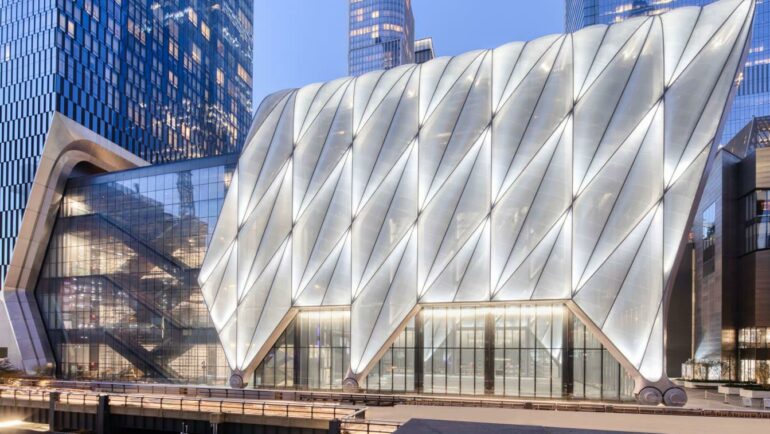
According to The New York Times, Frieze New York has taken up residence at The Shed, in the ultra-contemporary shadow of Hudson Yards, with the ambition of offering an almost exhaustive overview of current artistic creation. The fair no longer seeks to dazzle at all costs. Instead, it prioritizes a thoughtful curation, combining solid pictorial works, formal brilliance, and a few lighter touches. It is a true synthesis, far more than a frantic quest for pure revelation.
This edition brings together 65 galleries from 26 countries, reflecting the event’s international scope. While certain rumors reported by Artsy suggested different projected figures for the coming years, the density and high standards of this year’s lineup remain its greatest assets.
Spotlight on the Latin American scene
The presence of South American galleries is particularly striking at this edition. The Brazilian gallery Nara Roesler, for example, orchestrates a subtle dialogue between Jonathas de Andrade and Marcelo Silveira. This two-voice collaboration brings a welcome dimension to an ecosystem where exhibition designs sometimes tend toward a certain uniformity.
Argentine artist David Lamelas’s film installation follows in this same vein. Here, Frieze reminds us that a fair of this caliber transcends a mere commercial showcase: it acts as a true echo chamber, allowing conceptual practices to reach a broader and curious audience.
Sharp curation and artistic brilliance
In the aisles, certain works inevitably catch the eye. The Hales Gallery booth gives Virginia Jaramillo a prominent spot, while Ortuzar and Marc Selwyn Fine Art showcase the work of Akinsanya Kambon. For its part, Thaddaeus Ropac is exhibiting a pair of oven mitts by Marcel Duchamp. This detail, bordering on the absurd, speaks volumes about the spirit of the event: art history today readily engages with the repurposed and offbeat object.
Other spaces stand out for their high standards, such as Victoria Miro, Perrotin, Southern Guild, Karma, and A Gentil Carioca. White Cube, for its part, presents an impressive lineup of artists, ranging from Tracey Emin to Doris Salcedo, including Beatriz Milhazes and Marina Rheingantz. A list that confirms an unapologetic appetite for museum-caliber artists, even when the exhibition design strives to soften the commercial logic.
Contemporary art, between market and memory
Frieze New York remains true to its DNA: a vast panorama of contemporary creation, artfully dotted with rough edges. The dialogue between painting, sculpture, film, and unique objects confirms that the stakes go beyond mere revenue. These events actively help shape an immediate memory, crystallizing the aesthetic taste of an era.
This edition’s selection favors accessible works, often of great elegance, sometimes delightfully irreverent. Far from being a weakness, this approach reflects the maturity of today’s market: reassuring the eye without boring it, surprising without jarring it. A particularly masterful balancing act in a climate where standing out is a constant challenge.