
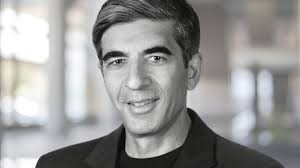
Kering has appointed Gianfranco D’Attis, former CEO of Prada, as CEO of the British luxury brand Alexander McQueen, which is currently facing difficulties, the group announced in a press release. The appointment takes effect today, and he will report to the group’s CEO, Luca de Meo.
An experienced leader to tackle new challenges
Gianfranco D’Attis brings with him more than 25 years of international experience in the luxury sector. In addition to his role as CEO of Prada, he previously held senior management positions at LVMH and Richemont in Asia, the Americas, and Europe. His arrival at the helm of the Alexander McQueen brand represents a new challenge for the executive, given that the label is facing a decline in sales that has led to restructuring and several layoffs. “Alexander McQueen is entering a new phase focused on strengthening its distinctive positioning, supported by a more agile and disciplined model built around targeted collections, a streamlined retail network, and a simplified organization,” Kering stated in a press release.
A new strategy for growth and profitability
In this context, the group explains, Gianfranco D’Attis will lead the House’s next phase of development with a clear objective: to strengthen the brand’s visibility, elevate the level of execution, and improve financial performance. Luca de Meo said: “I am delighted to welcome Gianfranco to Kering. He brings with him a powerful combination of strategic vision, operational rigor, and deep expertise in luxury. His ability to refine the brand’s identity while driving disciplined execution will be critical as we refocus Alexander McQueen and unlock its full potential.”
Restructuring and Layoffs in Italy
Staff reductions recently led to a strike at the group’s Italian sites linked to McQueen. In recent days, following a meeting with the ministry on Thursday, May 28, a reduction in the number of layoffs was announced: the total number of jobs cut has been reduced from 54 to 35 across the three sites in Novara, Parabiago, and Scandicci.