
Drastically reduced losses and a goal of breaking even
The intensive turnaround and recovery plan led by Benetton Group CEO Claudio Sforza is beginning to bear fruit. In 2025, the Ponzano Veneto-based company limited its deficit to 33 million euros, reducing its losses by 65% compared to the 100 million euros recorded in 2024 and by more than 85% compared to the 230 million euros in 2023. As reported by the Ansa news agency, the group can thus aim for financial break-even as early as this year, while keeping a close eye on the macroeconomic situation, including the conflict in the Middle East and its potential repercussions in terms of inflation, rising costs, and a decline in consumer spending.
Network rationalization and controlled decline in revenue
Cost control has also resulted in a streamlining of the distribution network, with the optimization of unprofitable company-owned stores and the termination of relationships with insolvent partners in the indirect channel. This approach, combined with the general difficulties facing the textile and fashion sector, contributed to a further reduction in revenue, which had already fallen below the €1 billion mark in 2024 (€915 million, to be precise). In 2025, sales stood at just under 800 million euros, marking a decline of more than ten percentage points.
Debt Reduction and Governance Overhaul
As Il Sole 24 Ore points out, the improvement in the Benetton Group’s financials allowed it to free up 90 million euros of the 240 million euros in liquidity made available by the parent company, Edizione. Edizione supported the group by ensuring its continuity during the most difficult times, particularly in 2024 when Luciano Benetton announced he was stepping down as group chairman and a loss of 230 million for 2023 was anticipated. Progress in fiscal year 2025 was also evident on the debt front: the net financial position, including the effects of applying IFRS 16, improved by approximately 100 million euros, falling from 411 million in 2024 to 313 million at the end of 2025. These results are the outcome of a recovery plan designed to strengthen the Group’s competitiveness through a series of targeted measures. First, a corporate governance overhaul was launched. Operational since January 2026, it aims to enhance efficiency, increase management transparency, optimize asset value, and create conditions conducive to targeted industrial partnerships.

New logistics joint venture with Poste Italiane
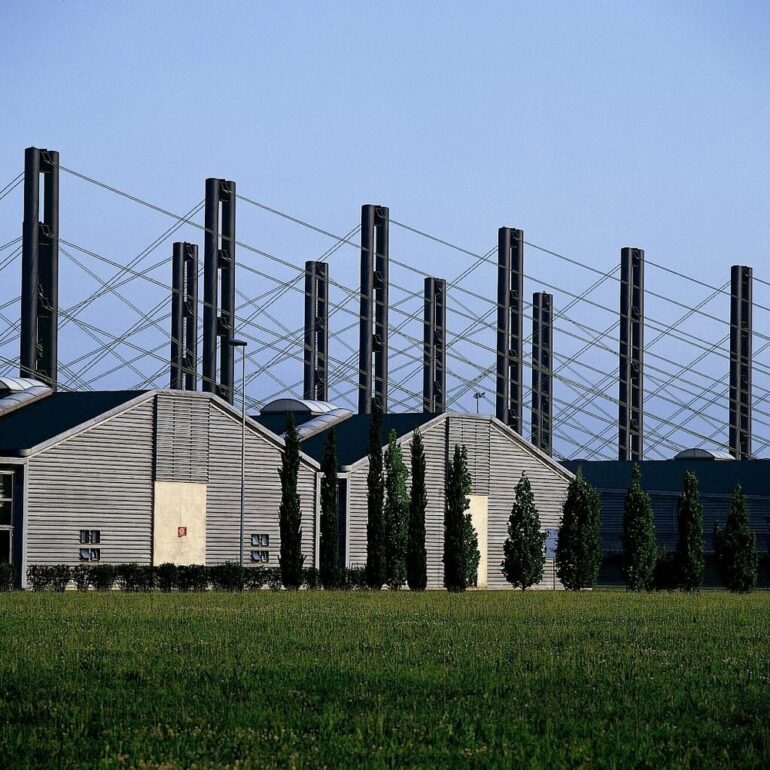
The first partnership, announced in recent weeks, was established with Poste Italiane for Poste Logistics to acquire a stake in Benetton Logistics, a spin-off of Benetton. The transaction gave rise to Logistic 360, 51% owned by Poste and 49% by the Benetton Group. It enables the development of the Castrette di Villorba facility, in the province of Treviso, transforming it into one of Europe’s most advanced hubs for fashion logistics management. This center is also open to new product sectors, thanks in particular to an increase in its operational capacity. It is already capable of handling 30 million garments across a total area of approximately 400,000 square meters, 100,000 of which are equipped with automated systems.
An optimized global distribution network
As mentioned earlier, Benetton has also worked to control costs and streamline its distribution network. While maintaining stores as central assets, the network has been made more agile and efficient. Following this reorganization, it now comprises approximately 2,700 retail locations worldwide, with a presence in nearly 80 countries.
Product agility, supply chain, and new collaborations
On the product side as well, CEO Sforza’s approach has brought a host of innovations by reducing collection development and production lead times. This targeted initiative aims to make the company more responsive and competitive, enabling it to adapt quickly to market trends and consumer expectations. In the supply chain sector, a comprehensive plan to streamline in-house production sites was launched. The goal is to shift toward a sourcing model capable of significantly impacting costs, relying on a network of high-quality specialized suppliers. The group then launched an initial series of development initiatives aimed at testing their market impact, particularly through targeted partnerships. This is the context for the recent collaboration with Netflix, which led to the creation of collections inspired by the platform’s iconic content and titles, such as the famous series Stranger Things, as well as the relaunch of Jean’s West, a brand founded in 1974 and historically associated with denim and Western aesthetics.