
Make Texture a preferred source on Google to support us
Add Texture to GoogleIn 2026, interior design is shifting toward a human-centered approach, blending tactile materials, organic forms, and personal storytelling to emphasize authenticity and emotional comfort.
A Human-Centered Movement
According to CreativeHomeX, the year 2026 marks not so much the imposition of a single style as the emergence of a resolutely “human-centered” design, where function takes precedence over aesthetics. Interiors seek to reflect the identity and daily rhythms of their occupants, prioritizing emotion, memory, and practicality over aesthetic conformity.
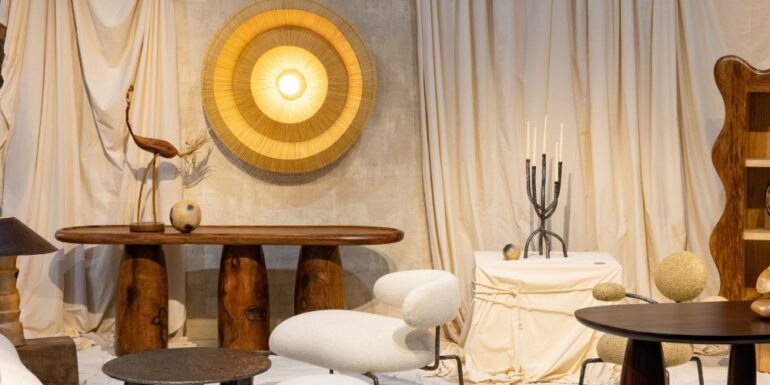
Tactile materials are emerging as the primary driver of this evolution. CreativeHomeX highlights looped fabrics, velvet, linen, and rough-hewn stone to introduce warmth and depth. For its part, MonMeubleSurMesure emphasizes the role of solid wood—light or dark oak—and crafted metals, particularly powder-coated metal and hand-patinated steel, to bring authenticity and durability. These choices reflect a preference for tangible, sensory objects.
Organic Shapes and Enveloping Comfort
The return to curves and silhouettes inspired by the 1970s is very much real. CreativeHomeX notes the resurgence of rounded sofas and sculptural chairs. MeublezVous emphasizes “cloud-like” comfort, with generous seating and soft lines that create a welcoming atmosphere. Comfort and ergonomics are becoming design criteria on par with aesthetics.
Color is no longer merely a fashion statement but has become a tool for setting the mood. CreativeHomeX observes deep color palettes that evolve throughout the day. AD Magazine confirms the rise of saturated hues, paired with natural materials like wood or linen, to balance intensity and warmth. At the same time, bold textiles are making a comeback to enliven furniture and tell a personal story.
Dark finishes are gaining ground. According to CreativeHomeX, walnut and smoked oak remain popular, often enhanced with lacquer or glossy varnish to add depth and intimacy. MonMeubleSurMesure and MeublezVous add to this trend by noting the growing use of black metal and ceramic—materials that balance the warmth of wood with their clean, crisp lines.
Craftsmanship and Pieces with Character
The preference for well-crafted furniture continues to grow. CreativeHomeX notes that pieces showcasing visible craftsmanship are valued over standardized collections. Le Journal de la Maison highlights the rise of textured and imperfect walls, inspired by Japandi and wabi-sabi, which extend this aesthetic of craftsmanship and lived-in charm. Beauty is now found in embraced imperfection.

The fragmentation of coordinated sets is giving way to compositions that blend the old and the new. CreativeHomeX and AD Magazine emphasize the acceptance of diverse aesthetics, often rich with cultural references. Wallsauce illustrates this phenomenon through the return of tropical prints and vintage patterns, paired with rattan or antique wood furniture, to create spaces that tell a story.
What This Means for the Market and Design
Industry data shows increased demand for custom furniture and sustainable products, according to consumer trends reported by trade publications. Manufacturers and retailers are shifting their offerings toward sturdy pieces that showcase grain, stitching, and patina. Perceived value is shifting toward authenticity rather than fleeting novelty.
This shift is part of a history of taste that embraces elegant contradictions: contemporary ergonomics meets artisanal heritage; subtle luxury coexists with the circular economy. Design history and influences such as Japandi and wabi-sabi explain this refocus on the human element. According to CreativeHomeX and Le Journal de la Maison, this is both an aesthetic and moral choice, reflecting a desire for meaning in the domestic space.
The trends of 2026 are shaping interiors that breathe. Less catalog, more character; less uniformity, more storytelling. With tactile materials, enveloping curves, emotional colors, and meticulously crafted furniture, the home is once again becoming a place where we recognize ourselves and find comfort. Design professionals will need to respond to this quest for authenticity with sustainable, technically sound, and sensitive solutions.