

Make Texture a preferred source on Google to support us
Add Texture to GoogleIn the refined world of watchmaking, vintage watches have always held a special fascination. They embody a bygone era, time-honored craftsmanship, and timeless elegance that, like fine wine, improves with age. However, the quest for authenticity can be complex, fraught with pitfalls and false promises. In this article, we’ll guide you through the nuances and subtleties of the world of vintage watches to help you make informed and discerning choices.
Understanding the Importance of Provenance
A vintage watch’s provenance* is paramount. This includes the watch’s complete history, ideally accompanied by original documents such as warranty certificates, purchase receipts, and the original boxes. In the absence of these valuable records, it’s crucial to be able to trace the watch’s history through its successive owners.
A word of advice: If possible, obtain a provenance verified by an independent expert. This will not only enhance the watch’s value but also give you peace of mind.
Examine the Dial Carefully
The dial is often the first element to examine closely when appraising a vintage watch. An original dial can be recognized by subtle clues such as:
– The absence of perfect uniformity: slight discoloration or signs of age
can attest to its authenticity, as they reflect the passage of time.
– The finesse of the lettering and engravings: The inscriptions should be crisp, without smudges or variations in color.
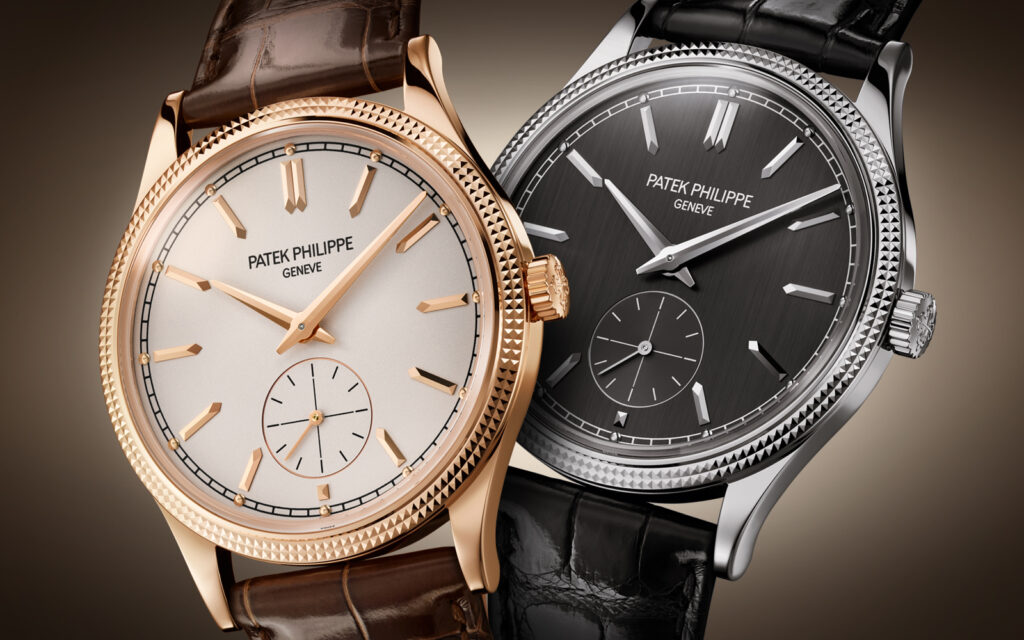
However, it is common to see dials that have been restored or even completely rebuilt. While this isn’t necessarily a bad thing, it’s essential to know this in order to properly assess the watch’s value. Savvy connoisseurs always prefer an original condition over a brand-new but artificial appearance.
Carefully Analyzing the Movement
The movement, or internal mechanism, is the beating heart of any watch. To determine its authenticity, three elements must be examined (by a professional, of course):
- Identifying the caliber: Ensure that the caliber matches what is expected for the watch’s model and year.
- Markings and stamps: Look for signatures and stamps on the movement that attest to its true origin.
- Condition of wear: An authentic movement may show moderate signs of natural wear. New or rebuilt components may indicate unorthodox repairs.
Check hallmarks and inscriptions
Hallmarks and inscriptions on the case, the watch back, and sometimes even on the bracelet are highly significant indicators. These distinctive marks, often engraved by the manufacturer, can provide valuable details:
- The serial number: It must match the watchmaker’s records.
- Hallmarks: These are quality control marks that certify the quality of the precious metals used.
Furthermore, it should be noted that some counterfeiters may go so far as to reproduce these engravings. Hence the importance of always cross-referencing this information with official records and historical knowledge about the watchmaker.
Consider the Overall Condition and Restorations
The natural patina of a vintage watch is one of its main charms. However, certain restorations may be necessary to ensure the watch’s functionality. The question is whether these restorations were carried out with respect and authenticity.
Expert tip:
Opt for restorations performed by artisans certified by the parent company or recognized within the industry for their expertise
. A poorly executed repair can not only diminish the watch’s value but also alter its overall appearance.
Consult Experts
Finally, it is wise to consult renowned experts in the field of vintage watches before finalizing your purchase, especially for high-value pieces from major brands such as Rolex, Audemars Piguet, Vacheron Constantin, or Patek Philippe. Specialized auction houses and renowned watchmakers can provide an impartial and detailed appraisal.