
Make Texture a preferred source on Google to support us
Add Texture to GoogleDespite an uncertain economic climate, fine watchmaking is showing remarkable resilience. Driven by the boom in the secondary market, the enthusiasm of younger generations, and the incorporation of cutting-edge materials, the industry continues to evolve while navigating its own regional vulnerabilities.
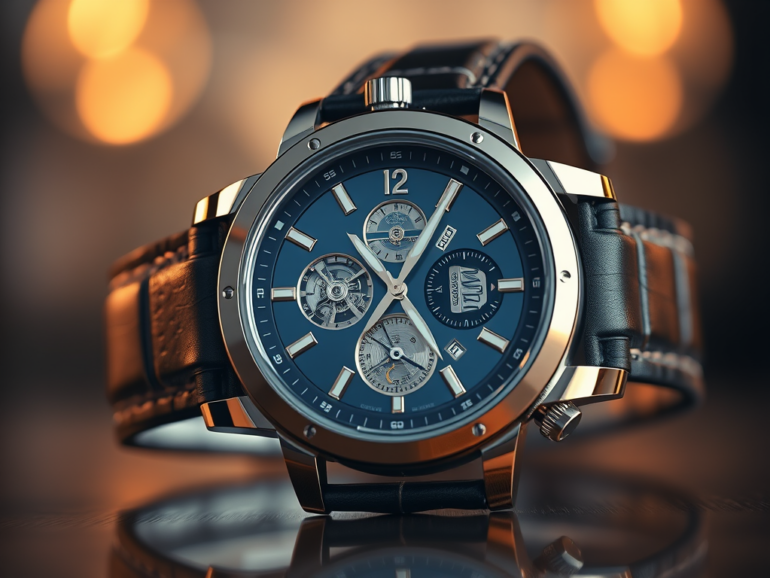
In the world of mechanical watches, there lies a delightful paradox: this timepiece, whose primary function is to tell the time, is 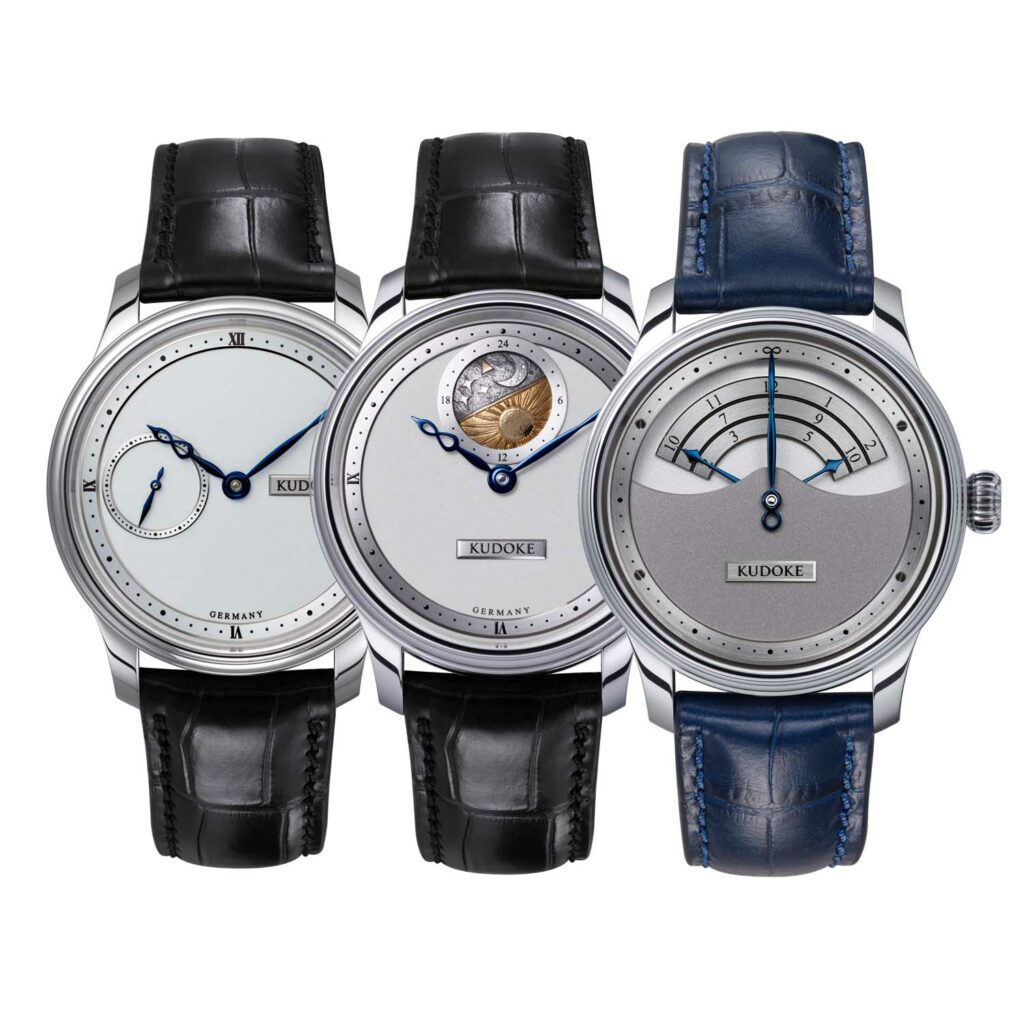 now capturing unprecedented attention. This contradiction underscores the profound transformation of the luxury watch industry, at the crossroads of a reverence for craftsmanship, the pursuit of tangible assets, and changing purchasing behaviors.
Unwavering Growth Momentum
While financial projections vary, they all agree on an upward trajectory. According to Mordor Intelligence, the global luxury watch market is expected to reach nearly $80 billion by 2025, with a projected value of $114 billion by 2031. Other research firms, such as Business Research Insights and Global Growth Insights, offer estimates that vary depending on whether watchmaking is included within the broader “hard luxury” category. Beyond methodological debates, these figures reflect the segment’s undeniable vitality and its global redefinition.
A work of art and a financial asset in one
The paradigm has shifted: the watch has moved beyond its strictly utilitarian purpose to take on a cultural and heritage dimension. Record-breaking auctions and the deliberate scarcity of certain historic models are accelerating this phenomenon. Faced with valuations that are sometimes spectacular, specialized funds and family offices now view timepieces as a distinct asset class in their own right. The structuring of the secondary market—driven by official certification programs and rigorously monitored platforms—is proving crucial to reassuring collectors and curbing the risk of counterfeiting.
The Influence of New Generations
Millennials and Generation Z are reshaping the customer journey. Their approach is eminently digital and well-researched: before making a purchase, online research delves into the movements, the origin of materials, and the manufacturer’s heritage. Social media amplifies this desirability: when a public figure wears a specific model, it’s enough to ignite demand on the gray market. Faced with this volatility, luxury houses use limited editions as a strategic tool, cultivating the illusion of scarcity while building an exclusive community.
Material Innovation and Environmental Consciousness
Technological innovation pushes the boundaries of engineering without compromising the aesthetic appeal of the timepieces. Whether through forged carbon, proprietary alloys, or high-tech ceramics, manufacturers compete in boldness to lighten case weights while maximizing their durability. This technical feat goes hand in hand with a reevaluation of ethical values. Supply chain transparency and sustainability are gradually emerging as decisive selection criteria for a clientele that is increasingly demanding when it comes to environmental responsibility.
The Appeal of Vintage and Pre-Owned Watches
The watchmaking ecosystem derives part of its stability from the dynamism of the certified resale market and the craze for vintage watches. The growing involvement of major watchmakers in the pre-owned market allows them to shape the desirability of their archives while maintaining control over their value. At the same time, purists maintain a feverish demand for historic pieces, which are the true driving forces behind major international auctions.

Polarization and Geographical Rebalancing
Although the Asia-Pacific region remains the sector’s financial engine, driven by China, Japan, Singapore, and India, a sector-by-sector analysis reveals the vulnerabilities of this dependence. In 2024, the decline in Chinese consumption automatically slowed Swiss exports, exacerbating an already palpable polarization. In this context, only the most prestigious houses captured the bulk of the growth, demonstrating that the ultra-luxury segment is better able to withstand economic turbulence, even at low volumes.
The Hegemony of Conglomerates vs. the Rise of Independents
While the watchmaking industry remains largely concentrated in the hands of powerful conglomerates such as LVMH, Richemont, and the Swatch Group, independent watchmakers are experiencing a true golden age. Their unique creations—whether niche grand complications or radical designs—appeal to collectors seeking absolute exclusivity. Backed by highly engaged online communities of enthusiasts, these workshops are succeeding in positioning their micro-series at the pinnacle of watchmaking desire.
Passion Over Speculation
The notion that a mechanical watch is a foolproof investment must be qualified. While capital appreciation is a reality for a handful of highly coveted models, price fluctuations remain dictated by rarity, condition, and the volatility of demand. A purely speculative approach carries its own risks: the golden rule of any purchase remains aesthetic pleasure and a deep appreciation for craftsmanship. The heritage aspect should be viewed only as a welcome bonus, never as a certainty.
Ultimately, fine watchmaking derives its current allure from this delicate balance between respect for tradition and the intelligence to adapt. It perpetuates a craft of the highest order, giving rise to an object that is both tangible and timeless—one that outlasts passing fads. In this increasingly professionalized market, where stylistic boldness, a quest for meaning, and material innovations converge, the luxury timepiece brilliantly demonstrates that it has never been more contemporary.