
Make Texture a preferred source on Google to support us
Add Texture to GoogleThe city of Guayaquil is inaugurating its very first permanent art gallery, a unique setting designed to showcase the carefully guarded treasures from its collections. Through a display that is both chronological and conceptual, this new space highlights the vibrancy and evolution of the local art scene, from the dawn of the 19th century through the 1970s.
A Showcase Born from the Collections
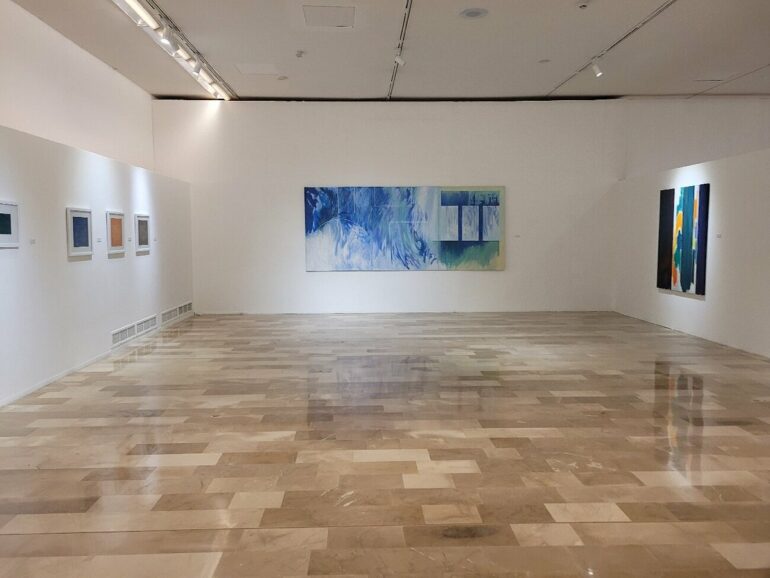
This permanent gallery opened its doors in June 2026 in the heart of Guayaquil, finding a home within the majestic José Joaquín de Olmedo Cultural Center, the former building of the iconic Club de la Unión. According to the municipality’s official website and the daily newspaper El Diario, the exhibition features 61 works carefully selected from the institution’s technical collection. (eldiario.ec)
The concept is one of elegant simplicity: to bring these masterpieces into the spotlight while ensuring their absolute preservation. The exhibition design was custom-crafted to offer a unique view of pieces previously kept out of public view, under optimal climate and lighting conditions. This prestigious collection consists mainly of paintings, watercolors, oil paintings, caricatures, and sculptures, all carefully selected by the institution. (guayaquil.gob.ec)
A Fresh Perspective on Local Modernity
The exhibition invites visitors on a temporal and conceptual journey, structured around three major sections punctuated by two transitional spaces. This visual journey traces the artistic history from the late 19th century to the vibrant 1970s. For the municipality, this curatorial framework captures the essence of local modern art, a direct reflection of the profound cultural shifts that have shaped the city. (guayaquil.gob.ec)
Artistic direction was entrusted to Saidel Brito, a renowned artist and Ph.D. in art history, who conceived this project as the culmination of four years of in-depth research. The city has hailed this initiative as a decisive turning point in Guayaquil’s cultural influence and management. (guayaquil.gob.ec)
On the gallery walls, works by iconic artists such as Bolívár Peñafiel, Oswaldo Guayasamín, Yela Loffredo, and Eduardo Solá Franco engage in a dialogue with historical pieces from the municipal collection, powerfully illustrating the early stages of local modernism. (eluniverso.com)
Architectural Heritage and Cultural Democratization
Designed as a true catalyst for cultural openness, this space aims to be accessible and unifying. During the opening reception, accompanied by the music of a quartet from the Municipal Philharmonic Orchestra, Councilwoman Blanca López emphasized the critical importance of making this heritage accessible to as many people as possible. The exhibition will also be enriched by a dedicated library, bringing together historical works, coffee-table books, and valuable archival documents that trace Guayaquil’s visual history. (guayaquil.gob.ec)
The building itself is steeped in history. As El Universo notes, this architectural gem, built between 1939 and 1944 by architect José Antonio Gómez Gault, once housed the very fashionable Club de la Unión, founded in 1869. Its walls thus resonate with a rich social history as much as an aesthetic one. (eluniverso.com)
Founded in 1908, the Guayaquil Municipal Museum is celebrating 116 years of commitment to heritage conservation. Located on Sucre Street, between Chile and Pedro Carbo avenues, it attracts nearly 40,000 visitors each year from Ecuador and beyond. While the institution already stands out for its permanent collections—ranging from pre-Hispanic history to sacred and contemporary art—this new wing completes this vast cultural panorama. (web.guayaquil.gob.ec)
However, a museum only reveals its true spirit when it is brought to life by its visitors. With this unique gallery, Guayaquil has successfully transformed a dormant legacy into a living, vibrant, and truly shared cultural heritage. (guayaquil.gob.ec)