
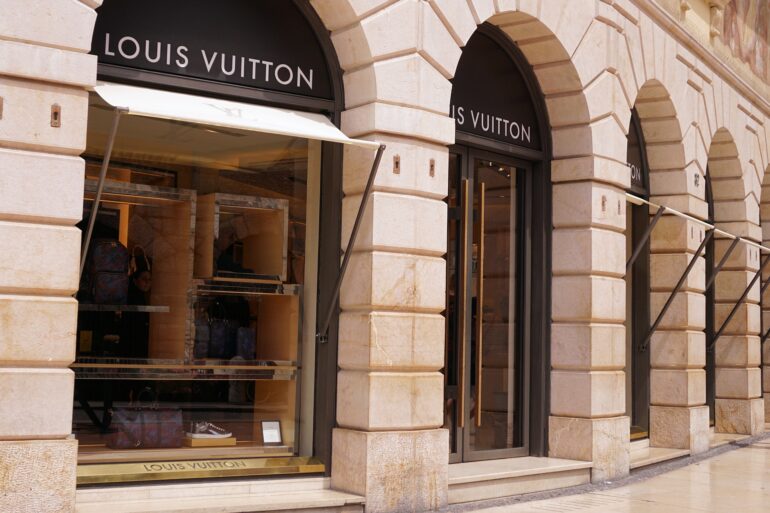
In the face of geopolitical and economic challenges, LVMH is strengthening its global presence through strategic investments in the United States and India, while navigating volatile financial markets.
The luxury empire weathering global upheavals
LVMH is asserting itself more than ever as the undisputed leader of the sector, bringing together some 40 prestigious houses across fashion, wines and spirits, perfumery, watchmaking, and selective retail. With a presence in over 70 countries and drawing on the talents of nearly 215,000 employees, the group led by Bernard Arnault since 1989 has established a dominance that is both historic and industrial. The depth of its portfolio and the exceptional reach of its brands provide a strong shield against the ups and downs of the global economy.
Market Turbulence and Financial Resilience
The start of 2026 was marked by some pressure on the markets, a natural development given the current climate. Rising geopolitical tensions and a slight cooling of demand in key regions have had a direct impact on business dynamics. The situation in the Middle East, for example, is affecting consumption in the Gulf countries, prompting analysts to cautiously adjust their stock market projections. Attention is now turning to upcoming quarterly results, which will help determine whether this shift is merely a temporary fluctuation or the beginning of a transition phase for the luxury industry.

Diversification and Synergies: LVMH’s Strength
The group’s revenue structure rests on solid strategic pillars. The Fashion and Leather Goods segment, led by flagship brands such as Louis Vuitton and Dior, acts as a true growth engine, posting remarkable margins and strong valuation potential. At the same time, the wines and spirits segment, driven by Moët, Hennessy, and Dom Pérignon, is capitalizing on a structural trend toward premiumization. Finally, selective retail, with Sephora at the forefront, remains a key channel for commercial innovation. This hyper-diversification across sectors skillfully limits the Group’s vulnerability by ensuring it is never exposed solely to the health of any single division.
From India to the Americas: New Strategic Horizons
All eyes are inevitably turning to India, a market with colossal potential where a new clientele eager for ultra-luxury products is emerging. Physical expansion there is, however, hampered by a lack of retail spaces meeting luxury standards, prompting LVMH to reinvent its distribution formats. In the Americas, the strategy is exemplified by the desire to expand local production, notably with plans for a new manufacturing facility in Texas by 2027. This initiative aims to safeguard against external commercial risks while forging a close connection with the vast North American market.
The Challenges Ahead: Geopolitics, Competition, and Sustainability
Despite its dominance, the group operates within a complex global ecosystem. Dependence on certain Asian markets, geopolitical volatility, rising raw material costs, and intense competition from the Kering and Richemont groups are all daily challenges to be addressed. Furthermore, new regulations focused on sustainability and price transparency require continuous adaptation. The group’s international appeal, which strongly attracts investors from every continent, will depend on its ability to integrate these challenges while maintaining highly profitable investments. While a degree of caution is warranted in the short term given the global economic outlook, the momentum of the high-end luxury sector retains its undeniable allure and its prominent position among elite industries.