
Make Texture a preferred source on Google to support us
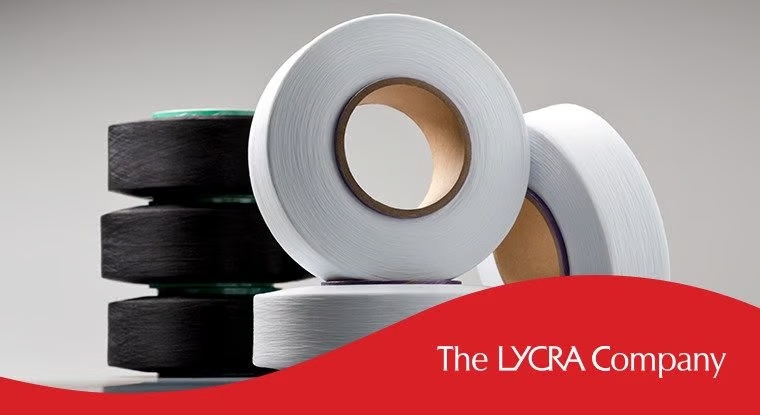
Add Texture to GoogleThe Lycra Company is entering a restructuring phase to pay off its $1.2 billion (approximately one billion euros) debt by filing for Chapter 11 bankruptcy protection. The company, which specializes in developing fibers and fabrics for the textile and apparel industries, is currently implementing a plan that—according to the company—has the support of a very large majority of its creditors. The plan calls for “the process to proceed in an orderly and expeditious manner, with an exit from Chapter 11 within 45 days on a stronger financial footing, with reduced debt and a better financial position to reach its potential.”
Turning the Page on Chinese Liabilities
Chapter 11 is a provision of U.S. bankruptcy law (incorporated into the United States Code
) that allows companies in financial distress to restructure their debts without ceasing operations, similar to safeguard or judicial reorganization proceedings in France. In this context, the goal of the Wilmington, Delaware-based company is to close the chapter on the debt inherited from the period when it operated under Chinese ownership.
The Lycra Company
had been acquired in 2019 by the Chinese textile group Shandong Ruyi Textile
for $2.6 billion. However, the company was unable to repay a $400 million loan, which ultimately led to it falling into the hands of its creditors in 2022.
A Technical Fabrics Market That Remains Promising
Against this backdrop, the business environment remains challenging for the company: it faces tariffs, intensifying competition (particularly from low-cost producers), declining demand, as well as supply chain disruptions and inflationary pressures. However, viewed as a whole, the market for spandex (elastane) and technical fabrics remains in excellent health: in 2025, it totaled 1.41 million metric tons, with a value of $7.27 billion. This figure is estimated to rise to $11.62 billion by 2032.