
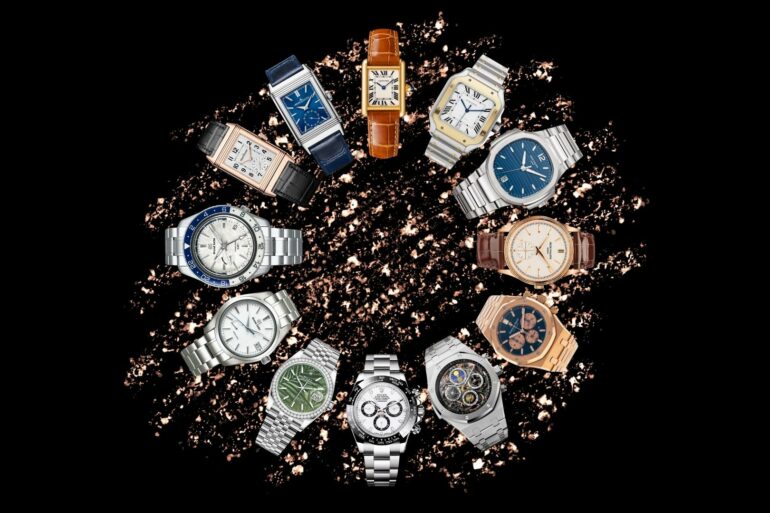
Make Texture a preferred source on Google to support us
Add Texture to GoogleThe world of vintage luxury watches is a passion steeped in elegance and sophistication. However, investing in these timepieces is more than just a simple purchase. It requires meticulous care, a deep understanding, and a discerning eye. Let’s explore together the subtleties of this exceptional world.
Understanding the Value of Vintage Watches
First and foremost, it is essential to understand the value of vintage luxury watches. These pieces are not merely timepieces, but heritage artifacts. Their value is based on criteria such as rarity, brand, condition, and the unique history of each piece. A Patek Philippe from the 1950s, for example, can be worth a small fortune if it’s in perfect condition.
To avoid costly mistakes, it’s essential to educate yourself on the subject. Consult experts, take specialized online courses, and read reference books and articles. Collectors’ forums are also a treasure trove of valuable information, and they’re often very active—like this one. Within these communities, it’s worth noting that experts often share their knowledge and tips for spotting good deals.
Distinguishing Originals from Counterfeits
The vintage luxury watch market is also rife with counterfeits. Many counterfeiters attempt to replicate iconic models to deceive unsuspecting buyers. Carefully examining each watch is therefore crucial. Elements such as serial numbers, original movements, and engraved markings must be authenticated by an expert. Obviously, the most well-known and modern models are the most likely to be counterfeited. This is less true for older models, particularly the smaller ones, which have been making a strong comeback recently.
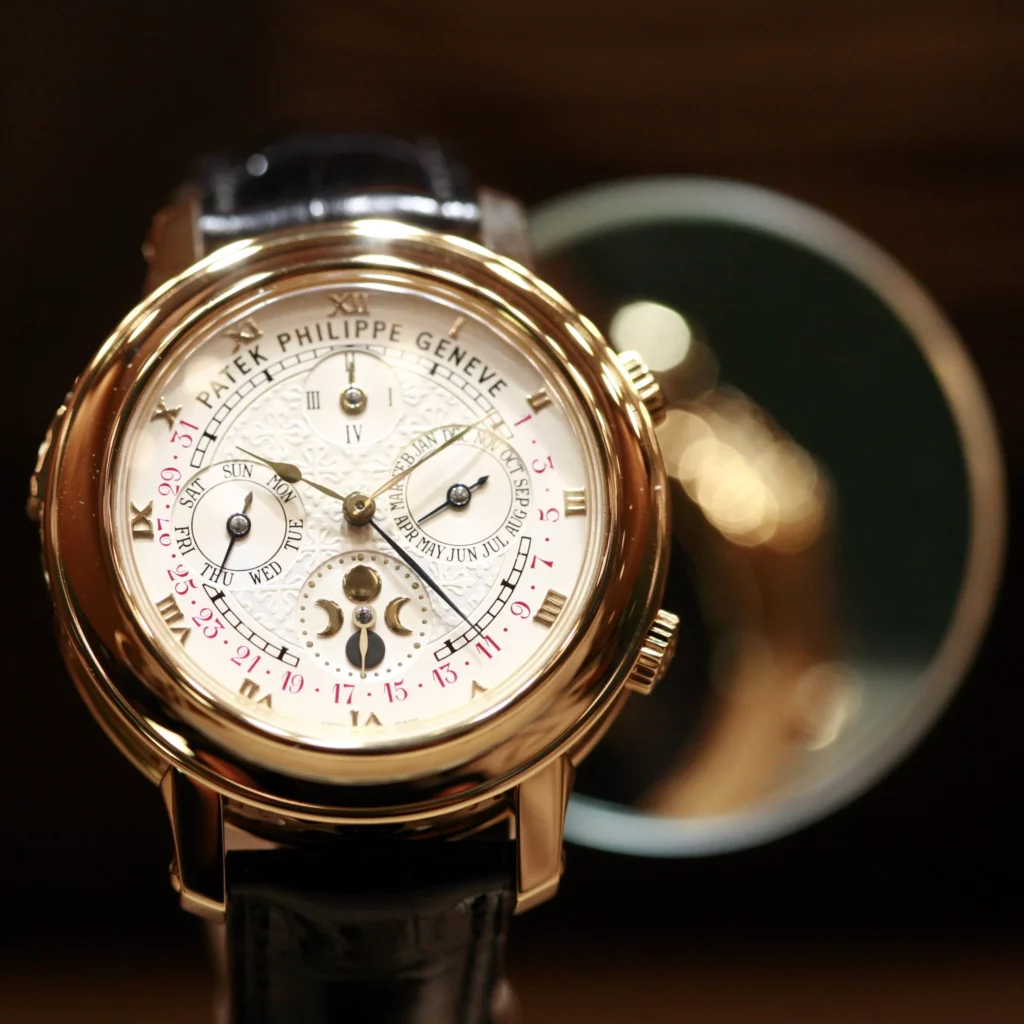
Certain brands and models stand out for their profitability and enduring popularity. Rolex, with its timeless prestige, remains a safe investment. Models such as the Rolex Submariner or the Paul Newman Daytona are among the most sought-after. Similarly, Patek Philippe watches, with their complexity and timeless elegance, and Audemars Piguet’s Royal Oak are always in high demand. The exclusivity of these models and the difficulty in obtaining them fuel their long-term appreciation in value.
Condition and provenance: two essential pillars
Next, the watch’s condition plays a crucial role in its value. Good condition means a well-preserved piece, with little or no signs of wear and in working order. Furthermore, provenance is also essential. A watch that once belonged to a celebrity or has a unique history can see its value increase significantly. Original documents, such as certificates and boxes, also add a layer of credibility and value.

To ensure you acquire authentic pieces, auction houses are invaluable allies. Christie’s, Sotheby’s, and Bonhams regularly hold auctions dedicated to vintage luxury watches. They offer a certain guarantee of authenticity, thanks to the expertise of their auctioneers and the rigor of their certification processes. Furthermore, this provides access to pieces that are often impossible to find elsewhere.
Preserving and Maintaining Your Investments
Investing in vintage luxury watches also means caring for them with great care. These delicate items require regular maintenance to preserve their functionality and appearance. Periodic servicing by certified watchmakers is essential. Proper storage, protected from humidity and impacts, extends their lifespan.
However, it is crucial to consider the speculative nature of this market. The temptation to make quick profits can lead to risky decisions, especially when the market experiences significant volatility, as was the case during the COVID-19 pandemic. Vintage luxury watches should be appreciated for their history and quality, not for the prospect of short-term profit. Patience remains the key for any savvy investor.
Investing in vintage luxury watches is a pursuit of pleasure and heritage. Choosing the right pieces, continually educating oneself, and surrounding oneself with experts is what gives this investment its true value.