
Make Texture a preferred source on Google to support us
Add Texture to GoogleAfter several years of frenzied growth, the market for pre-owned luxury watches is finally showing signs of stabilizing. After the frenzied overheating of the pandemic era—fueled by an abundance of liquidity—followed by the sharp correction triggered by rising interest rates, prices now appear to be finding a floor. The free fall has been halted, but caution remains warranted: this tentative recovery remains fragile, closely tied to the economic climate and collectors’ evolving aesthetic preferences.
A Mixed Picture of Stabilization
According to the Bloomberg Subdial Index, which tracks the fifty most-traded watches on the pre-owned market, a low point was reached in January 2025 before a tentative rebound began. This reversal comes after three years of severe contraction in the Swiss ultra-luxury watch segment, a trend extensively documented by analyses from Business of Fashion and JCK throughout 2024.
The correction is therefore not over; it has simply slowed down. In an ecosystem where a timepiece’s intrinsic value oscillates between passionate enthusiasm and the cold logic of financial decisions, this nuance is fundamental and carries far more weight than a mere isolated rebound.
Rolex: A Rebound Far From Historic Highs
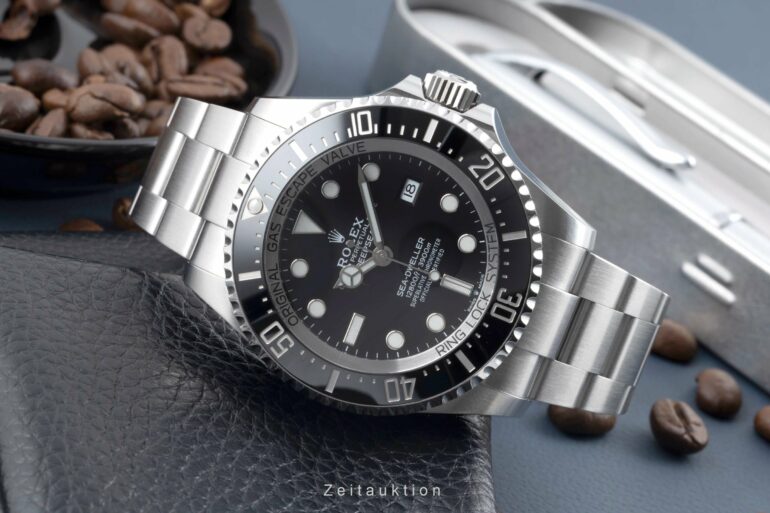
The stir is particularly palpable at Rolex. The Subdial index, which tracks models from the Geneva-based manufacturer, has risen from approximately $11,000 in January 2025 to nearly $12,000 today. A true barometer of the sector, the Submariner Date has also regained momentum, climbing out of a summer low of around $9,800 to trade at around $10,200 currently.
This return to more rational valuations remains relative, however. We are still a long way from the dizzying post-COVID highs, a time when unbridled speculation had propelled the prices of certain models far beyond their watchmaking reality or their practical value.
A Mixed Picture in the Secondary Market
It is undeniable that this recovery is not benefiting all players to the same extent. In 2024, Business of Fashion reported three-year lows for the “holy trinity” of Rolex, Patek Philippe, and Audemars Piguet, with annual declines of 5%, 4%, and 7.5%, respectively. For its part, JCK reported an eleventh consecutive decline in the global pre-owned market in the fourth quarter of 2024.
These figures highlight a reality that the prestige of the major brands sometimes tends to obscure: the pre-owned luxury watch market is not a monolithic entity. It reacts to interest rate fluctuations and the moods of collectors with the same volatility as a stock market.
New Hierarchies and the Quest for Aesthetics
Chrono24’s reports have highlighted Cartier’s rise in this secondary market, with its legendary Tank model ranking among the most coveted. There is also a renewed appetite for the Tudor Black Bay and for specific complications from Patek Philippe. In other words, the act of purchasing is no longer driven exclusively by a manufacturer’s prestige or heritage; design, elegance, and balanced proportions are regaining their rightful place.
The current paradox lies in this dichotomy: while timeless icons retain their dominance, buyers are increasingly drawn to a watch’s stylistic coherence rather than its mere status symbol value. Chrono24 also points out that while Rolex still dominates the conversation, other models are gaining ground more rapidly, driven in particular by a clientele of enthusiasts under the age of 30.
The Shadow of the Economic Climate
The monetary equation remains the cornerstone of this fragile balance. When traditional returns soar, the luxury watch market loses its status as an automatic safe haven. This market, long fueled by irrational exuberance, has paid a heavy price for this readjustment.
The future of the pre-owned watch market will therefore depend on buyers’ ability to regain confidence and once again be willing to pay a premium for exceptional and rare pieces. While time always eventually sets the record straight, history shows us that it rarely brings prices back to their former levels. The broader context remains delicate and is closely tied to the markets’ ability to stabilize interest rates over the long term.