
Make Texture a preferred source on Google to support us
Add Texture to GoogleFall in the United States is not just about the fading light or the changing colors of New England’s forests. It is a season when folklore becomes institutionalized, transforming certain small towns into epicenters of a culture of the macabre staged with surgical precision. From the East Coast to the banks of the Columbia River, four destinations stand out for their ability to transform history, literature, or cinema into an immersive experience, attracting massive tourist crowds around October 31.
Salem: The Epicenter of Massachusetts and the Weight of History
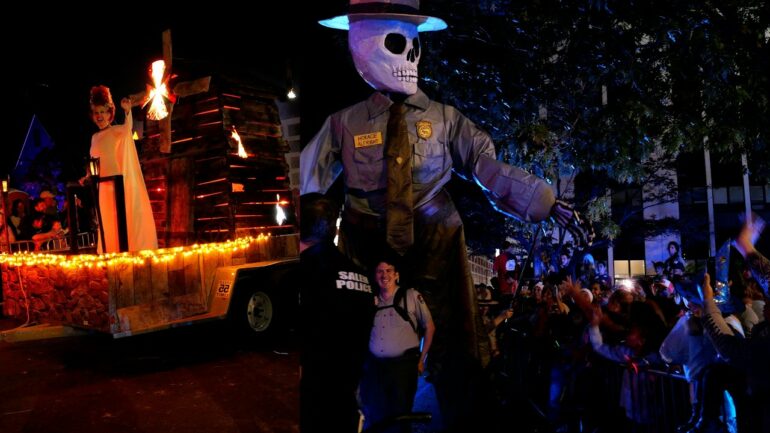
In Salem, the excitement of October rests on a paradox: the city has built its global reputation on the tragic witch trials of 1692. This colonial past, now the foundation of the local identity, coexists with pop culture imagery largely fueled by the 1993 cult classic *Hocus Pocus*, whose natural settings still dot the streets. This duality attracts more than one million visitors every year in the month of October alone, according to Destination Salem’s estimates for the year 2026.
The Salem Haunted Happenings festival has been coordinating this influx of visitors since its inception in 1982, spearheaded by the Chamber of Commerce and the Salem Witch Museum. The program runs from October 1 to 31, kicking off with the Haunted Happenings Grand Parade. In 2026, the city will celebrate its 400th anniversary with a particularly packed schedule, including a commemorative show featuring 400 drones. Visitors also flock to the Salem Common craft market or take part in themed gatherings such as “Witch Hats on the Wharf.” While admission to the parades and outdoor markets is free, the full experience comes at a cost: guided night tours and admission to haunted houses generally range from $20 to $40 per person (approximately €18 to €37).
Sleepy Hollow: The Gothic Aesthetic of Historic New York
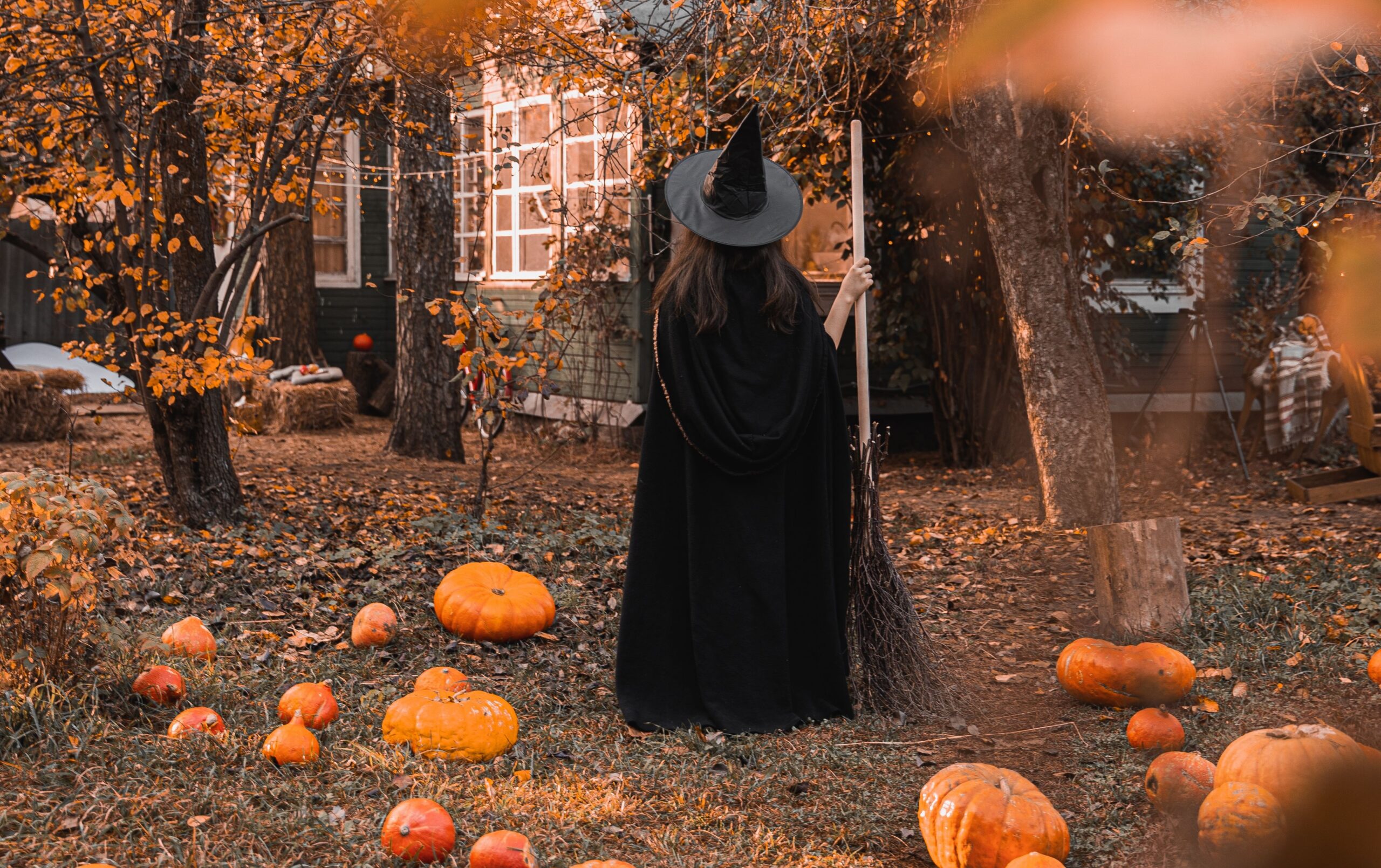
In the Hudson Valley, Sleepy Hollow and the neighboring town of Tarrytown draw their character from the works of Washington Irving. “The Legend of Sleepy Hollow,” published in 1820, immortalized the figure of the Headless Horseman, transforming this region into a sanctuary of American fantasy literature. Here, the experience is more contemplative and theatrical.
At the Van Cortlandt Mansion in Croton-on-Hudson, “The Great Jack O’Lantern Blaze” features a visual journey through more than 7,000 hand-carved and illuminated pumpkins. For fall 2026, prices range from $24 to $189 (approximately €22 to €175) for VIP packages. The literary aspect is brought to life by Jonathan Kruk at Sunnyside, Irving’s former home, where he delivers a dramatized outdoor reading punctuated by the appearance of the Horseman, with admission starting at $40 (€37). The historic cemetery where the author is buried offers nighttime lantern-lit tours, such as the Original Knickerbocker Tour, for $20 (€18). For those who prefer the hustle and bustle of the city, the Beekman Avenue Block Party offers a free alternative, while the more athletic can sign up for the Sleepy Hollow Halloween 10K, a costume race with registration fees ranging from $45 to $55.

St. Helens: Oregon’s Cinematic Nostalgia
On the other side of the country, in Oregon, St. Helens has traded its obscurity for fame linked to Disney Studios. The town served as the main setting for the 1998 TV movie *Halloweentown*, as well as for several outdoor scenes in the first installment of the *Twilight* saga in 2008. Every year, from late September through late October, the town square and the Columbia River waterfront are transformed for the Spirit of Halloweentown event.
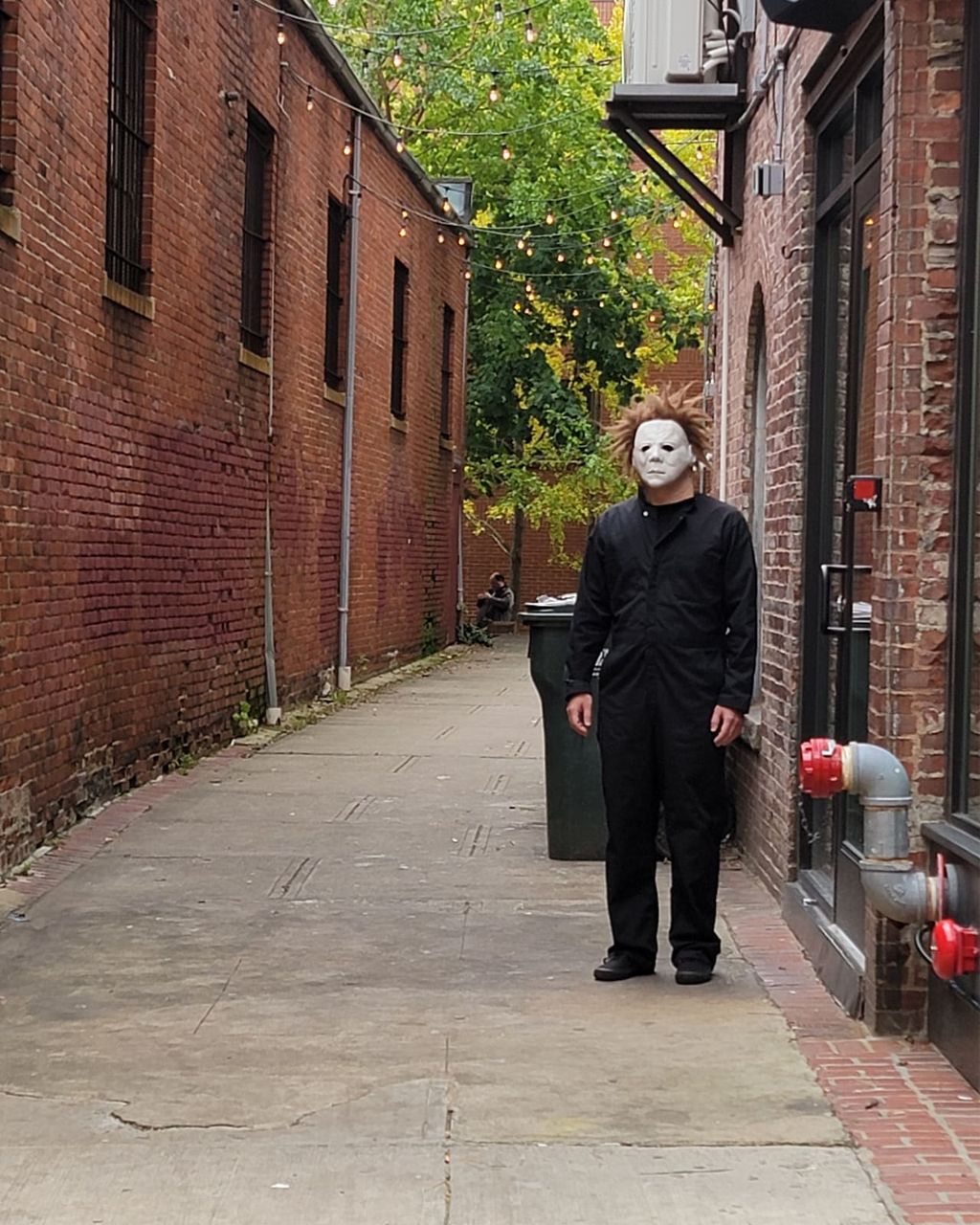
The setting is an exact replica of the town square from the 1998 film, including the lighting ceremony for the giant pumpkin in front of the former courthouse, the Columbia County Courthouse. The event capitalizes on nostalgia, featuring costume contests, immersive attractions, and autograph sessions with guest actors. While visitors are free to wander through certain public areas, access to specific attractions requires the purchase of passes, the prices of which vary by weekend. Online reservations are required to guarantee access to these areas in 2026.
Anoka: Minnesota’s Institutional Legitimacy
Anoka holds a unique place in the American landscape. Unlike its competitors, whose fame stems from organic or cultural factors, Anoka holds a legal title: it is the self-proclaimed “Halloween Capital of the World.” This word mark was officially registered with the USPTO by the nonprofit organization Anoka Halloween Inc. The title was even formally entered into the Congressional Record in 2002 by Representative Bill Luther before the U.S. House of Representatives.
The origin of this tradition dates back to October 1920. At the time, local leaders wanted to channel the energy of young people to prevent recurring acts of vandalism, such as livestock being let loose in town or outhouses being overturned on Halloween night. In 1937, the town gained national recognition when a 12-year-old newspaper delivery boy, Harold Blair, carried the town’s proclamation all the way to Washington, D.C. Today, the town is known for its giant illuminated pumpkin named “Winkie,” which has been perched on the roof of City Hall since 1972. The celebrations revolve around three major events: the Big Parade of Little People, the Light Up the Night Parade, and the Grand Day Parade, firmly establishing the town as the capital of Halloween.