
Make Texture a preferred source on Google to support us
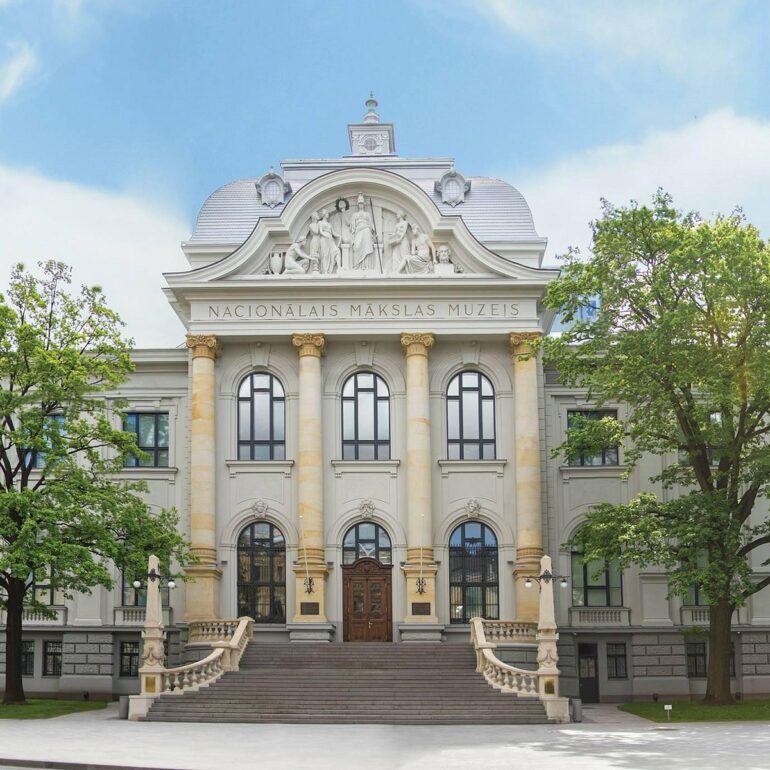
Add Texture to GoogleThe highly anticipated reopening of the Arsenāls Museum, the epicenter of the art scene in Riga, vividly illustrates how the architectural rebirth of a cultural venue can redefine its appeal. This renovation is breathing new life into the contemporary art scene, with repercussions that extend far beyond Europe’s borders.
The Rebirth of a Latvian Institution
Iveta Derkusova, director of the Latvian National Museum of Art, holds a firm conviction: the restoration of a cultural venue is the first step toward bringing audiences back. In an interview with Jauns.lv, she emphasizes that the renovation of such a site goes beyond a mere aesthetic facelift or heritage preservation. It is about infusing a comprehensive new dynamic, designed to win back visitors and reignite collective enthusiasm. The Arsenāls rehabilitation project is precisely in line with this ambitious vision.
After nearly eight years of closure, this iconic venue is poised for a rebirth, reimagined as a major extension of the museum with a broader mission. This rebirth goes beyond the simple restoration of the building’s structure. It fills a significant institutional void: during this long hiatus, the museum had to compensate—not without difficulty—for the lack of adequate space to exhibit art from the second half of the 20th century and expressions of contemporary creativity.
Architecture as a Catalyst for Re-enchantment
This Latvian philosophy resonates strongly across Europe. In France, the Ministry of Culture noted as early as 2021 a spectacular increase in attendance at heritage sites in the wake of recent crises, drawing nearly 11.7 million visitors to national museums. Historic monuments have seen the same surge in popularity. The evidence is clear: the grandeur of the spaces, the excellence of the design, and the comfort offered to the public are essential factors in their appeal.
This trend is evident across major cultural capitals. In Paris, the Centre Pompidou welcomed 3.2 million visitors in 2024, according to Le Figaro, despite the prospect of a lengthy closure for renovations. On the banks of the Garonne, Bordeaux’s Cité du Vin attracted more than 415,000 visitors that same year, brilliantly combining innovative exhibition design with its appeal to tourists. While numbers alone do not tell the whole story, they serve as a reminder of a golden rule of modern museography: a space that closes its doors gradually fades from the map of public life.
A Bridge Between Memory and the Avant-Garde
For the Arsenāls, the challenge is also generational. Iveta Derkusova points out that an entire segment of the young audience never set foot inside the building before it closed. This long hiatus created a twofold divide: a break in visitor pathways and a drastic curtailment of programming ambitions. The redesigned building must therefore once again become an optimal curatorial tool, as well as an indisputable landmark for art and design enthusiasts.
This curatorial and architectural challenge extends far beyond Riga’s borders. In the United Kingdom, a study on Hull’s cultural transformation demonstrated that its status as European Capital of Culture catalyzed the arrival of new audiences, generating significant economic benefits. Conversely, while institutions in Quebec began to recover in 2024, they are still struggling to regain their former levels of attendance, with some art museums even reporting a decline in visitors. The restoration of an art venue undeniably sparks interest, but it cannot, on its own, be a magic solution.
The Test of Sustainability
Ultimately, the Latvian example reminds us that cultural influence is not sustained by architectural prestige alone. It requires sustained investment, carefully considered strategic choices, and, above all, the ability to endure beyond the initial excitement generated by the grand opening. While a magnificently renovated building may boost visitor numbers, it must prove its indispensability over the long term. It is by this measure that the success of the Arsenāls will be judged: not merely as a venue reopening its doors, but as a true showcase, ready to restore contemporary art to the center of the cultural landscape.