
Make Texture a preferred source on Google to support us
Add Texture to GoogleFor a long time, haute cuisine in São Paulo had a foreign flavor. In the hushed kitchens of Brazil’s economic capital, excellence was measured by European techniques, imported ingredients, and a somewhat rigid notion of what a prestigious dining experience should be. But a tectonic shift has taken place. São Paulo chefs no longer make their mark by imitating the Old Continent, but by delving into the deep roots of a vast region long overlooked by local elites. This quiet revolution—which has shifted from a quest for exoticism to the assertion of a distinct identity—is now redrawing the global map of gastronomy.
Luiz Filipe Souza’s career perfectly illustrates this transformation. Before 2019, the chef worked at Evvai, a restaurant renowned for its high-end Italian cuisine. Souza, who describes himself as a scholar of Italian culinary culture, nevertheless hit a wall of reality during his participation in the Bocuse d’Or. While representing his country on the international stage, he realized the gap between his training and his sensory memory. While he had mastered the art of gnocchi, he hadn’t grown up in the kitchen of an Italian grandmother. His own culinary heritage was rice and beans. This realization was a turning point: in the morning, he would practice working with cupuaçu, baniwa chili, or tucupí—that fermented cassava juice with its unique aromatic intensity—before putting on his chef’s jacket in the evening to serve classic Italian dishes. This balancing act couldn’t last. By merging his two cultures, Souza took Evvai to a new level, which was recognized last April with a third Michelin star—a historic achievement for the continent.
The Science of Taste: The Tuju Example
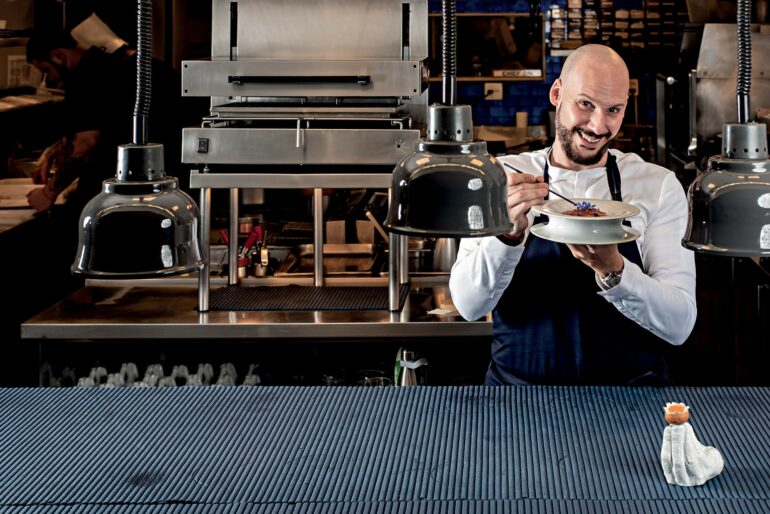
Just a stone’s throw away, Ivan Ralston, at the helm of Tuju, has followed a similar path. Founded in 2014, his restaurant initially oscillated between tasting menus and more conventional à la carte dishes, such as steak tartare. But a forced two-year closure during the pandemic transformed the restaurant into a research laboratory. Accompanied by his partner Katherina Cordás, Ralston traveled throughout Brazil to meet producers and challenge preconceptions about the local climate. The common misconception that Brazil lacks distinct seasons was shattered. In the São Paulo region, the weather is dictated not by temperature, but by rainfall.
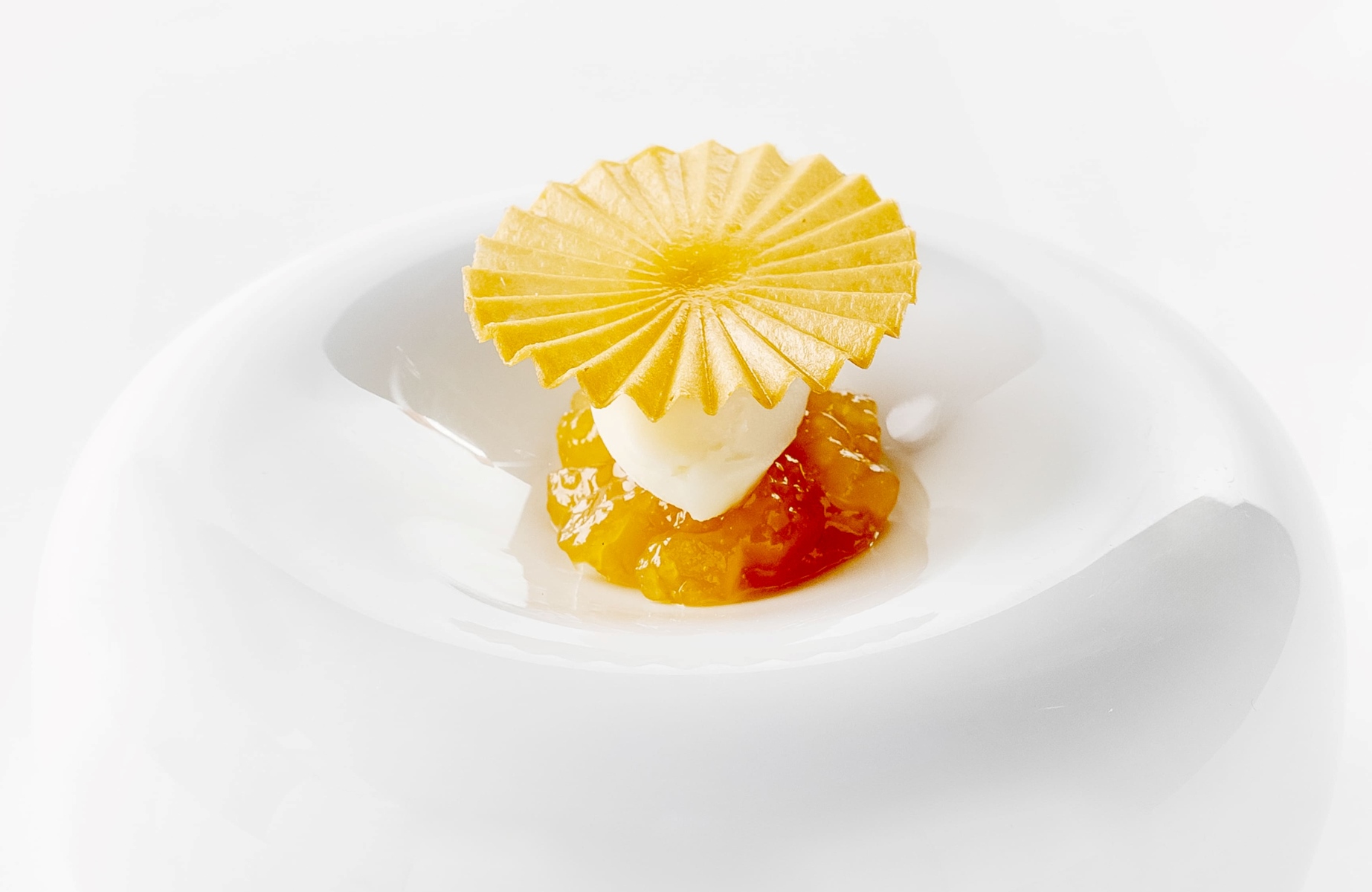
This discovery led to a menu structured around four seasonal indicators: rain, wind, drought, and humidity. This meteorological approach to the plate allows for surgical precision in the selection of ingredients. During the rainy season, which coincides with the Brazilian summer, the menu highlights squid, tomatoes, and tamarind. When the wind picks up, it’s the turn of sardines, clams, and Jerusalem artichokes to shine. The dry season favors root vegetables, with cassava and carrots leading the way, while the return of humidity heralds the arrival of artichokes and zucchini. This high standard and attention to detail have also earned Tuju its three stars, as well as a prestigious Art of Hospitality award in September from The 50. For Ralston, this success comes from moving away from Western standards in favor of a more raw, more distinctive style—one capable of first winning over Brazilians themselves before seeking foreign approval.
The Pioneers of Amazonian Cuisine
This current buzz would likely not have been possible without the seminal work of Alex Atala. When he founded Dom in 1999, the local gastronomic scene was still dominated by European conventions. Armed with his experiences on the Old Continent, Atala returned convinced that mere imitation was no longer enough. He then undertook a titanic effort to rehabilitate once-scorned ingredients, such as Amazonian ants and bacuri, a tart yet sweet fruit. By blending these primal flavors with cutting-edge techniques, Atala paved the way for a new Brazilian aesthetic. His inclusion on *Time* magazine’s list of the most influential people in 2013 and his two Michelin stars since 2015 attest to the power of his vision: serving crocodile or veal with coffee sauce is no longer an eccentricity, but an expression of a living heritage.
Following in his footsteps, Helena Rizzo also made history with Maní, which opened in 2006. Having trained in the Spanish kitchens of El Celler de Can Roca, she has created a unique fusion of local ingredients and the influences of the immigrant communities that make up the DNA of São Paulo. Her duck tartare with hoshigaki (homemade dried persimmon) or her dishes featuring tambaqui, a massive river fish, illustrate this ability to blend Asia, Europe, and the rainforest in a single bite. For many young chefs, Maní remains the school where one learns to respect ingredients while giving free rein to one’s creativity.
Cultural Syntheses and Socially Conscious Cuisine
The evolution of the culinary scene is also reflected in the geographical shift of restaurants. A Casa do Porco has chosen to set up shop in downtown São Paulo, a long-neglected neighborhood far from the traditional upscale districts. Here, luxury lies in the mastery of a single product: pork, raised on the owners’ own farm. The tasting menu, which may include a pork soufflé or reimagined sushi made with pork, concludes with a classic roast pork served with rice, beans, and plantains. The atmosphere is relaxed—you can dine here in shorts and flip-flops—while still offering impeccable service, proving that haute cuisine can shed its pomp to gain authenticity.

Another form of fusion is on display at Aizomê, where Telma Shiraishi explores what she calls “Nipo-Brazilian” cuisine. Since São Paulo is home to the largest Japanese community outside of Japan, this fusion feels organic. Shiraishi uses pirarucu—a giant of Brazil’s rivers—for a traditional saikyo yaki, or replaces classic ponzu with a tucupí-based version. This elegant, wood-paneled space, where diners can savor exceptional sushi paired with a carefully curated selection of sake or Japanese wines, reflects the maturity of a city that is no longer afraid to blend its cultural heritages.
Finally, the restaurant Dêze embodies this movement toward internal decentralization. Originally from Caraíva, a remote fishing village in the northeast, Chef Yuri Escobar recently moved his kitchen to Jardim Paulista. In this intimate 35-seat setting, he elevates vegetables to the same level as animal proteins. His cuisine, built on fermentation and curing, features bold pairings such as sole with lentils and green papaya, or duck with rhubarb and karashi. This reflects a gastronomy that no longer seeks merely to nourish, but to convey the climatic and cultural complexity of a country-continent.
This transformation is driven by a rapid rise in the quality of local production. Chefs now have access to biodynamic wines, artisanal charcuterie, and world-class cheeses, all produced right here in Brazil. This food sovereignty allows restaurateurs to break free from costly imports and build a sustainable ecosystem. By prioritizing short supply chains and native flavors, São Paulo’s chefs have succeeded in transforming their original “roughness”—that ruggedness described by Ivan Ralston—into an asset of unprecedented sophistication.
Discover the featured restaurants:
Dom: domrestaurante.com.br
Maní: restaurantemani.com.br
A Casa do Porco: acasadoporco.com.br
Dêze: dezerestaurante.com
Aizomê: aizome.com.br