
Make Texture a preferred source on Google to support us
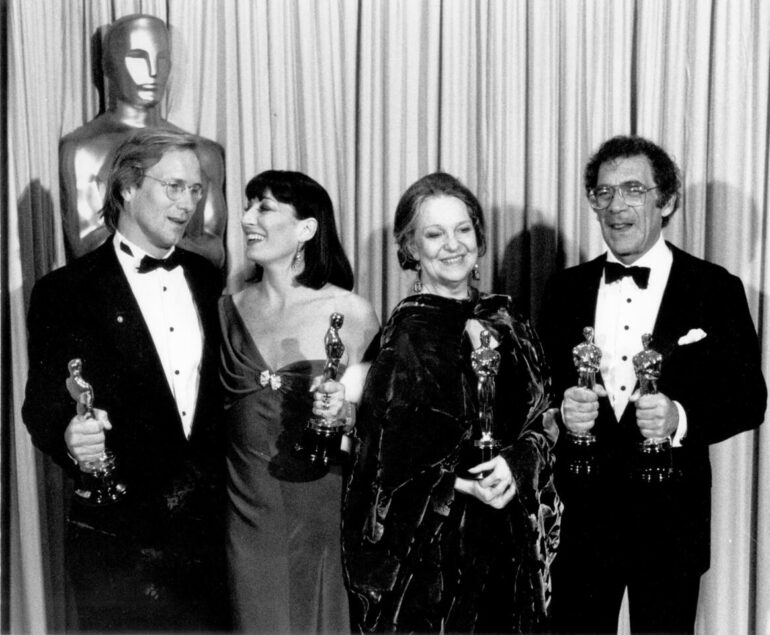
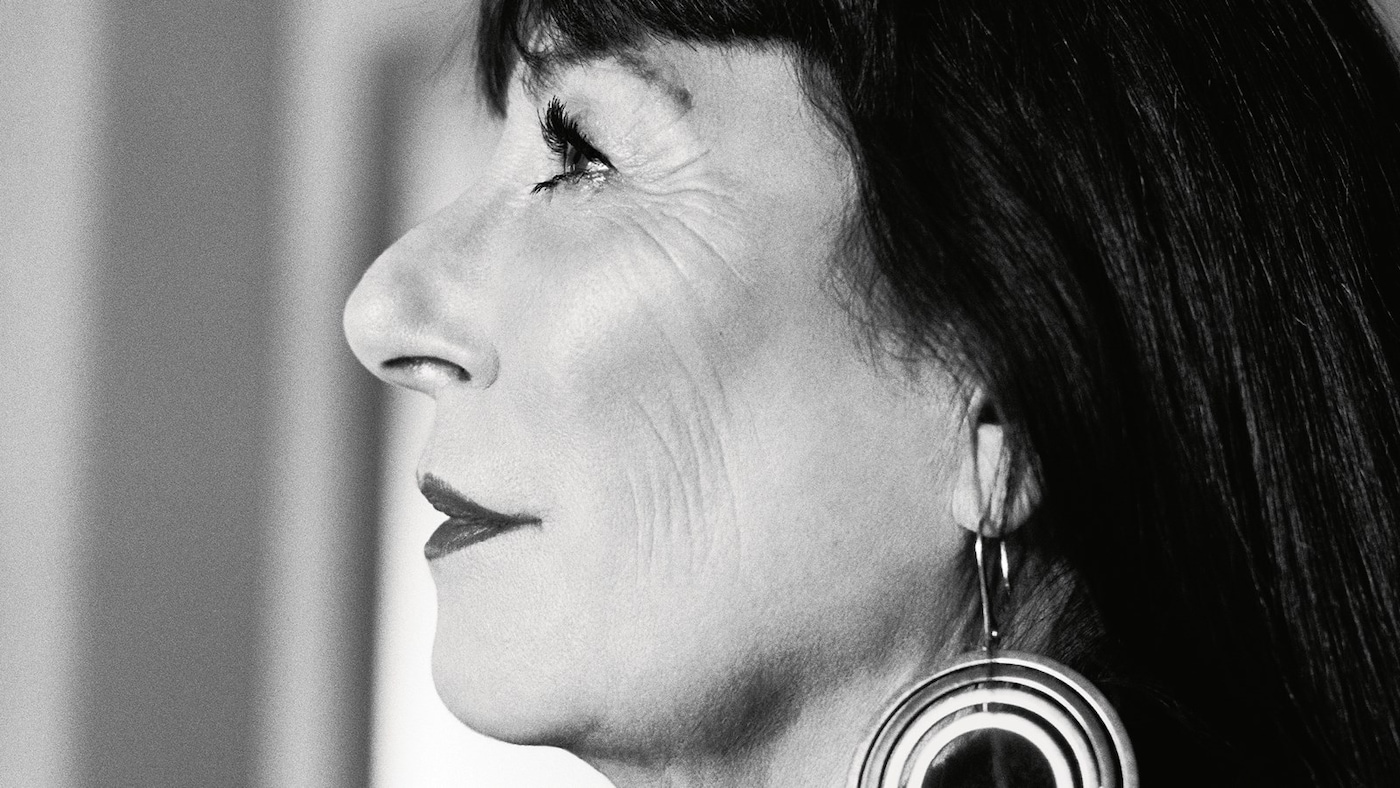
Add Texture to GoogleThe unease crept in as quietly as a cold draft in a cozy living room. It was during a weeknight dinner—the kind you throw together with friends in the dim light of a city apartment. One of the guests had arrived with a surprise guest: Anjelica Huston. A scene that, in any circle that respects the history of cinema, should have elicited a wave of reverence. Yet the host, with total nonchalance and disarming ignorance, had welcomed her as if she were just a last-minute acquaintance, a “crash guest” among others. The story of that evening, recounted a few days later at the office, met an even crueller fate. In front of the audience, the anecdote fell flat like a failed soufflé. The younger colleagues, whose memories didn’t extend beyond the invention of the iPhone, wore that blank stare reserved for relics of the past. “Sorry, I have absolutely no idea who you’re talking about,” one of them finally blurted out, while the others rushed to Google to identify the icon that had vanished from their cultural radar. It’s at that precise moment that you realize that cultural codes, just like idols, crumble under the weight of time.
The Butler’s Nightmare and the Extra Bag
In London’s social landscape, there’s an unwritten rule—a vestige of courtesy—that dictates you should never arrive at a dinner party empty-handed. A bottle of wine is the standard gift; two, if you have a reputation for not letting your glass stay empty for too long. But there is an invisible line where generosity crosses over into bad taste. The first misstep is often the most painful. Imagine yourself crossing the threshold of a stately home in the British capital, invited by a business contact with the secret hope of turning this formal connection into a sincere friendship. To mark the occasion, you’ve opted for champagne—a gesture you consider exceptionally elegant at the time. But the devil is in the details: in this case, the crumpled plastic bag from a neighborhood liquor store.
The moment a butler in livery opens the door, your enthusiasm instantly turns into a lesson in shame. The butler’s gaze, scanning your “haul” with a pained yet restrained expression, speaks volumes about the hierarchy of etiquette. “Sir, may I take your coat and your… groceries?” The word is out, delivered with that icy politeness that makes it clear your bottle will never make it past the entryway. It vanishes, relegated to the depths of the wine cellar, while you enter the living room with the lingering feeling of being the protagonist in a comedy of manners whose script you don’t control. This kind of social scar never quite heals; it becomes a compass for future invitations.
From Social Exuberance to the Dogma of Well-Being
The landscape of hospitality, however, has changed radically. For today’s generation of thirty-somethings, the ritual of a dinner accompanied by wine seems to belong to a bygone, almost exotic era. Today, an invitation to dinner often competes with the imperative of physical performance. Why burden yourself with a grand cru when you’re worried about failing to beat your personal best during a morning session at Barry’s? Kombucha has replaced Bordeaux, and the fear of a hangover has given way to the cult of self-optimization. This new form of asceticism changes the game for the guest: should one still bring what some perceive as poison, or should one fall in line with this planned sobriety?


This question takes on an almost metaphysical dimension when one is invited to places whose prestige demands silence and reflection. In Mallorca, for example, in those centuries-old estates that bear the name of the family that inhabits them, the question of what to bring becomes a dilemma of etiquette. Can one be “too grand” to accept a gift? Standing before a facade steeped in history, one hesitates between the traditional gesture of giving and the fear of appearing out of place. The answer often lies in simplicity, as a recent visit to the island confirmed. In the presence of a hostess who embodies the epitome of “barefoot chic”—that laid-back luxury that no longer has anything to prove—the bottle of wine returns to what it should be: a gesture of sharing, without pretense. Whether the wine ends up in a sauce or is enjoyed that very evening matters little; what matters is having avoided the pitfall of the plastic bag and the disdain of overzealous house staff.
Etiquette in the Age of Digital Void
While London salons and Mallorcan fincas still uphold their rules, it is in the digital realm that politeness seems to have definitively breathed its last. We navigate through feeds saturated with architectural aesthetics and animal rescue videos, but sometimes tragedy strikes without warning. The announcement of a death or a serious illness on Instagram provokes reactions that leave one speechless. What is the underlying logic of someone who, upon hearing news of a family tragedy deep in the Amazon, simply clicks the “like” button mechanically? Is it a sign of support, or has emotional laziness become the norm?
The unease reaches its peak when we observe the use of emojis in these circumstances. Under a post announcing the death of a parent, it’s no longer rare to see, nestled between two broken hearts, the poop emoji. It’s not hard to imagine a new breed of influencers—virtual stonemasons—already carving pictogram-shaped tombstones for a generation that no longer knows how to name its grief. The link between the inability to recognize a major cultural figure like Anjelica Huston and this lack of empathy on social media is striking. We live in an age of stark contrasts, where we can master the settings of our fitness app perfectly, yet remain incapable of writing a single line of condolence or choosing the right bag to carry champagne in. The question remains: Is elegance a skill learned from textbooks, or a sensibility that withers as our screens light up?