Make Texture a preferred source on Google to support us
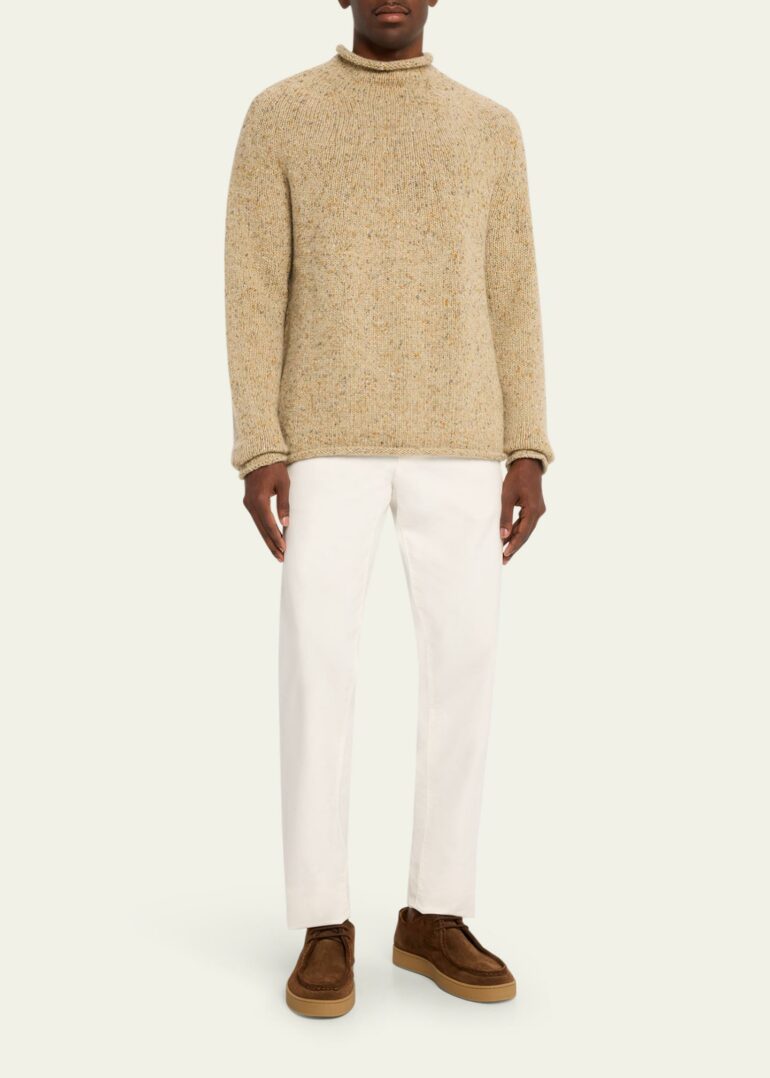
Add Texture to GoogleFingertips glide over the knit. On the rack, its extreme softness almost begs to be caressed. It’s the ultimate trap. Accustomed to mass-produced items heavily marketed with reassuring labels, shoppers have come to equate immediate pleasure with a guarantee of excellence. The textile industry exploits this sensory flaw with clinical precision. The short fibers, artificially puffed up by intensive factory washes and saturated with chemical softeners, offer a fluffy feel from the very first touch. This illusion rarely survives the first winter season. The reality of a garment crafted according to the rules of the art is radically different from this docile standard. A knitwear piece from the finest workshops often has a firmer hand and an almost dry texture when first tried on. It does not reveal itself immediately; it is tamed through wear and over time.
The language of luxury has been diluted on the shelves of mass-market retailers. The label “100 percent cashmere” no longer guarantees anything beyond a legal composition, completely ignoring the fabric’s structure. To distinguish the authentic from the disposable, one must look beyond the label and examine the garment’s physical structure. Quality is not a matter of magic, but rather the result of a combination of geographical, biological, and mechanical factors.
Harsh Climates: The Birthplace of the Fiber
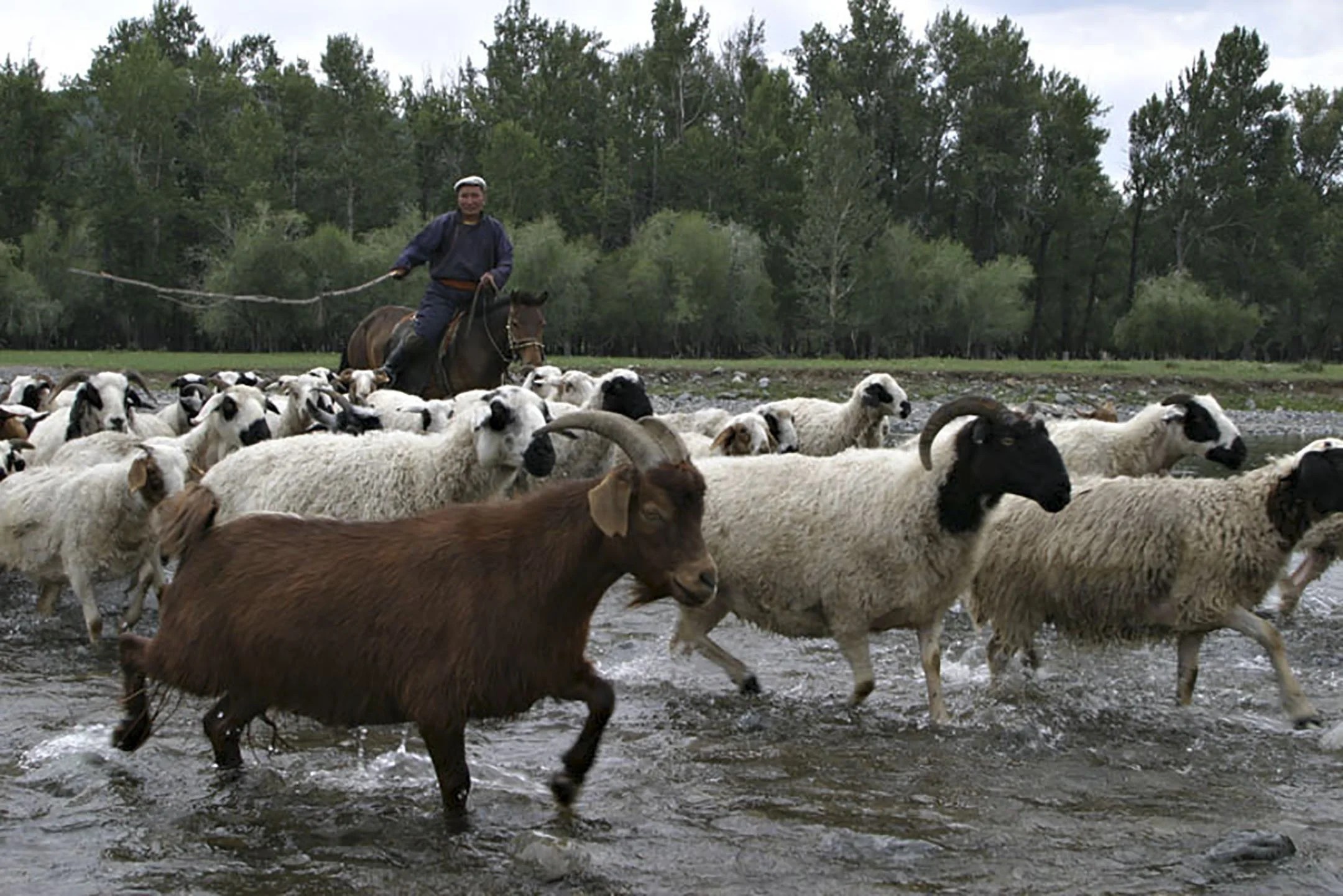
Behind the nobility of the yarn lies a hostile geography. The Capra hircus laniger goat produces this precious down only as a direct response to extreme weather conditions. On the high plateaus of Central Asia, particularly in Inner Mongolia, winter temperatures regularly plummet below minus forty degrees. To survive, the animal develops a secondary fleece beneath its thick, coarse outer coat. This extremely fine undercoat traps air and creates a formidable thermal barrier.
In the spring, when the weather warms up and the animal begins to shed its coat, the harvest begins. Traditional herders do not resort to shearing, a brutal method that would mix the coarse hair with the soft down. They use special combs to collect only the undercoat that sheds naturally. This age-old practice requires patience and drastically limits yields. An adult goat yields, on average, only 150 to 200 grams of usable material per year. The math is simple: it takes the down from four to six animals to make a single sweater of average size. This inherent scarcity justifies the cost of an unadulterated material.
The Invisible Arithmetic of the Yarn
Once harvested, the raw down undergoes a rigorous sorting process. The viability of a garment depends on two precise measurements: the diameter and the length of the filament. Major spinning mills require a thickness between fourteen and sixteen microns—by way of comparison, a human hair measures around seventy-five microns. Above nineteen microns, the material loses its characteristic suppleness and resembles conventional wool.
Fineness guarantees softness, but it is length that ensures durability. A high-quality fiber measures between thirty-four and thirty-six millimeters. Short fibers, often sourced from industrial waste or low-grade recycling, cost significantly less. However, their mechanical properties pose a major problem: unable to remain anchored within the yarn’s twist, they eventually come loose due to body friction. This phenomenon has a name that consumers dread: pilling. A cheap knit garment pills not because it is poorly cared for, but because its internal structure is short and fundamentally unstable.
The Test of Tension and Light
The transformation from fleece to garment is a matter of textile engineering. A single yarn is too fragile to withstand the tension of a knitting machine. Manufacturers therefore twist it with at least one other yarn to create the industry standard: the “two-ply” yarn. This twisting constrains the fibers, locks them together, and gives the fabric resilience. Some models use four, eight, or even twelve threads to withstand intense cold, gaining in thickness while managing to retain their lightness.

A manual inspection of a garment immediately reveals its level of craftsmanship. A loose knit betrays an attempt to minimize the amount of raw material used. When you hold the fabric up to the light and gently stretch it with both hands, light should not pass through the weft in large quantities. The resilience test is just as revealing. Pinch a section of the garment, stretch it a few centimeters, then release it abruptly. A dense weave and resilient fibers will snap back to their original shape in a fraction of a second. If the fabric retains a soft crease or remains misshapen, it lacks natural elasticity—a sign that the garment will sag at the elbows and droop at the shoulders after just a few wears.
The Impact of Color on Texture
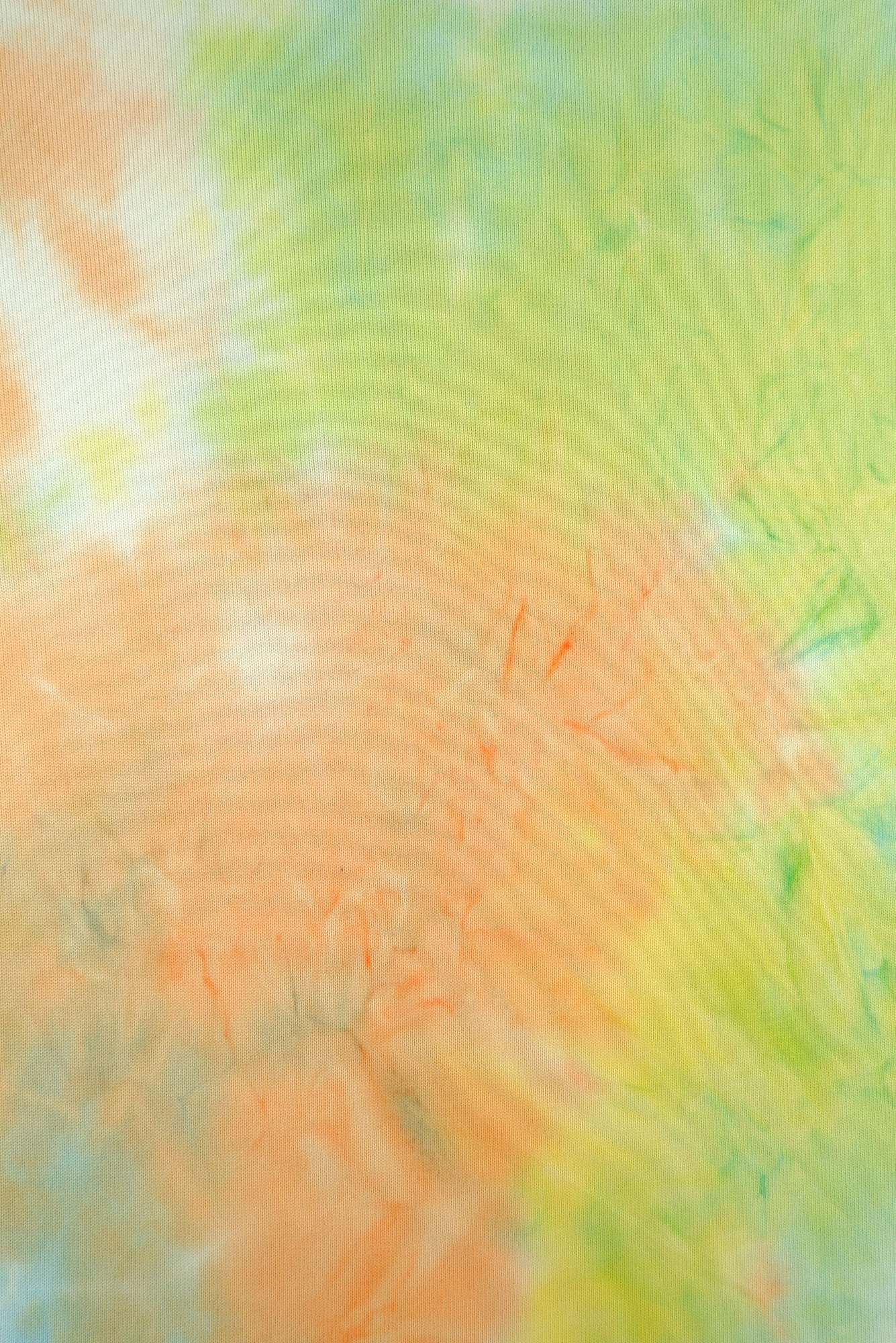
Dyeing plays an underestimated role in the final appearance. In its natural state, goat down comes in white, beige, or brown. Pure white fiber commands a higher price on specialty markets because it absorbs light or pastel colors without requiring prior bleaching. Conversely, to dye dark down in bright shades, factories must first chemically bleach it.
This harsh process damages the fiber’s cuticle, drying it out and weakening it. This is why a navy blue or black item may sometimes feel very slightly rougher to the touch than a light gray or cream item from the same manufacturer. High-end dyers master slow, low-temperature processes that preserve the integrity of the animal keratin, whereas mass-market retailers favor rapid chemical baths that ruin the fabric’s elasticity.
The Paradox of Water
The ultimate test takes place far from the fitting rooms. Contrary to a persistent misconception, water is not the enemy of this goat hair. In fact, the opposite is true. Dry cleaning, with its chemical solvents, suffocates the fibers over time. High-quality cashmere needs water to thrive. Moisture rehydrates the yarn, restores its natural loft, and tightens the weave after the strain of wear.
Machine washing on a specific cold cycle, with spin speed reduced to the absolute minimum and flat drying, remains the best possible care method. With each wash, the fabric naturally sheds its few surface-level dead fibers. The surface smooths out, and the texture softens. The knitwear then gradually adapts to the wearer’s body shape. It develops a patina, much like thick leather or a fine pair of shoes. The initial financial investment, which is often a deterrent, makes perfect sense here: a garment designed without compromise is not meant to last just one season, but to endure successive winters while improving with age.