Make Texture a preferred source on Google to support us
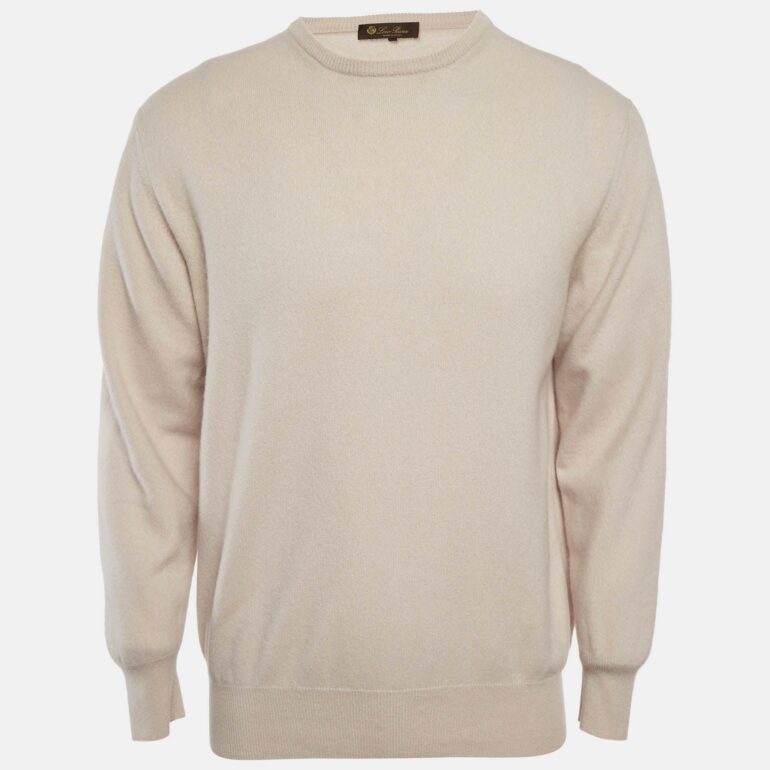
Add Texture to GoogleA beige crew-neck sweater, looking perfectly ordinary. Devoid of any asymmetrical details, any fanciful cut, and without a single patch on the chest. Placed on a display rack, it would blend effortlessly into the shelves of a big-box retailer. Yet the moment your hand brushes against the knit, the garment’s physical reality commands silence. A yarn density that defies gravity, a total lack of weight, and an almost unreal thermal softness. Tucked inside the collar, a discreet label displays a four-digit price. Here we enter a very specific dimension of contemporary consumption: that of invisible wealth. This wardrobe, which conceals its pedigree beneath an air of apparent ordinariness, has found its rallying cry in “quiet luxury.” And at the pinnacle of this pyramid of silence, the Italian manufacturer Loro Piana reigns supreme.
The End of Ostentation as a Social Weapon
For decades, the fashion industry was fueled by loud displays of status. The ubiquitous monogram, the imposing belt buckle, and the print recognizable from thirty meters away served as social passports. The buyer paid to ensure the crowd was immediately aware of their financial status. The business model of “costly discretion” stands in direct contrast to that era saturated by logomania. Today, for an ultra-privileged segment of the population, demonstrating power no longer consists of flaunting one’s wealth, but of escaping the gaze of the uninitiated.
In this framework, visual anonymity becomes the ultimate privilege. By erasing the traditional codes of luxury, hyper-wealth has forged a new dialect understandable only to those who already possess its vocabulary. It is the principle of coded signaling applied to textiles. A no-frills double-breasted coat will not impress a passerby on the street, but it will trigger immediate recognition in the hallways of a Geneva luxury hotel or on the tarmac of a private airport. The social value of the garment lies precisely in its obscurity to the general public. Exclusion through fabric replaces exclusion through logos.
Fiber engineering taken to the extreme
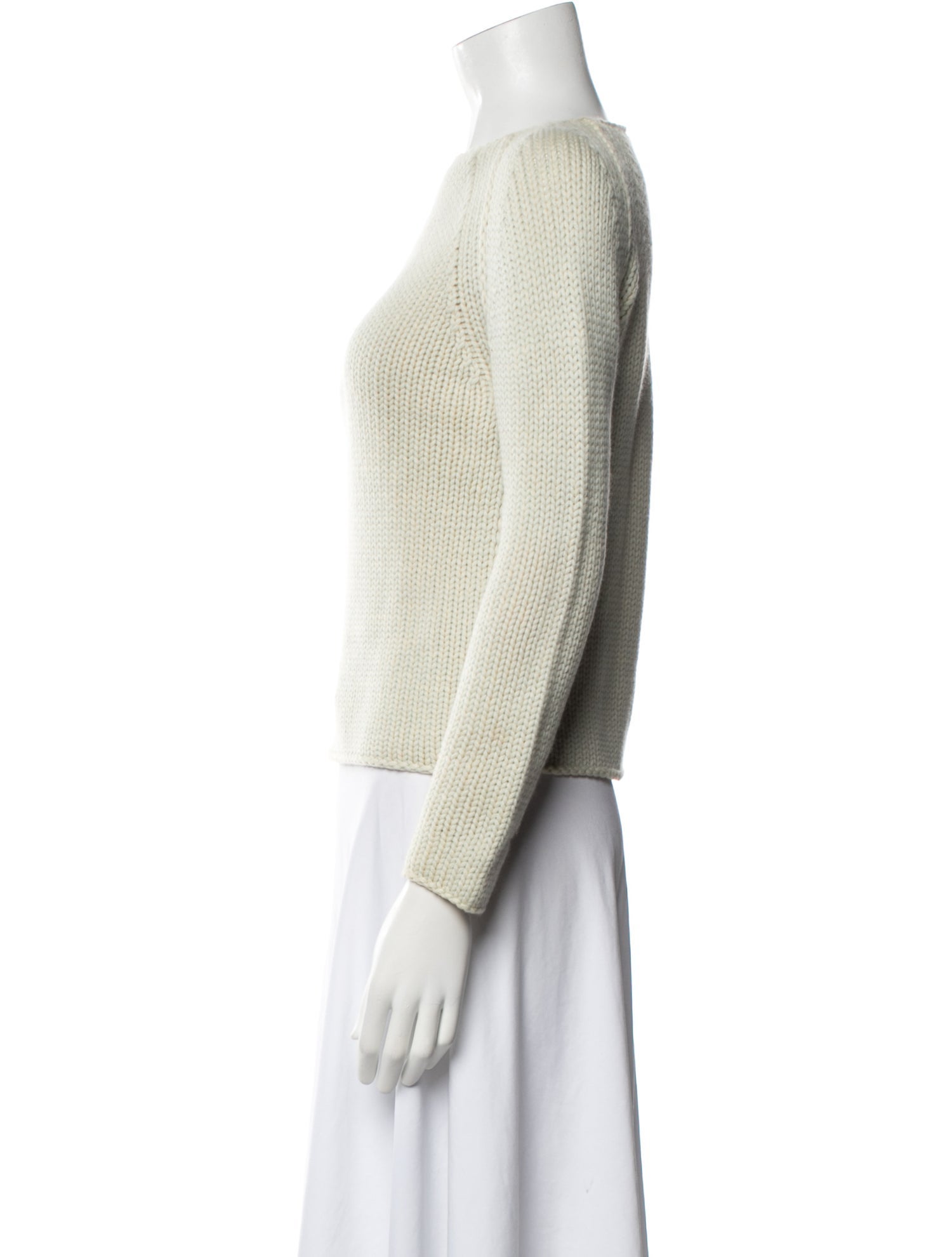
To justify prices that far exceed what is reasonable, marketing gimmicks alone are not enough. The Piedmontese manufacturer’s answer lies at the very source of the yarn. Before becoming an international brand, the family-owned company founded in Trivero, in northern Italy, was first and foremost a weaver and merchant of exceptional fabrics. This culture of textile engineering has never been diluted; rather, it has become more radical, reaching new heights of complexity.
The secret ingredient in this equation lies in the obsessive control over the planet’s most elusive raw materials. The industry often recalls the story of the vicuña. This small camelid of the Andean highlands, once threatened with extinction by intensive poaching, produces the world’s finest and most expensive animal fiber. By establishing private nature reserves and forging close partnerships in Peru and Argentina, the Italian house has secured exclusive access to a resource whose price per kilogram exceeds that of many precious metals.
The quest does not end in the Andes. It extends to Mongolia, where strict guidelines govern the harvesting of down from dairy goats—combed just once during the animal’s first twelve months of life to yield a handful of grams of unparalleled fineness. It extends all the way to Inle Lake in Myanmar, where lotus flower stems are hand-incised to extract microscopic filaments, which are spun within twenty-four hours of being cut. This is no longer just fashion design—it’s an agronomic miracle. The customer isn’t buying a designer’s creation; they’re funding a supply chain whose complexity borders on madness.
The uniform as a shield of entrenched power
The general public truly grasped the scale of this phenomenon thanks to an unexpected collision with popular culture. The television series “Succession,” by dissecting the power struggles of a media dynasty, brought this elusive uniform into the spotlight. The famous dark baseball cap worn by the character Kendall Roy—bare of any inscription but priced at several hundred dollars—crystallized this aesthetic of entrenched power.
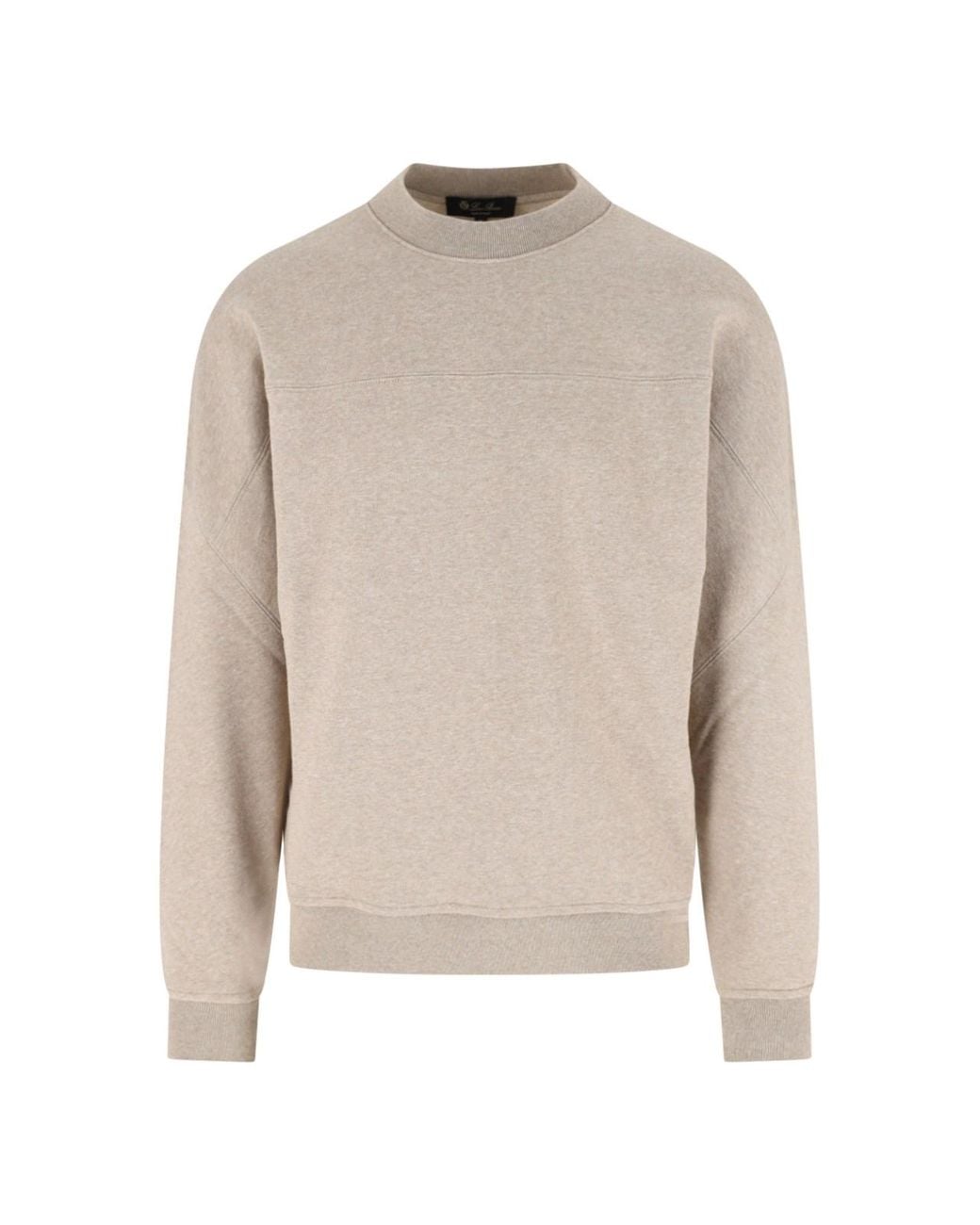
This textile smokescreen serves as both a physical and psychological shield. In a globalized climate where inequalities are constantly under scrutiny, parading around with flashy accessories poses a risk to one’s image. The minimalist aesthetic allows Silicon Valley executives, fund managers, and heirs to navigate public spaces without provoking animosity. The garment acts as soft armor, a cocoon that isolates the wearer from the outside world while ensuring absolute comfort. Social media has, in fact, attempted to capitalize on this phenomenon with the viral trend of faux-vintage aesthetics, prompting mass-market retailers to churn out avalanches of beige sweaters and navy blue pants. But the imitation stops at the surface level. The visual can be cloned and democratized ad infinitum; the tactile sensation, however, remains fiercely aristocratic.
The Paradox of the Industrialization of Secrecy
A major contradiction, however, underlies this model operating in the shadows. The sanctuary of quiet luxury no longer operates in an isolated artisanal bubble. Integrated into the LVMH colossus for over a decade following an acquisition valued at two billion euros, the brand faces the challenge inherent to any major conglomerate: the need for growth. The question arises with brutal clarity. How can a brand—whose main appeal rests on absolute rarity and whisper-quiet exclusivity—expand its retail presence and sales volume?
The solution to this paradox took the form of accessories that are recognizable despite themselves. The summer suede shoes—unlined and set on an immaculate white sole—have become the unexpected rallying cry for this clientele. Originally designed to walk the decks of racing sailboats without scratching the wood, these shoes have come to dominate the sidewalks of the Upper East Side, Mediterranean marinas, and the Swiss financial elite. The absence of a logo has been replaced by a silhouette so distinctive and a sole so striking that they function, in effect, with the same effectiveness as a monogram.
How the brand manages this success will shape its future. The challenge lies in absorbing the influx of a new generation of customers seeking social status, without driving away the brand’s long-standing clientele, who, in fact, were seeking precisely the opposite. Paying the price of a city car for a timeless sweater speaks volumes about the psychology of the era. For this elite, the ultimate victory is savored once the door to their home is closed. Away from prying eyes, in the solitude of a living room, it is about experiencing firsthand the density of a fiber that is physically impossible to find anywhere else.