Make Texture a preferred source on Google to support us
Add Texture to GoogleThe contemporary approach to funerary heritage now goes beyond simple contemplation to embrace aesthetic and environmental dimensions. Far from being merely places of silence, some cemeteries have emerged as architectural laboratories, botanical reserves, or major witnesses to the evolution of urban landscapes. This emphasis on heritage—rooted in architectural richness, integration into the landscape, and the depth of remembrance—transforms these enclosures into cultural destinations in their own right, where stone and vegetation come together to create a unique setting.
The Emergence of the American Landscape Cemetery
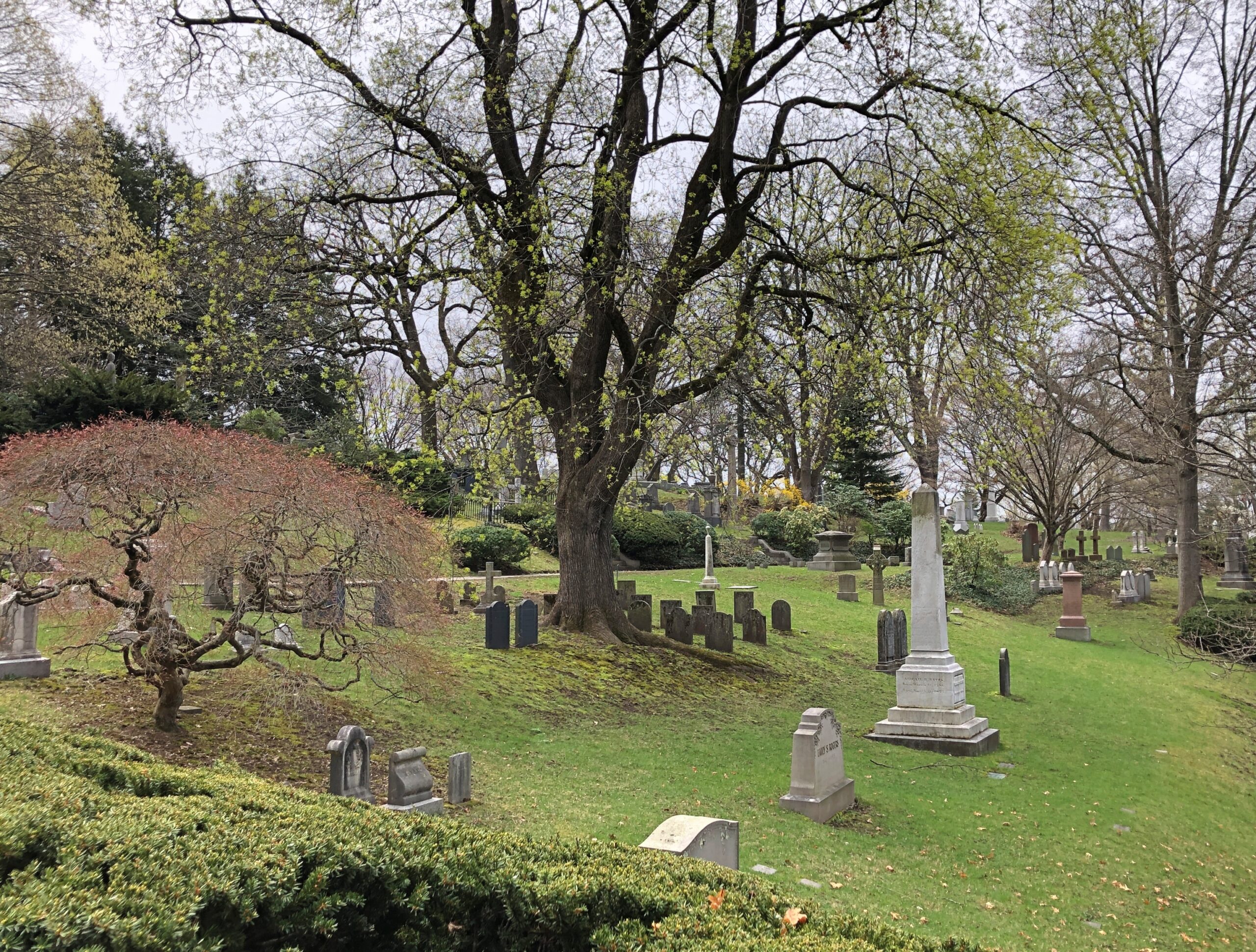
The turning point came in 1831 with the founding of Mount Auburn Cemetery, located between Cambridge and Watertown in Massachusetts. Recognized as the first “rural cemetery” in the United States, this 70.8-hectare site broke with colonial practices to establish a model of a landscaped park. This site, designated a National Historic Landmark, attracts more than 200,000 visitors annually. Beyond its primary function, it serves as a strategic ecological stopover for birdwatching, situated along the Atlantic Flyway. Admission is free and open year-round, allowing visitors to immerse themselves directly in what was the precursor to American public parks.
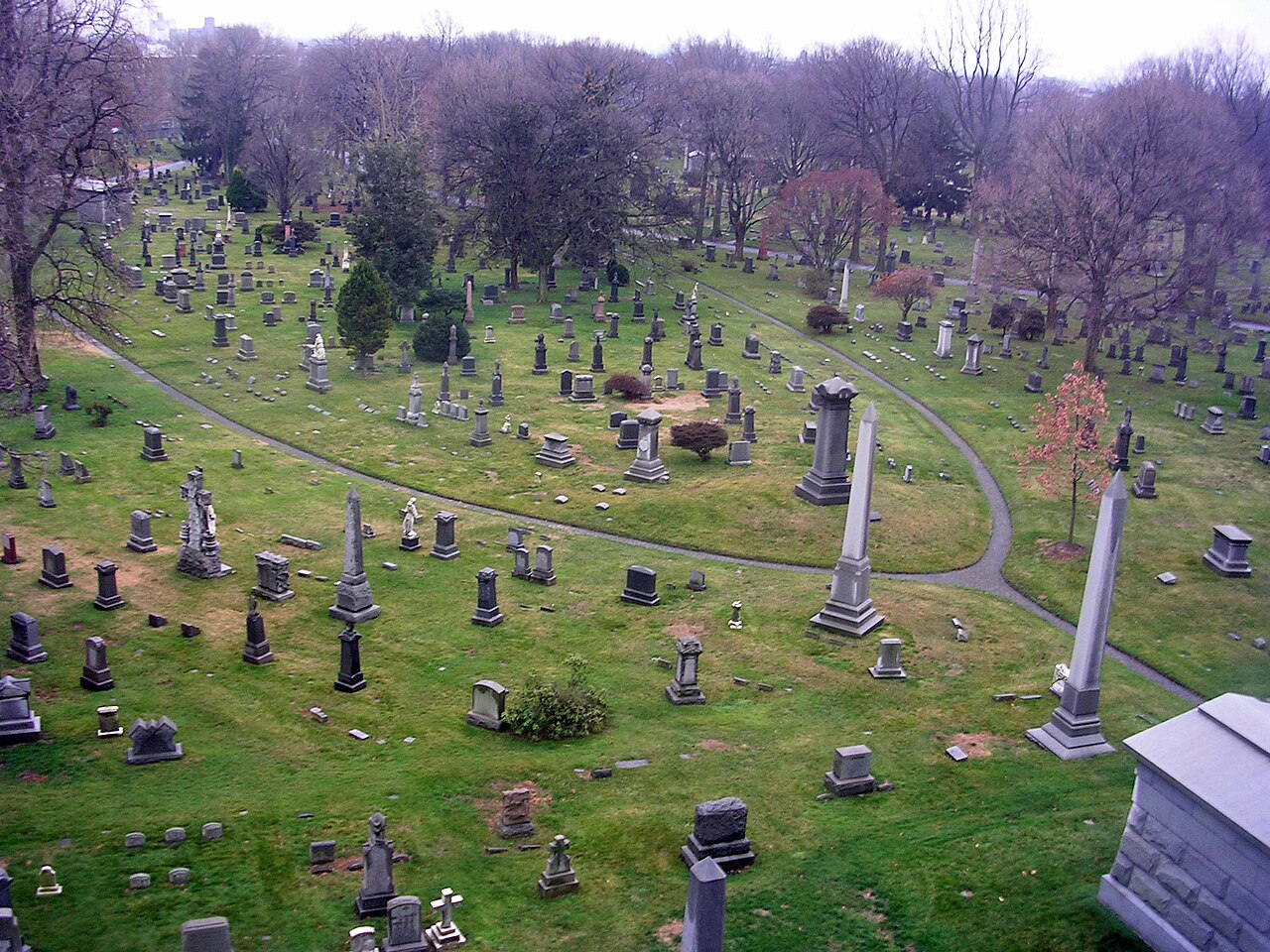
In the same vein, Green-Wood Cemetery in Brooklyn was established in 1838. A masterpiece of the 19th-century landscape movement, it was designated a National Historic Landmark in 2006. While admission to the general grounds remains free, the institution also offers themed guided tours to explore its rolling hills and monuments. These American sites mark a turning point: the cemetery is no longer merely a place of burial, but a skillfully designed garden where people come to observe nature as much as history.
Cemeteries of National Remembrance
In Virginia, Arlington National Cemetery exudes a completely different atmosphere. Established in 1864 during the Civil War on the former estate of Robert E. Lee, this site is administered directly by the U.S. Department of the Army. Military discipline is evident here in the rows of white headstones, as well as in monuments of global significance such as the Tomb of the Unknown Soldier and the grave of President John F. Kennedy, marked by his eternal flame. It is open to the public, offering a glimpse into American political and military history in a solemn setting.
In New Orleans, St. Louis Cemetery No. 1 exemplifies architectural adaptation to geographical constraints. Founded in 1789, it is the oldest cemetery in the city. Due to a very high water table, in-ground burials are impossible there, necessitating the construction of above-ground vaults and mausoleums made of brick and stucco. This stone labyrinth houses the tomb attributed to the Voodoo priestess Marie Laveau. To combat vandalism, access has been strictly regulated since March 2015: visitors must be accompanied by a guide approved by the diocese, at a cost ranging from $25 to $35 USD.

European and South American Elegance
Paris is home to Père-Lachaise, the capital’s largest cemetery within the city limits. Opened in 1804 under an imperial decree and designed by architect Alexandre-Théodore Brongniart, the site spans 44 hectares. Its fame stems from a unique blend of architectural styles and the presence of illustrious residents such as Frédéric Chopin, Oscar Wilde, Édith Piaf, and Jim Morrison. This open-air sculpture park is free to visit every day of the year.
In Buenos Aires, the Cementerio de La Recoleta offers an Argentine take on this aesthetic. Opened in 1822 on the former vegetable garden of the Recollect monks, the site was originally designed by Prosper Catelin. A veritable city within a city, it houses more than 4,500 tombs and mausoleums belonging to the country’s elite, including that of Eva Perón. While admission is free for residents, a specific fee now applies to international tourists—a measure implemented by the city to ensure the maintenance of this monumental heritage site.
Spirituality and Harmony with Nature in the East and Europe
In Japan, the Okunoin necropolis, located on Mount Kōyasan in Wakayama Prefecture, offers a profound immersion in Shingon Buddhist spirituality. Founded in the 9th century around the mausoleum of Kōbō Daishi, this forest of centuries-old Japanese cedar trees is home to more than 200,000 stone steles and pagodas. Designated a UNESCO World Heritage Site, the site is distinguished by the seamless integration of stone into the forest ecosystem, creating an atmosphere where time seems to stand still.
Finally, the Cementerio Monumental de San Sebastián, located in Casabermeja, Spain, exemplifies a unique Mediterranean aesthetic. Designated a National Historic and Artistic Monument in 1980, this cemetery is characterized by its whitewashed structures that stand out against the landscape of the province of Málaga. This necropolis, through its whiteness and layout, reflects the visual identity of Andalusia, demonstrating that funerary art is inseparable from a region’s cultural and geographical identity. Each site—whether forested, military, or urban—tells a story that extends far beyond the realm of mortality to embrace that of enduring human creation.