
Make Texture a preferred source on Google to support us
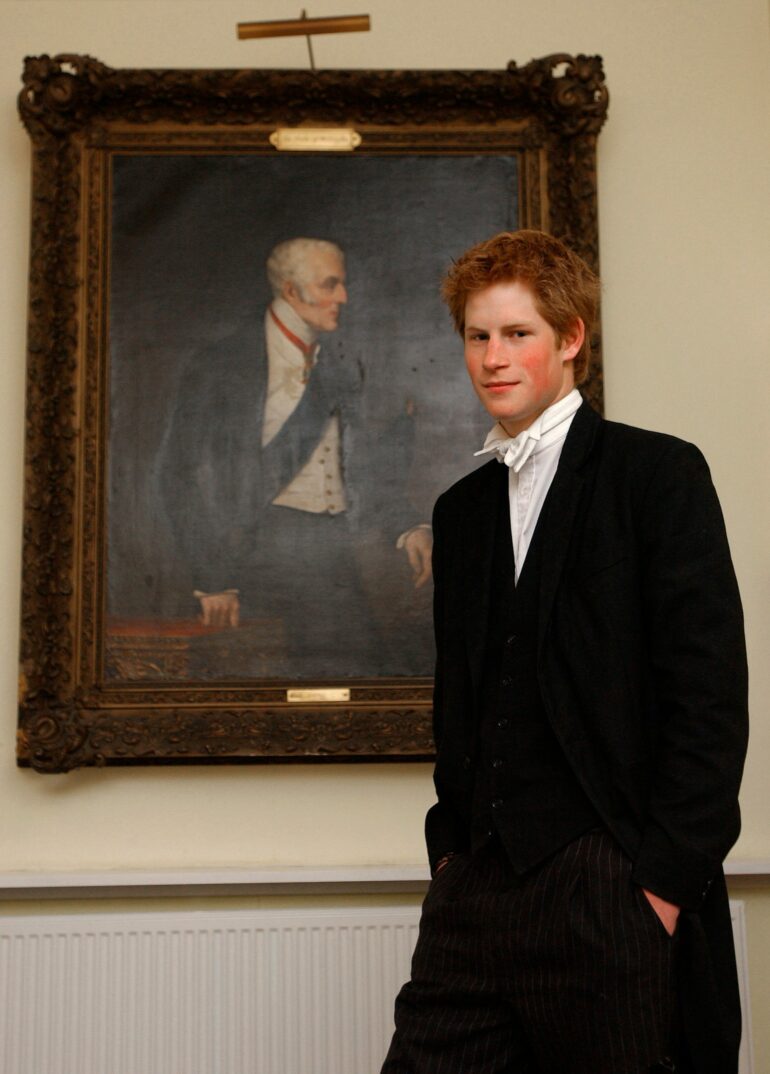
Add Texture to GoogleIn May 2003, on the eve of his nineteenth birthday, Prince Harry was about to turn a major page in his young life. After five years spent within the historic walls of Eton College, the youngest son of Prince Charles and Princess Diana was completing his secondary education. To mark this transition to adulthood and his imminent departure from boarding school, a photo shoot organized by St. James’s Palace was held on May 12, 2003. These photos, released a few weeks later, offer a rare and carefully curated glimpse into the prince’s private life at Manor House, the boarding house run by Dr. Andrew Gailey where he had been living since September 1998. Far from his official appearances on the balcony at Buckingham Palace, the image that emerges is of a teenager of his time, navigating a setting where the conventions of royalty clash with the popular culture of the 2000s.
The Aesthetics of a Boarding Room Between Two Worlds
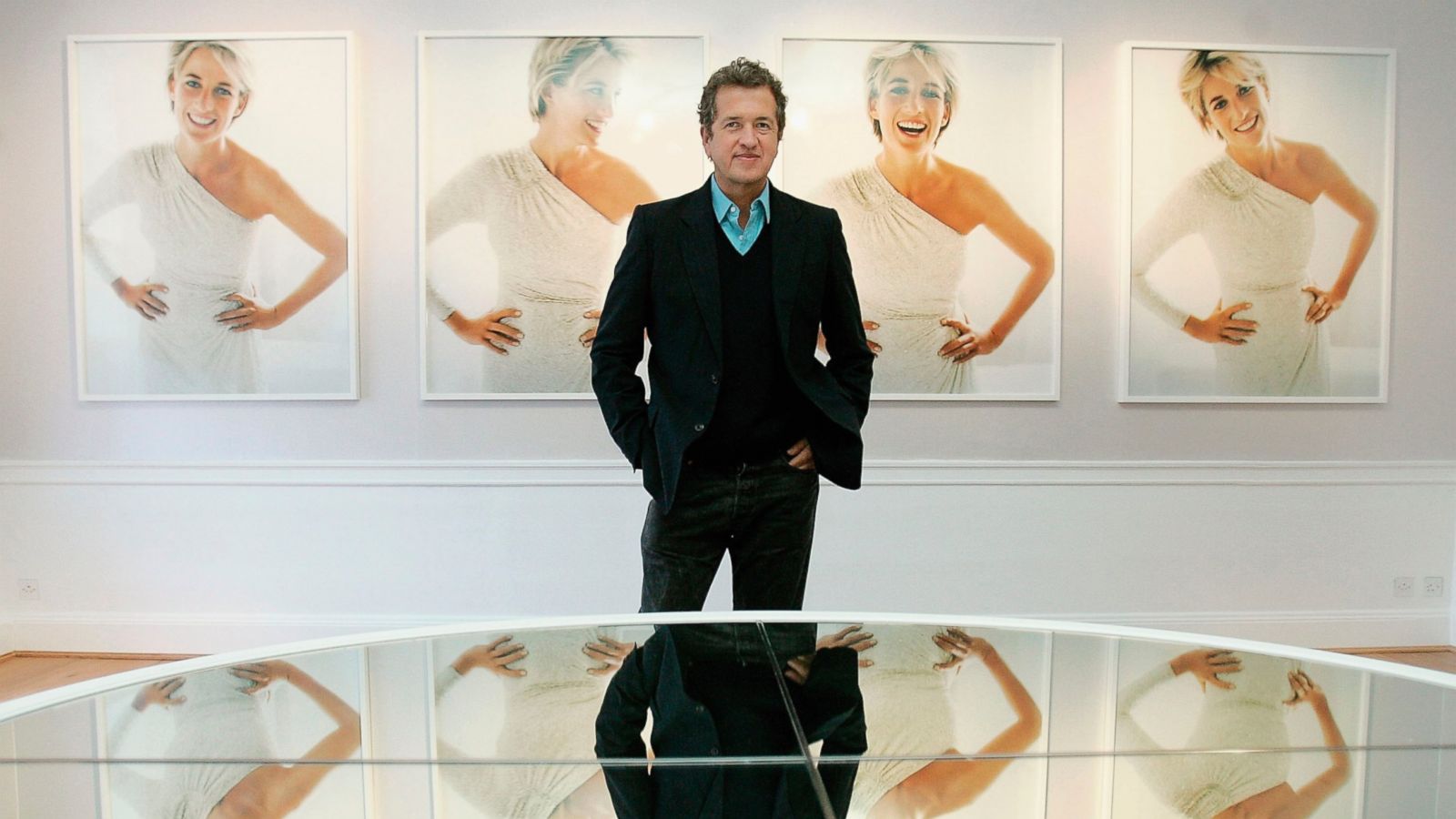
The prince’s living environment at Eton respects the institution’s tradition, which allows each student to personalize their personal space within certain limits. On his wooden desk, the prince has placed a discreet yet central tribute to his mother: an official black-and-white portrait of Princess Diana, taken by Mario Testino in 1997. This maternal presence is complemented by a book dedicated to the photographer, resting on a nearby piece of furniture. This reminder of his family’s legacy sits alongside items far more familiar to an eighteen-year-old. Behind the desk, a patterned wall hanging serves as a personal bulletin board. In the center, Harry has pinned a magazine clipping featuring actress Halle Berry in a red dress, surrounded by other photos of models in bikinis and swimsuits taken from the press of that era.
The living space reflects a certain eclecticism. An English flag—the St. George’s Cross—is mounted on the wall, affirming a national identity that harmonizes with the more conventional family photographs featuring Prince Charles and Queen Elizabeth II. Other, more spontaneous images capture moments of leisure: memories of ski vacations and scenes from polo matches played alongside his brother, Prince William. This blend of public and private imagery paints a visual portrait of a prince who, while honoring his roots, embraces the visual language of his generation.
Between Tradition and Teenage Life
The series of photographs also highlights the everyday objects that shaped the prince’s life at the dawn of the new millennium. On his shelves, one can spot a compact stereo system, typical of the era with its dual cassette deck and separate speakers. Among his toiletries, a can of Lynx deodorant (known as Axe outside the United Kingdom) sits next to a toothbrush and toothpaste, reminding us that behind the title lies a boarding student subject to the same routines as his peers. The desk lamp and scattered mugs suggest the long hours of studying leading up to final exams.
The feature also captures Harry in moments of domestic and institutional life. He is seen sitting on his bed, busy polishing his Combined Cadet Force (CCF) military boots, or making toast. The presence of Rosie and Jenny, his housemaster’s two spaniels, adds a touch of domestic warmth to the apparent austerity of the boarding school. In these scenes, he wears the traditional Eton uniform: a black tailcoat over a matching vest, a stiff white wing collar, a bow tie, and the famous striped trousers. This unchanging outfit contrasts with the relative disorder of the room, creating a visual tension between the weight of the institution and the spontaneity of youth.

A Curriculum Marked by Excellence and Duty
The prince’s life at Eton was not just about interior design; it marked a crucial academic milestone. Harry completed his A-Levels on June 12, 2003, bringing to a close five years of education at one of the world’s most prestigious schools. Although the exact tuition fees paid for his education between 1998 and 2003 were not disclosed, the cost of attending Eton remains a marker of exclusivity. By way of comparison, when these records resurfaced in the media in 2018, boarding fees amounted to approximately $17,450 USD per term (or roughly €14,900 at the exchange rates at the time).
This educational period, described on the royal family’s official website as a time of preparation for future service, was followed by a gap year. The 2003 photo essay, although staged and approved by the royal press office to present a controlled image, remains one of the few records showing the prince’s work and leisure environment before he entered active public life and his subsequent military service.
A Digital Echo of a Bygone Era
More than a decade after he left Eton, these archives found an unexpected second life on social media. In August 2018, the reposting of photos of the prince’s bedroom sparked a viral reaction, even reaching Halle Berry herself. The actress, upon discovering her portrait cut out on the teenage prince’s wallpaper, reacted publicly on her verified Twitter account. With a touch of humor, she called out the prince, quoting lyrics from Missy Elliott’s 2002 song “Work It”: “Ok #PrinceHarry, I see you! 🤣 #HalleBerryPosta @MissyElliott.”
This digital nod highlighted the timeless nature of these images, which capture a specific moment in pop culture. While the degree of spontaneity in the setting and the visible clutter in the photos may be debated—given that this was an official public relations event— the authenticity of the objects—from the stereo to the Lynx deodorant—offers a sociological glimpse into the life of a young man from British high society at the turn of the century. Prince Harry’s room at Eton thus remains a time capsule, bearing witness to an era when magazine posters and cassette players were still the cornerstones of teenage identity, even within the most conservative institutions.