Make Texture a preferred source on Google to support us
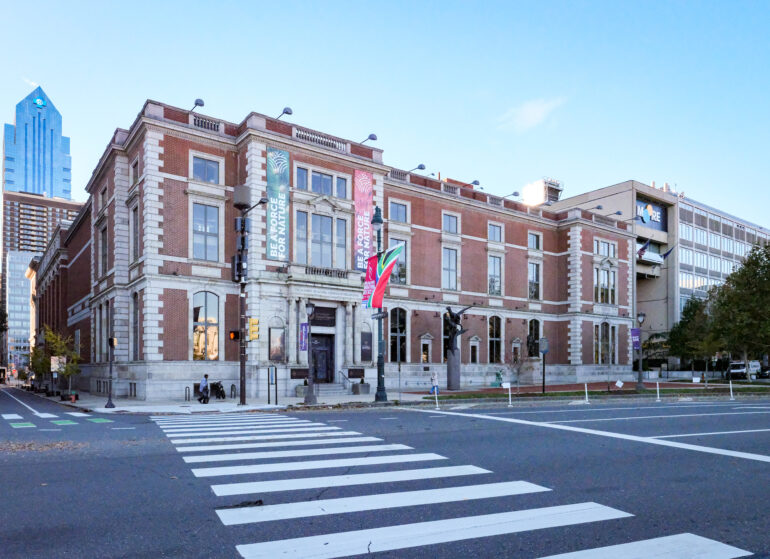
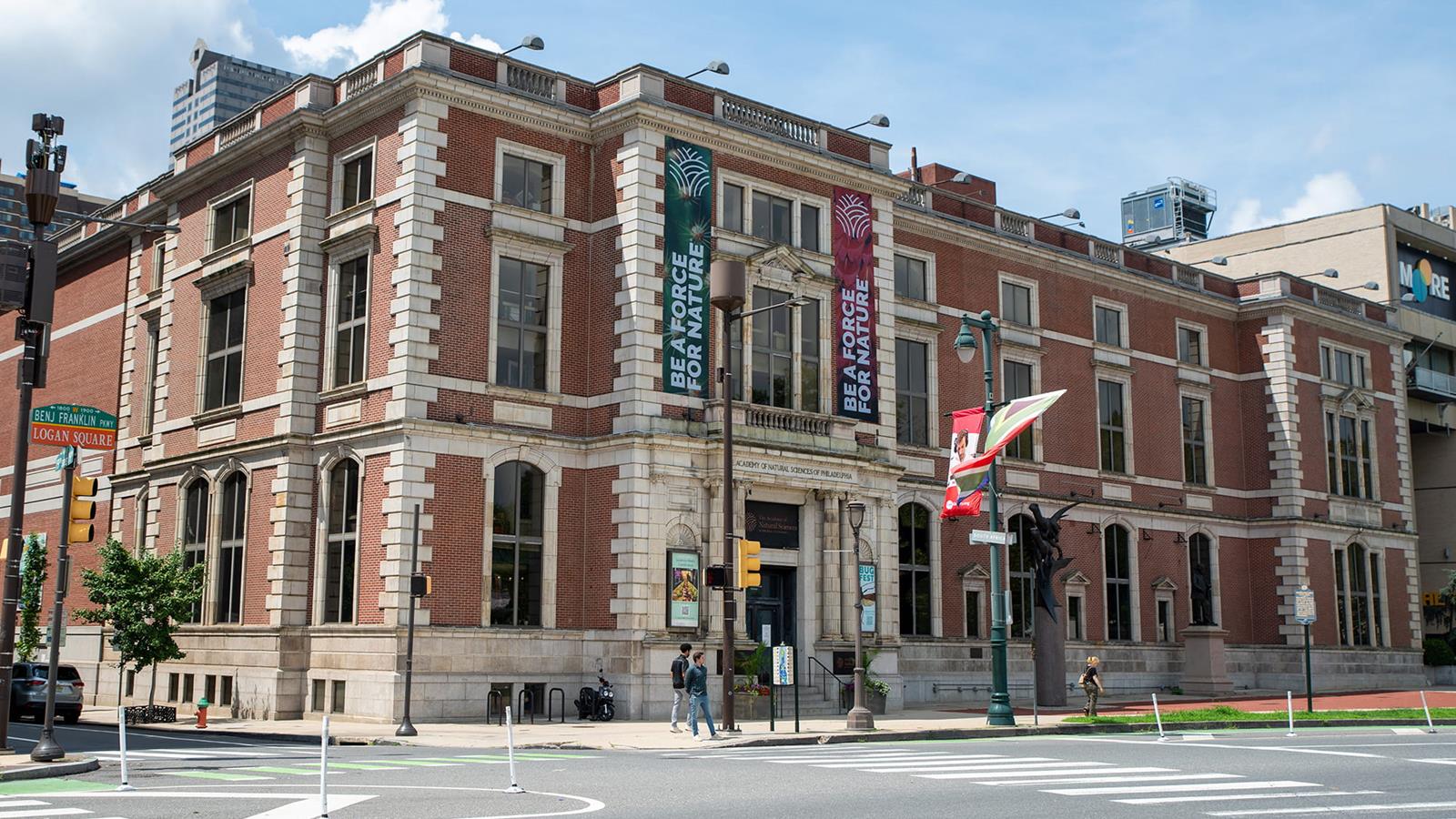
Add Texture to GoogleOn the Benjamin Franklin Parkway, one of Philadelphia’s most prestigious thoroughfares, the silence has become deafening. On September 27, 2026, the doors of the Academy of Natural Sciences of Drexel University (ANSP) closed to the public, bringing an end to nearly two centuries of uninterrupted access to knowledge. For enthusiasts of institutional design and scientific heritage, this abrupt closure represents more than just the loss of a museum; it marks a rupture in the cultural history of the Americas. Founded in 1812 by seven visionary naturalists, the Academy is the oldest natural science research institution on the continent. Behind its imposing facade on Logan Square, it houses a treasure whose value transcends mere monetary terms: more than 19 million specimens, ranging from the historic herbariums of the Lewis and Clark expedition to the bones of the famous Hadrosaurus foulkii, the world’s first mounted dinosaur in 1868. Today, this sanctuary of knowledge is at the center of a political and financial battle that calls into question the place of culture in the face of real estate interests.
A Sudden Twilight for Natural History
The announcement of the closure sent shockwaves through the community. On September 1, 2026, a joint statement from Drexel University—with which the Academy has been affiliated since 2011—and the institution’s board of directors sealed the fate of the public museum. The notice period—barely thirty days—was deemed derisory by the scientific community and local residents. While research missions and collection management are officially being maintained under the university’s auspices, the exclusion of the public raises questions about the sustainability of this heritage. How could an institution that was preparing to celebrate 200 years of public access in 2026 have fallen into obscurity so quickly?
The Philadelphia City Council’s response was swift. Under Resolution No. 260737, an investigation was entrusted to the Legislative Oversight Committee, chaired by Councilman Isaiah Thomas. The goal is clear: to understand the chain of events that led to this situation. The first public hearing, on October 26, 2026, was marked by palpable tension. The physical absence of Antonio Merlo, president of Drexel University, forced the committee to take a tougher stance by issuing subpoenas. It was only under the threat of these subpoenas that the university’s leaders finally came forward on November 16, revealing the deep rifts undermining the institution’s leadership.
Drexel vs. the Academy: The Story of Two Irreconcilable Visions
Antonio Merlo’s testimony before the commission presented a version of events that the Academy’s leadership vigorously disputes. According to the president of Drexel University, the closure of the public museum had been presented as “inevitable” by Academy executives as early as September 2025. Even more troubling, he claimed that the board of directors was considering relocating the precious collections to destinations as far away as Cleveland or Abu Dhabi, in the United Arab Emirates. These statements paint a picture of an institution ready to liquidate itself in the face of adversity.
However, the response from Suzanne Biemiller, chair of the Academy’s board of directors, offers a very different perspective. While she acknowledges that exploratory discussions took place with external partners to address an unprecedented crisis, she rejects Merlo’s interpretation. According to her, it was the university president who, as early as the fall of 2025, demanded a radical plan: to relocate the collections and sell the historic building by January 2028. This clash of accounts reveals a conflict of values between a university seeking to streamline its assets and a cultural institution fighting for its survival at its historic site.
The Paradoxes of a Glass Empire with Empty Pockets
An analysis of the figures reveals a paradoxical financial situation, symptomatic of the difficulties faced by major contemporary cultural institutions. For fiscal year 2024, the Academy reported expenses totaling $24 million, against revenues of $18 million. This operating deficit was covered by an $8.3 million grant from Drexel University. On paper, the institution appears solid: its balance sheet shows more than $110 million in assets. But the reality is more complex. Of this amount, only $1.46 million is actually available in cash for day-to-day operations. The rest is tied up in designated funds, restricted assets, or, specifically, in the building at 1900 Benjamin Franklin Parkway.
The true extent of the museum’s annual deficit is also the subject of heated debate. Estimates vary considerably, ranging from less than $1 million to more than $6 million, depending on the sources and calculation methods. This lack of accounting transparency fuels concerns about the institution’s management. Amid this budgetary turmoil, human capital is the first to be sacrificed: the number of research curators has dropped from eleven to five, and positions in the invertebrate paleontology departments have not been renewed, weakening the Academy’s ability to fulfill its primary mission of pursuing research excellence.

The specter of a real estate deal in Logan Square
For many observers, including the Save the Academy collective, financial reasons are merely a smokescreen masking an aggressive real estate strategy. The term “land grab” is openly used by some elected officials. The Academy’s building, ideally located, is a prime target for redevelopment into high-end housing or condominiums. Although no formal development proposal has been submitted to date, the possibility of a sale by January 2028—raised during the hearings—looms as a threat over Philadelphia’s urban landscape.
The fate of the 19 million scientific specimens is also a source of concern. Although Drexel officials assert that maintaining the collections remains a priority, the idea that herbariums dating back to Thomas Jefferson’s time or unique fossils might one day leave U.S. soil to join private or foreign collections is fueling strong public concern. The disappearance of fossil preparators and the drastic reduction in collection management staff only serve to heighten this sense of cultural heritage erosion.
Toward a Conditional Preservation Plan
Faced with this urgent situation, potential solutions to the crisis are beginning to emerge in November 2026. Philanthropy, a pillar of American culture, is attempting to take the lead. A consortium of leading foundations, including the William Penn Foundation, the Connelly Foundation, the Philadelphia Foundation, and the Hamilton Family Charitable Trust, has committed to funding a one-year feasibility study to determine the conditions for a sustainable reopening. This initiative aims to break the cycle of hasty decisions and build a viable economic model.
Local political leaders are also seeking to put safeguards in place. Members of the city council are considering allocating a recurring annual budget of $2 million to support the museum’s operations. At the same time, legislative measures are being considered: a targeted increase in the local sales tax or the creation of a working group dedicated to the reopening are under review. Even more radically, the city council could amend the site’s zoning regulations to prohibit any conversion to private residential use, limiting the building’s use to cultural or community purposes. This would signal that, for Philadelphia, natural history cannot be traded for a few luxury residences.