Make Texture a preferred source on Google to support us
Add Texture to GoogleToday’s traveler no longer seeks simply a place to eat, but an immersive experience. In the global cities that set the pace for worldwide trends, the line between cultural institutions, design labs, and culinary spaces is blurring, giving way to hybrid experiences. From Tokyo’s minimalist, mineral-inspired design to Berlin’s secret gardens, aesthetics and taste now merge to create holistic living spaces. This season, six new venues are redefining the geography of pleasure, proving that gastronomy is, above all, a matter of context, materials, and architectural vision.
Art as a Way of Life: From Berlin to Paris
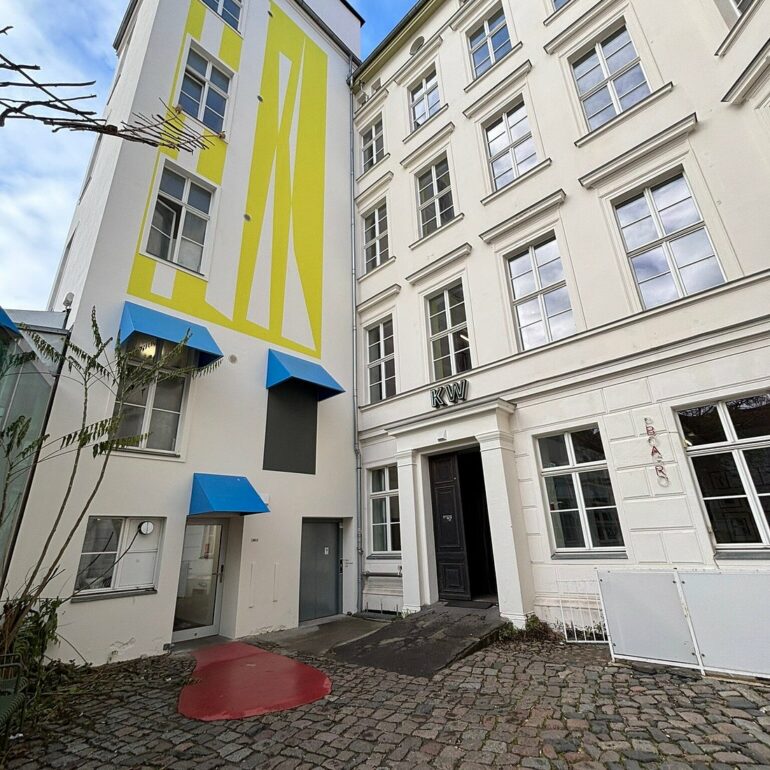
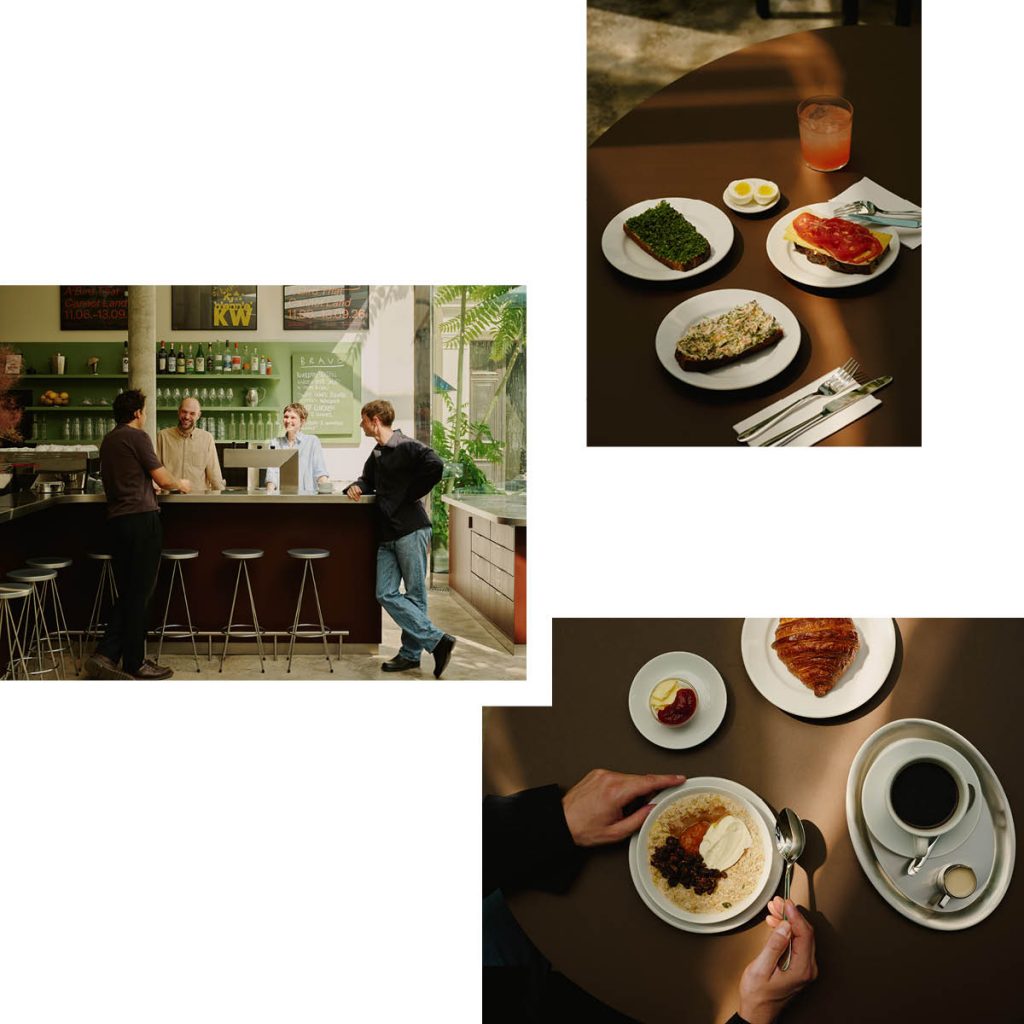
In Berlin, the story begins in the courtyard of the KW Institute of Contemporary Art. In 1998, for the city’s first Biennale, American artist Dan Graham installed a glass pavilion there—a habitable sculpture designed to play with reflections and transparency. Nearly thirty years later, this architectural gem, known as Bravo, is enjoying a new lease on life. The transformation is not only aesthetic but above all culinary, driven by a collective that has already won over the creative circles of the German capital with restaurants like Otto and Trio. Clemens Roesch, Eva Alken, Sören Zuppke, and Vadim Otto Ursus are infusing the space with a whole new kind of daytime energy.
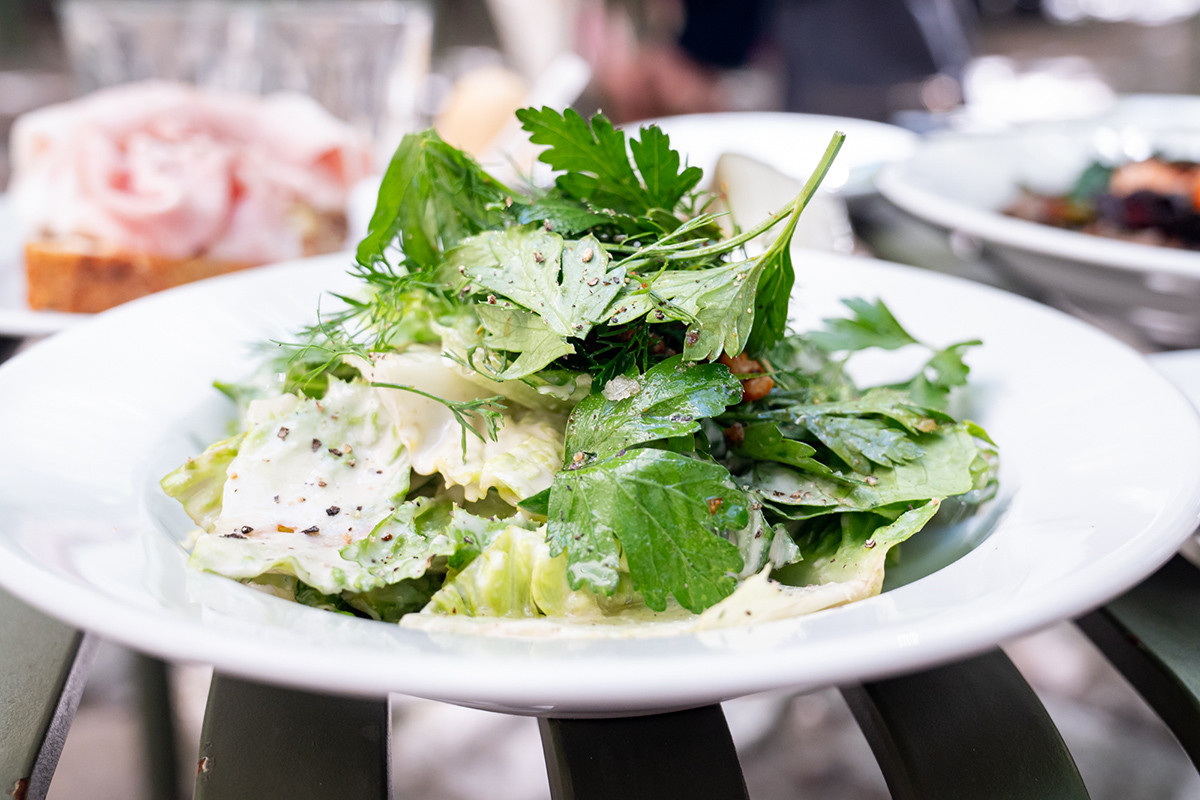
Bravo’s menu eschews the easy labels of “local cuisine,” opting instead for an approach centered on the raw regional character of the ingredients. Starting in the morning, sprouted oat muesli is paired with hazelnuts and seasonal compotes. At lunchtime, simplicity becomes a luxury: open-faced sandwiches with Heggelbach cheese topped with fresh tomatoes or Vienna sausages served with a goulash sauce. It’s a cuisine that respects the tranquility of the glass pavilion, sourced from a network of local producers who share this same quest for authenticity in their products.
In Paris, another institution celebrates this marriage of high culture and hospitality. At the Fondation Cartier, Chef Anne-Sophie Pic is launching Utopic, a speakeasy-style bar that breaks the mold. The interior design was entrusted to Agence Moinard Bétaille, whose expertise was honed through the design of hundreds of Cartier boutiques around the world. The space features the brand’s signature elements of prestige: orange leather seating, marble floors, and light oak accents. For Anne-Sophie Pic, this project is the culmination of a fascination that began in 2008 during a trip to Japan. Captivated by the buzz and subdued lighting of Tokyo’s cocktail bars, she has recreated that intimate atmosphere here, bridging the gap between the fashion industry and the art of mixology.
A Sensory Journey in the Heart of Tokyo
In Tokyo’s Tomigaya neighborhood, the Sanva perfume brand takes this stylistic exercise even further with the opening of its first flagship store. Under the creative direction of Yusuke Nagai, founder of the Vacant/Centre cultural complex, the space was designed by Fumiya Yoshiyama to awaken the five senses. It’s not just a store—it’s a sensory manifesto spread across two levels. On the ground floor, a café bathed in neutral tones welcomes visitors with an almost monastic serenity. Naturally dyed curtains, orb-shaped light fixtures, and hand-carved wooden furniture lend the space an organic and tactile quality.
The experience continues upstairs, where you’ll discover the brand’s range of oils, mists, and soaps, all situated next to a discreet gallery. At Sanva, you can savor a slice of lemon tart on a blue ceramic plate while taking in the shop’s fragrant aromas. This contrast between a raw, almost rough design and the fluidity of meticulously precise service perfectly illustrates Tokyo’s new scene: a luxury that doesn’t shout, but is felt through every texture.

Kuala Lumpur: From Morning Sweetness to Nighttime Embers
The DouDou Bake phenomenon, which has been taking Kuala Lumpur by storm since 2020 with its chocolate tarts infused with Tie Guan Yin oolong tea, is branching out to a new location. Nestled in the hills of the upscale Mont Kiara neighborhood, Hillside DouDou embraces duality. By day, the spot operates as a high-end bakery. People come for classic croissants or for their famous shiopan, the Japanese-inspired salted bread that has the whole city buzzing.
Yet it’s at nightfall that the venue reveals its most daring side, transforming into Glou Glou. In collaboration with Atelier Binchotan, a restaurant specializing in wood-fired cuisine, the space becomes a steakhouse with character. The menu showcases aged meats seared over charcoal, such as Uruguayan Angus beef. To cap off this primal feast, the menu offers a curiosity that defies convention: bone marrow ice cream. A radical offering that attests to the gastronomic maturity of the Malaysian capital.
London and Copenhagen: The Art of Cultural Importation
Coffee culture, by its very nature nomadic, is finding new resonance in London. Cup of Joy has chosen to set up shop in Marylebone. Founded in Istanbul in 2013, this brand was one of the pioneers of specialty coffee in Turkey. After conquering seven neighborhoods in Istanbul, it has opened a location at 28 Blandford Street with a refined aesthetic. The interior, dominated by terracotta and oak paneling, offers a warm refuge from the hustle and bustle of London. This move from Istanbul to London proves, if proof were needed, that the quest for the perfect bean knows no borders and adapts elegantly to Anglo-Saxon design sensibilities.
Finally, in Copenhagen, the cocktail is being reinvented in an unexpected format. Canned Mary is the result of a collaboration between two Danish enthusiasts and designer Åsmund Sollihøgda. The idea: to capture the essence of the Bloody Mary in a can with an iconoclastic design, featuring subverted religious imagery. The contents live up to the packaging: organic tomato and lemon juice sourced from a local producer, vodka from Nyborg, enhanced by the essential Cholula and Worcestershire sauces. For those seeking a healthier option without sacrificing flavor, a Virgin Mary version rounds out the lineup. Yet another demonstration that ready-to-drink beverages can also be a matter of craftsmanship and sophisticated graphic design, rooted in the Scandinavian terroir. Every sip, every bite, and every space described here is part of the same movement: that of a global culture that draws on local details to better surprise us.