Make Texture a preferred source on Google to support us
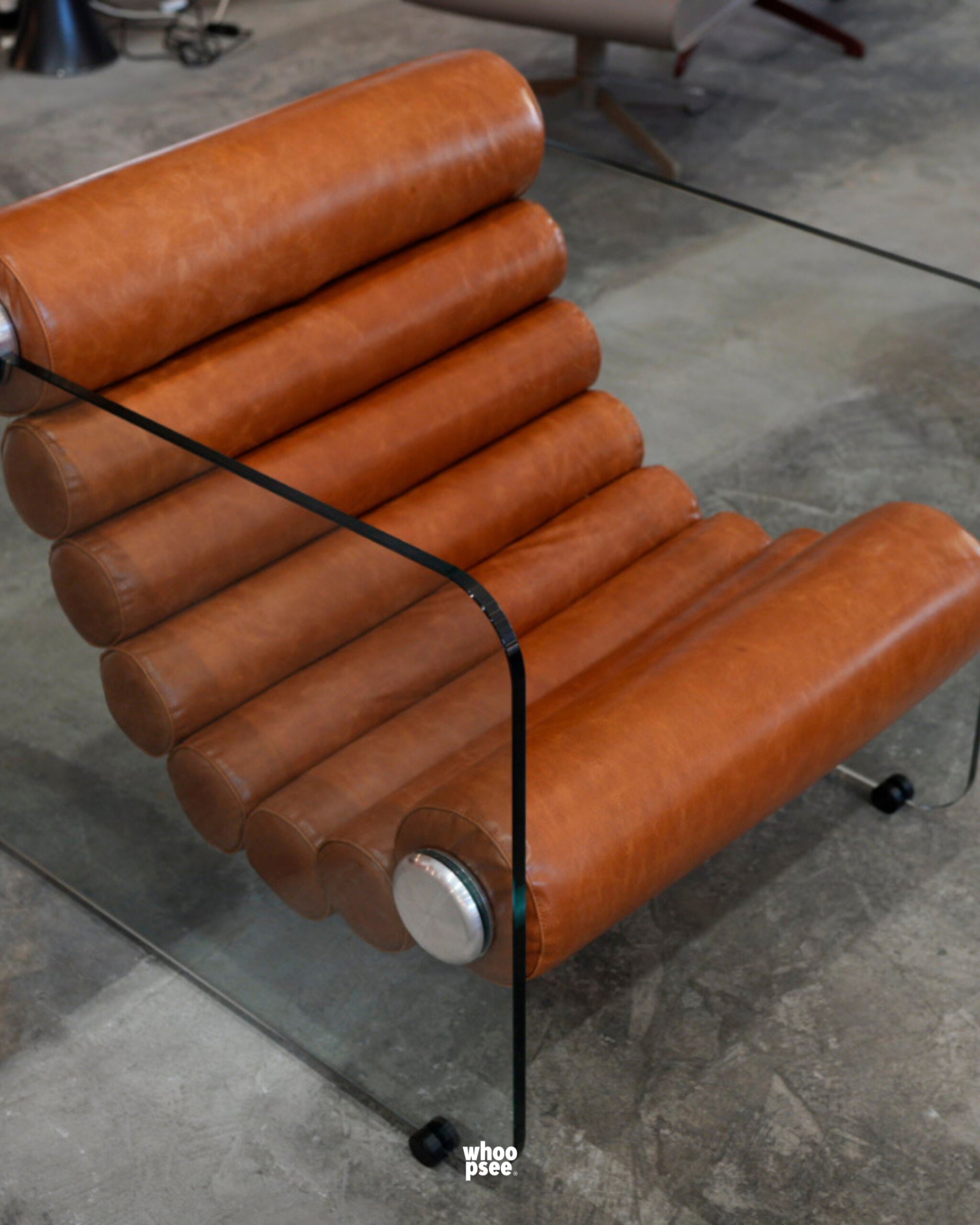
Add Texture to GoogleInterior design today suffers from a formidable degree of standardization. Algorithms dictate neutral color palettes, understated lines, and an overall aesthetic that ultimately strips the home of its character. In the face of this domestic monotony, acquiring a piece of 20th-century furniture stands out as a necessary break from the norm. For the contemporary buyer, it is no longer a matter of laboriously reconstructing the rigid decor of a bygone era. The approach has changed in nature. The introduction of an armchair with radical lines, a table with unexpected proportions, or a sculptural lamp is now enough to disrupt the predictability of a room. It is the search for this visual surprise, this material singularity, that is currently reshaping the contours of the historic furniture market.
This shift in practices and perspectives forms the foundation of SOMO, the fair dedicated to “modernariato,” which will hold its sixth edition on November 14 and 15, 2026. The event will be held at Superstudio Più, located on Via Tortona, the epicenter of design-related events in the Lombard capital. More than seventy exhibitors, coming from all over the Italian peninsula, will showcase a carefully curated selection spanning four decades of design, from the immediate postwar period to the experimental trends of the late 1980s.
The Maturity of a Traveling Event
The choice of Milan marks a strategic expansion for the event. When it first began in 2024, the event took root in the province of Bergamo, occupying the raw, industrial walls of the former Spazio Fase complex in Alzano Lombardo. While this setting resonated particularly well with the region’s manufacturing past, the move to Milan was driven by a need for greater accessibility. By moving to Via Tortona, the fair connects directly to the international networks of collectors, influencers, and foreign buyers who naturally gravitate toward Milan.
This geographical shift is accompanied by a notable broadening of the visitor profile. The fair’s founder, Francesca Buliani, observes a demographic shift in the aisles. The exclusive circle of interior designers and long-time collectors, which had long made up the majority, is being disrupted by the arrival of a younger generation. These newcomers approach antique furniture without nostalgia. They are driven by a taste for bold colors and assertive lines, and embrace a complete blending of eras. For this audience, placing a 1960s chair in the midst of an ultra-modern interior is a matter of course.
Scientific Rigor and Traceability
The massive appeal of upcycling and secondhand furniture comes with its share of pitfalls. The patina of time alone cannot justify a piece of furniture’s appeal or financial value. It is on this fine line that the organization intends to set itself apart. The selection of pieces on display is based on authenticity and the ability to link an object to a specific designer or a well-documented movement. This is the very definition of “modernariato”: it involves excluding the vast majority of objects that are merely aging or purely decorative, in order to focus on pieces with historical significance.
This uncompromising approach stems directly from Francesca Buliani’s background. Before heading this fair, she honed her eye through work in cultural heritage conservation and restoration. This technical training translates into an almost clinical analysis of the objects on display. The attention paid to wood species, metal alloys, assembly methods, and provenance serves as the filter through which each exhibitor is evaluated. The event thus positions itself as a space not only for transactions but also for learning, where the discerning collector meets the enthusiast preparing to make their very first purchase.
From Postwar Elegance to Radical Break
The exhibition, scheduled for fall 2026, charts the course of Italian ingenuity without limiting itself to it. The galleries of Superstudio Più will showcase the designers who defined modern domestic design. Visitors will encounter the structural rigor of Osvaldo Borsani, the taut lines of Ico Parisi, and the absolute, multifaceted elegance of Giò Ponti.
The spectrum extends to postmodern breakthroughs, with the announced inclusion of works associated with Gae Aulenti and Ettore Sottsass. The transition from the dark woods of the 1950s to the vibrant laminates and subversive geometries of the 1980s illustrates the diversity of the approaches on display. To avoid confining the event to a purely museum-like or elitist framework, the selection incorporates a wide variety of types: lighting fixtures, side tables, seating, and small office accessories sit alongside large sideboards. This diversity of scales makes it possible to cater to a range of budgets.
The Test of Reality Against Digital Illusion
The abundance of virtual catalogs has radically transformed the research phase. Yet the flat screen flattens volumes, distorts scales, and masks imperfections. The Milan fair underscores the imperative need for physical interaction with the object. Assessing the tension of leather, checking the smooth operation of a drawer, and examining the nature of a repair or an antique restoration are steps that cannot be done remotely.
This material caution applies with particular acuity to antique lighting fixtures. Scrupulous inspection of the wiring and electrical installation remains a non-negotiable prerequisite before any transaction. Furthermore, the frenzy surrounding certain designer brands calls for rationality. A price that is constantly rising is by no means a guarantee of future profitability. Acquisition must take precedence over speculation; the goal is to incorporate a piece into one’s daily life.
An Editorially Curated Selection
To organize this substantial number of exhibitors, the 2026 edition is introducing a new space called “Gallery.” Curated by architect Nicola Quadri, this section features a carefully curated selection of eight galleries. The goal is to move away from the traditional format of rows of booths to offer a true scenographic experience, conceived as an editorial project. The visual atmosphere will be enhanced by a floral installation designed by Marinella Rossi.
This specific staging illustrates the desire to restore context to the furniture. Isolating a piece within a space designed specifically for it allows visitors to appreciate its complexity. This provides dealers with an opportunity to fully fulfill their role as interpreters, explaining the origins of a form, the reasons behind a specific patina, or the validity of an attribution, thereby transforming the act of purchasing into a dialogue about the history of design.
The event will open its doors to the public at 27 Via Tortona on Saturday, November 14, 2026, from 10 a.m. to 7 p.m. The following day, Sunday, November 15, the event will be open from 10:00 a.m. to 6:00 p.m. A preview, reserved for industry professionals and invited guests, is scheduled for Friday, November 13. Details regarding admission and ticketing should be obtained from the organizers as the event approaches.