Make Texture a preferred source on Google to support us
Add Texture to GoogleA bag fresh off the production line no longer automatically ends up on the arm of the woman who bought it. Matthieu Blazy’s appointment as Chanel’s creative director has sparked a craze that goes beyond mere stylistic approval and ventures into the realm of financial speculation. At the heart of this frenzy, a purchasing dynamic is taking shape, raising a fundamental question for the industry: Is the appeal of a collection measured by the media frenzy surrounding it, or by the reality of a clientele that intimately makes the clothing and accessories its own?
The case of the first pieces designed by the creator for the house on Rue Cambon perfectly illustrates this tension. Today, desirability goes hand in hand with a financial reality far removed from the romanticism of the runway. A segment of the clientele acquires these highly sought-after pieces not for their aesthetics, the pleasure of leather, or the craftsmanship, but with the cold calculation of making an immediate profit upon resale.
The premium for scarcity on the secondary market
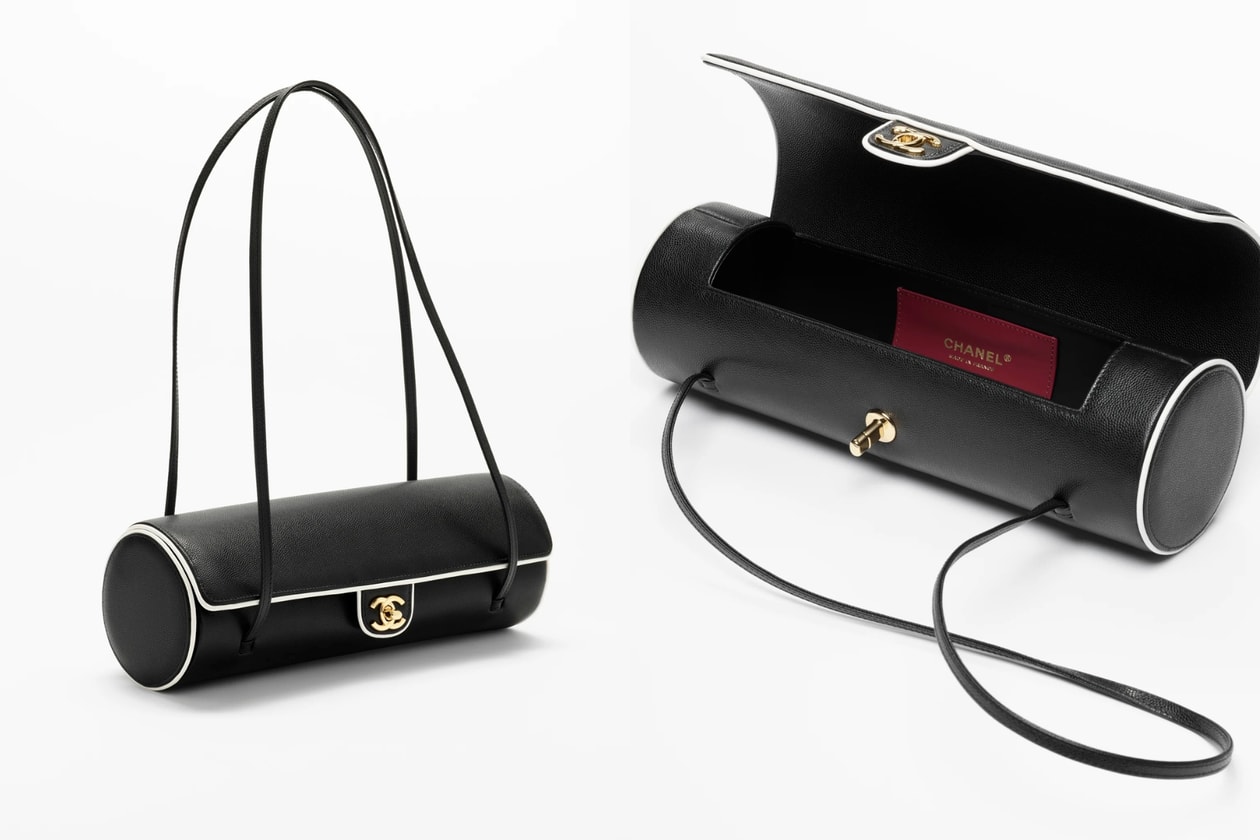
Observing the behavior of players specializing in the secondhand market reveals the scale of the phenomenon. Data from the Fashionphile platform—first analyzed by Glossy and then dissected by the Robin Report—shows spectacular purchase premiums. To get its hands on certain recent Chanel designs, the American company did not hesitate to pay up to 15% more than the price listed in official stores. The Souplissimo model, for example, saw its price rise by a 13% markup compared to its initial retail price.
However, these figures must be viewed in context. They reflect an aggressive purchasing strategy by a reseller seeking to secure inventory of highly sought-after items, rather than an overall average for the resale market. Fashionphile also points out that regular price increases applied in stores, coupled with highly controlled distribution of certain items, inevitably skew the comparison between new and secondhand goods. The Robin Report emphasizes the fundamental distinction between a spike in attention—fueled by influencers, celebrities, and critics—and a genuine, sustainable commercial momentum. Digital hype does not guarantee the development of a base of loyal female buyers.
The question of the enduring value of luxury arises here with particular urgency. The business model of a major fashion house has historically been based on a commitment to design, perfection in craftsmanship, and the idea of legacy. When short-term profit overshadows these concepts, the handbag undergoes a transformation: it ceases to be an accessory and becomes a volatile financial asset. A brand can captivate the public’s attention without necessarily triggering repeated purchases motivated by a love for the product.
The Mirage of Speculative Botany
In an attempt to describe this buying frenzy, the Robin Report draws on one of the most famous episodes in economic history: the tulip crisis that occurred in the Netherlands in the 17th century. The analogy is compelling for its dramatic nature, suggesting that an artificial bubble is inflating around Chanel leather goods, fueled by self-perpetuating speculative expectations before an inevitable collapse.
However, this historical parallel calls for some caution. The journal *History*, drawing on the in-depth research of historian Anne Goldgar, points out that the myth of tulip mania has greatly exaggerated the social devastation of the era. In reality, the surge in bulb prices remained confined to a small circle of affluent artisans and wealthy merchants, far from the widespread ruin often imagined. Applied to the contemporary luxury market, this nuance is crucial: a targeted overheating in the resale market, involving buyers with substantial capital, does not necessarily constitute a symptom of a broader economic imbalance for the brand.
The Dichotomy Between Popularity Metrics and Financial Health
The gap between social media buzz and actual sales figures is also evident in the industry’s major barometers. The Lyst Index for the third quarter of 2026 offers a striking snapshot of the battle for consumers’ attention. During this period, Chanel slipped to second place in the rankings, ceding the top spot to Prada, which saw a spectacular 55% surge in interest in its brand compared to the previous quarter.
This apparent drop in ranking, however, should be interpreted with caution. Lyst’s algorithms measure search queries, mentions, and digital signals of interest. They do not, under any circumstances, aggregate global revenue or the actual profitability of the fashion houses. Seeing Prada take the lead in terms of attention does not mean that Chanel is suffering a commercial setback, nor that Matthieu Blazy’s debut is in question. Search algorithms reward immediate volume, whereas the luxury sector is built on long-term financial performance.

Moreover, leaks regarding recent financial performance paint a very different picture. According to information from Bloomberg, reported by Reuters and attributed to a source familiar with the matter, Chanel reportedly recorded a jump of approximately 16% in like-for-like sales in the first half of 2026, with equally strong momentum specifically in the fashion division.
These half-year results have not been officially confirmed by the group, whose financial communication policy is traditionally limited to an annual report. As a reminder, the figures reported by Reuters indicated a slight 2% recovery in revenue in 2025, following a decline in fiscal year 2024. If the acceleration to 16% is confirmed for the first half of 2026, it would demonstrate genuine commercial strength, evolving in parallel with the upheaval in the influence rankings.
A Creative Chessboard and Behind-the-Scenes Moves Under Scrutiny
Matthieu Blazy’s arrival is part of a sweeping game of musical chairs that is redrawing the landscape of the luxury industry. The Robin Report notes that the sector is undergoing a narrative shift, seeking a new lease on life through multiple strategic appointments: Louise Trotter at Bottega Veneta, Maria Grazia Chiuri at the helm of Fendi, and the duo Jack McCollough and Lazaro Hernandez taking the reins at Loewe. Each brand is attempting to attract a new audience by revamping its aesthetic vocabulary.
But beyond style, it is the leadership structures that are drawing analysts’ attention. The Robin Report has speculated that changes within Chanel’s board of directors could be paving the way for a potential capital transaction. A careful review of official documents, however, dispels these rumors. The brand’s governance report, approved for the 2024 fiscal year, clearly details the distribution of powers and announces V. Shaw’s departure in March 2025. To date, there is no evidence to support the theory of a secret transaction or a structural change to the group’s independence.
The current frenzy surrounding Chanel’s new designs serves as a barometer of the tensions plaguing the industry. The skyrocketing prices on the secondary market prove that desire remains strong, but they also highlight a shift from use value to exchange value. Seeing a bag sell for more than its retail price validates a strategy of exclusivity, but it does not guarantee the loyalty of the customer base that will keep the brand alive in the future. The challenge for the coming seasons will not be whether the pieces resell well, but whether they will eventually be worn.