Make Texture a preferred source on Google to support us
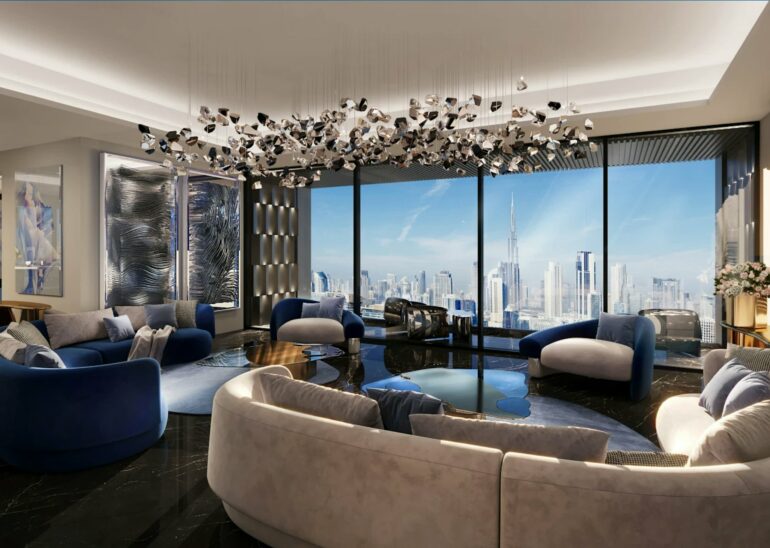
Add Texture to GoogleThree hundred seventy-one transactions in the span of six months. That is the number of residential properties sold for between 20 and 50 crore rupees in India during the first half of 2026. This figure, reported by analysts at Knight Frank, reflects a staggering 105% increase compared to the same period the previous year. Behind these high-end real estate statistics lies a tangible reality: these immense spaces, often spread over multiple levels, require interior design on an unprecedented scale. Long fragmented and reliant on strictly local craftsmanship, India’s high-end furniture sector is completing its transformation into a structured industry, attracting the interest of the world’s leading manufacturers.
Financial projections confirm this shift. Valued at $1.2 billion in 2025, the country’s luxury furniture market is projected to reach $1.3 billion in 2026, according to data from the IMARC Group. The trajectory points toward $1.8 billion by 2034, driven by steady annual growth of more than 4%. This momentum is not based on a mere fad, but on a profound transformation in the sociology of wealth across the subcontinent. The Capgemini World Wealth Report 2025 counts nearly 379,000 high-net-worth individuals in 2024—a population that has grown by 5.6% and whose total wealth has surged by nearly 9%. The demands of this clientele—who invest heavily, spending over 1.5 crore on their primary residence—are completely reshaping the interior design ecosystem.
The New Geography of Design
The mapping of this demand now extends beyond the traditional divide between major historic metropolitan areas. Admittedly, the Delhi-NCR region maintains overwhelming dominance in the residential segment, accounting for 57% of home sales priced above 4 crore in the first half of 2025, according to a joint study by CBRE and ASSOCHAM. The North, due to the nature of its spacious residences, remains the primary driver of orders for fully furnished homes. In the West, Mumbai continues to set the trends in ultra-luxury with its exceptional apartments. Overall, across the country’s eight major cities, properties priced above the crore mark accounted for half of all sales in 2025, totaling more than 175,000 units.
However, the real territorial upheaval is coming from the hotel industry. Driven by explosive domestic tourism—with more than 4.2 billion domestic trips recorded last year by Hotels magazine—the hospitality sector is reshaping the landscape. Openings of high-end properties account for 63% of new projects. Even more telling, data from Lodging Econometrics for the second quarter of 2026 identifies 163 luxury hotel projects in the pipeline, totaling nearly 30,000 rooms—a 48% jump in one year. What’s striking is the location of these projects: nearly three-quarters are in secondary cities such as Jaipur, Goa, Lucknow, Amritsar, and Guwahati. For furniture suppliers and interior designers, this shift poses a major logistical challenge, requiring them to ensure delicate deliveries and precision installations across a significantly expanded territory.
The Physical Presence of European Brands
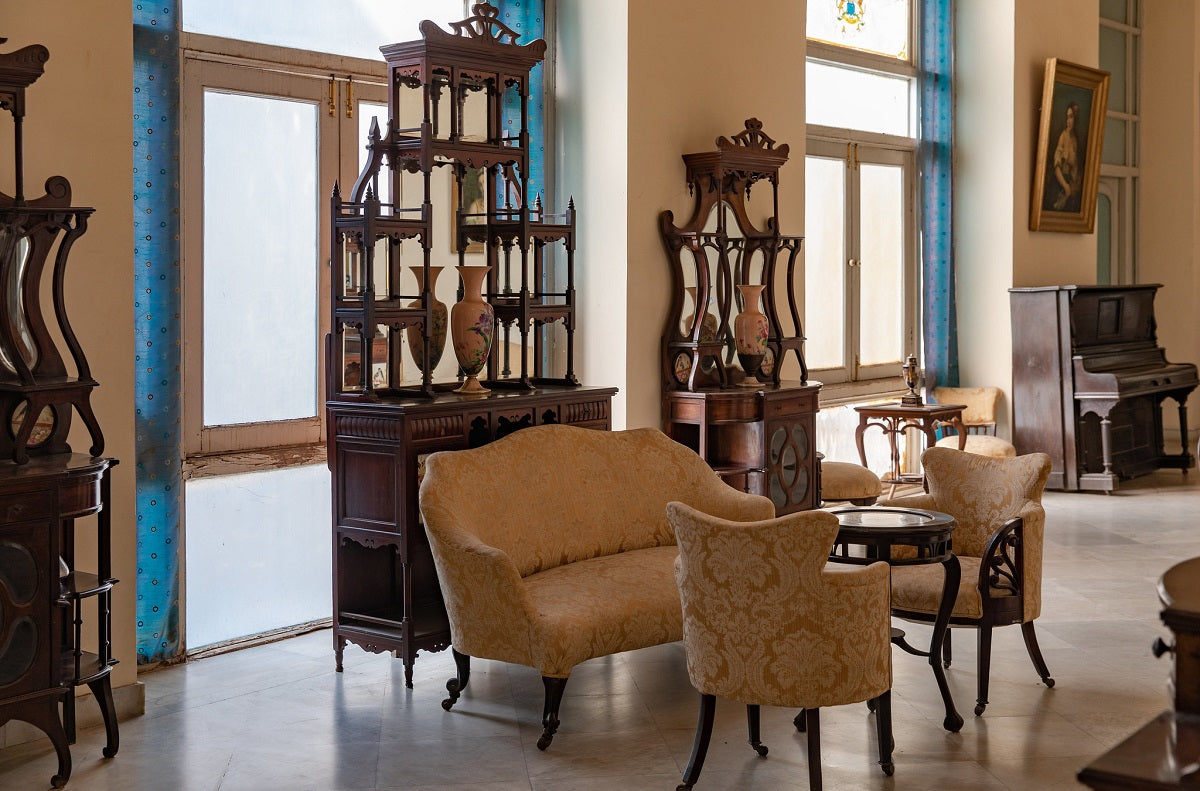
Faced with buyers who insist on experiencing the density of wood, the suppleness of leather, or the texture of fabric before investing substantial sums, online sales reveal their limitations. International brands have fully embraced this reality and are implementing a strategy to establish a physical presence through spectacular flagship stores. The goal is twofold: to reassure customers through a physical presence and to offer a personalized consulting experience.
The French brand Roche Bobois, for example, opened a vast two-story space in Hyderabad at the end of 2025. On the west coast, the Italian brand Molteni&C has set up shop in Mumbai, partnering with Vivono Designs—a local collaboration that streamlines its sales approach. More recently, in February 2026, Minotti unveiled its flagship store in Bangalore, publicly championing a fusion of the purity of Italian design and local aesthetic sensibilities. These specialty showrooms are becoming essential hubs in a market where both consumers and influencers seek modern or contemporary pieces that combine minimalist functionality with artisanal details.
Supply Chain Tensions and On-the-Ground Realities
However, the growth of this sector is not without its challenges. The high-end furniture industry remains extremely vulnerable to geopolitical and macroeconomic upheavals. The ongoing crisis in West Asia has severely disrupted supply chains, dealing a heavy blow to imports of solid wood, engineered panels, upholstery foam, and precision hardware. Domestic players such as Saraf Furniture have had to adjust their pricing structures to absorb the surge in shipping and raw material costs.

The market also remains closely tied to the health of the real estate sector, which can be volatile at times. The first few months of 2026 saw residential sales decline by 4% in eight major metropolitan areas, a contraction that Knight Frank attributes to uncertainties related to the situation in Iran. For its part, the Anarock agency reports a backlog of more than 600,000 unsold homes. Any slowdown in construction project completions automatically delays orders for interior design work.
Added to these external uncertainties is an internal structural constraint: training. In 2026, the Furniture & Fittings Skill Council painted a picture of an industry suffering from a chronic shortage of highly skilled labor for exceptional finishes. Priti International’s management also points out that local workshops and neighborhood carpenters still account for a massive proportion of the demand, sometimes hindering the consistent quality of large-scale interior design projects.
From Importing to Export Ambitions
While India attracts designers from around the world, it also aims to position its own players on the international stage. Studios and manufacturers such as Couchlane, Gharnish, Mobel Grace, and Mor Decor are sharpening their focus on customization and the quality of craftsmanship. Their prospects suddenly brightened in January 2026 thanks to the conclusion of a strategic trade agreement between India and the European Union. As noted by KPMG, this treaty is revolutionizing the customs landscape by eliminating import taxes into Europe that could add up to 10.5% to the price of Indian furniture made of wood, metal, bamboo, or artisanal crafts. High-end workshops now have an unprecedented competitive advantage to attract Western markets.
Domestically, another financial windfall is capturing everyone’s attention: luxury residential developments. The concept is literally booming in the country. Knight Frank’s 2025 report on this niche ranks India sixth globally in active projects, accounting for 4% of the global supply. For interior design firms capable of delivering a comprehensive concept on the scale of an entire residential tower, these contracts guarantee colossal recurring revenue and an exceptional showcase.
The subcontinent, therefore, is far from finished with its interior design projects. Demographic projections of wealth form the strongest foundation for this industry. The cohort of ultra-high-net-worth individuals, estimated at just over 13,200 people in 2023, will approach the 20,000 mark by 2028. This clientele is not content with furnishing a single primary residence but is making multiple acquisitions, commissioning increasingly sophisticated environments—piece by piece and custom-made.