Make Texture a preferred source on Google to support us
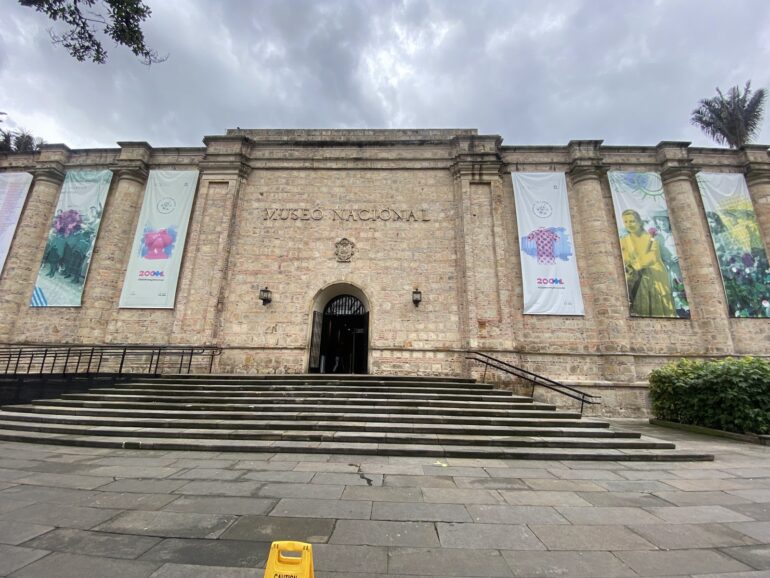
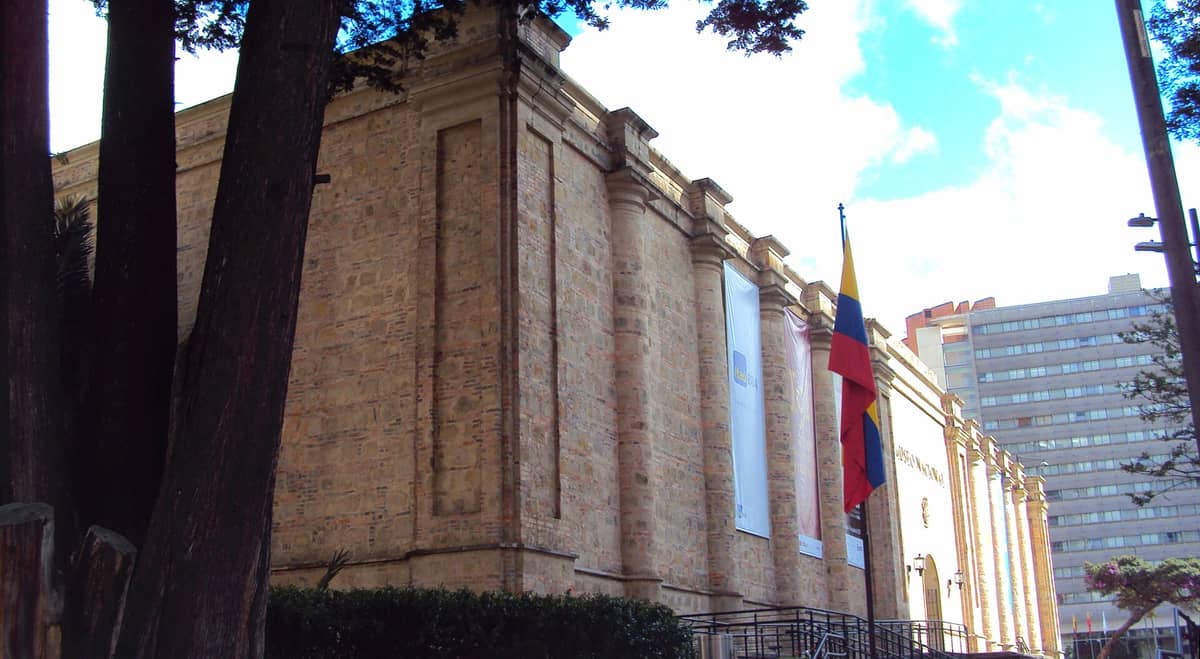
Add Texture to GoogleIn the hushed corridors of the Museo Nacional de Colombia in Bogotá, the galleries’ usual silence gave way this fall to the clamor of drills and the sudden emptiness of the picture rails. On October 15, 2026, a deinstallation operation of unprecedented scale transformed the bicentennial institution into the epicenter of a major ideological confrontation. Under the leadership of the new president, Abelardo de la Espriella, who took office on August 7 of that year, the government launched what it calls a “cultural counterrevolution,” aimed at purging public spaces of any trace deemed sympathetic to leftist activism or the legacy of the guerrillas. This offensive, which directly challenges the national narrative built up over decades, was abruptly halted by the courts, placing Colombia’s cultural heritage under strict judicial oversight.
Abelardo de la Espriella’s Ideological Break
The paradigm shift crystallized on October 15, 2026, during a presidential visit to the Ministry of Culture. There, Abelardo de la Espriella proclaimed the launch of a battle against what he defined as “wokism,” ordering his minister, Paola Holguín, to purge institutions of tributes that, in his view, constituted an “apology for terrorism.” The strongest signal of this takeover was the immediate renaming of the ministry: abandoning the name “Ministerio de las Culturas, las Artes y los Saberes,” established under President Gustavo Petro, the administration reverted to the more traditional “Ministerio de Cultura y Patrimonio.”
For the executive branch, this is not merely an administrative reorganization, but a mission to restore historical integrity. Paola Holguín justified these measures by asserting that the National Museum must no longer be an instrument of indoctrination or a platform for biased versions of history. This vision requires a systematic review of the content in all state-run museums, with particular attention paid to figures associated with revolutionary movements, such as Carlos Pizarro Leongómez, former commander of the M-19 and signatory of the 1989 peace accords, whose depictions are now banned from public spaces.
Chronicle of a Truncated Inventory
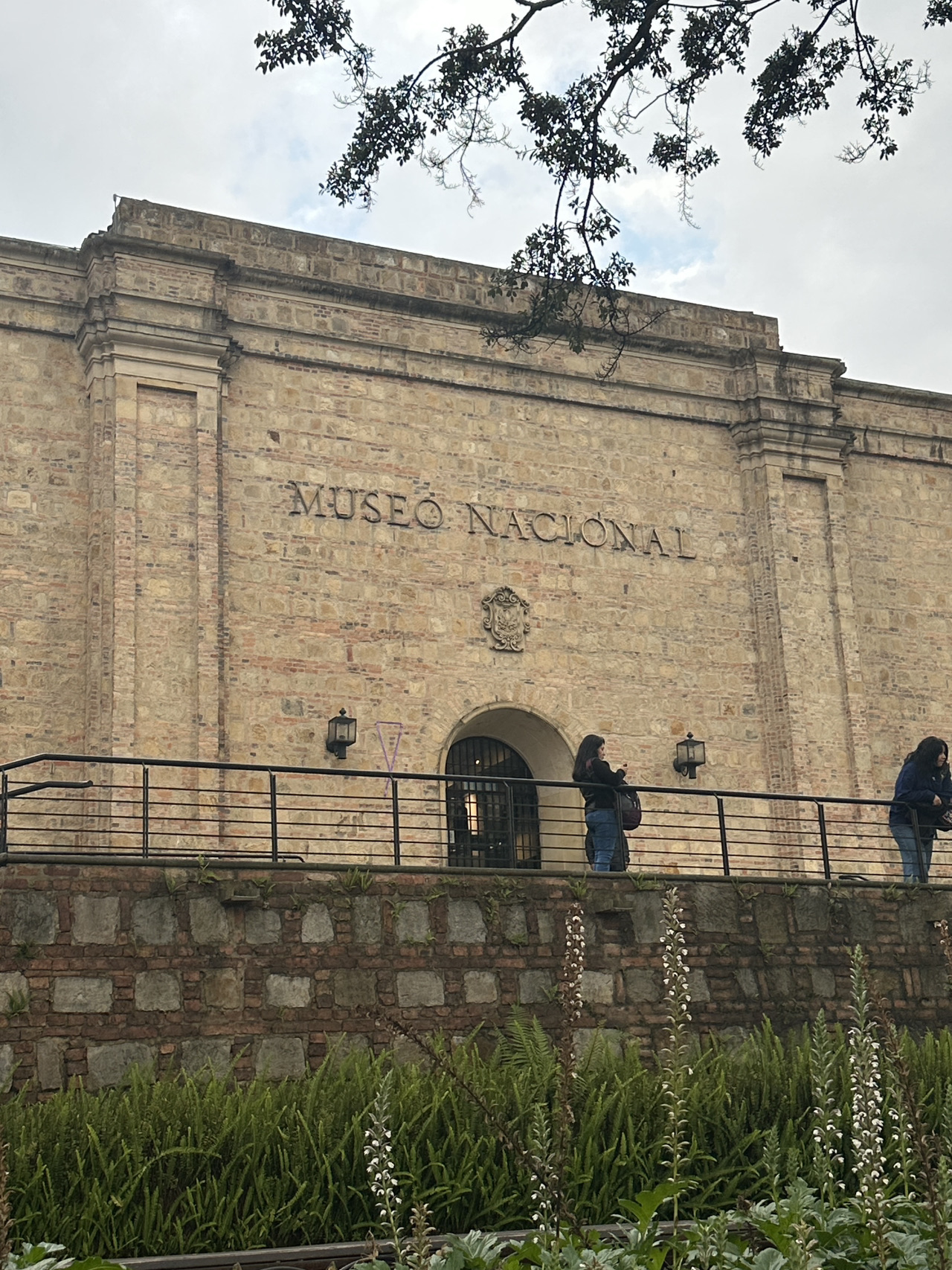
The operation at the Museo Nacional de Colombia was swift. While initial reports indicated that two or three galleries were affected, official documents later submitted to the courts reveal that the operation impacted 5 of the museum’s 17 galleries: “Memoria y Nación” (Gallery 7), “Hacer Sociedad” (Room 11), “Tierra como Recurso” (Room 13), “Ser y Hacer” (Room 15), and “Fuerza, Fe y Sustancia” (Room 17). Contrary to initial fears, the galleries were not completely closed to the public, but their layout was truncated, leaving empty spaces where key pieces of contemporary history had once been displayed.
There have been discrepancies regarding the exact number of items removed. The official inventories consolidated at the end of October 2026 list 63 objects that were removed. Of these, 22 have the legal status of cultural heritage assets, while the rest consist of facsimiles, educational exhibits, or items on loan. These objects were transferred to storage; the ministry refuted any accusations of their disappearance or destruction, clarifying that they are now in the museum’s technical custody pending redistribution or a new curatorial framework.
Symbols of Peace and Diversity Placed on the Blacklist
Among the items removed, some embody pivotal moments in Colombian democracy. This is the case with the “Balígrafo,” a pen made from a bullet casing, which was used during the signing of the 2016 peace agreement with the FARC. The removal of this object—a symbol of the transformation of violence into a diplomatic tool—has sparked strong emotions. The same is true of the original ballot from the “Séptima Papeleta,” the student movement that served as the catalyst for the 1991 Constituent Assembly, the founding document of modern Colombia.

The purge was not limited to peace processes. It also targeted representations of social struggles and minorities. Campaign posters of left-wing candidates assassinated in 1990, such as Bernardo Jaramillo Ossa and Carlos Pizarro Leongómez, have disappeared from storefronts. The narrative of diversity has also been erased: activist Elizabeth Castillo’s rainbow flag, copies of historic magazines such as *Nuestras Mujeres* and *La Ventana Gay*, as well as photographs of the first LGBTQ+ rights marches, were removed from the exhibition halls. Materials documenting the fight against violence against women have suffered the same fate, illustrating the government’s desire to redefine the boundaries of “heritage” by excluding recent identity-based and societal demands.
A Legal and Civic Response
The reaction was swift. As early as October 19, 2026, Bogotá’s 24th Family Court, hearing an emergency petition, issued a preliminary injunction. The judge ordered the government to halt any further removal of items without rigorous legal justification. This decision also imposes an obligation to strictly preserve the items that have already been removed, prohibiting any physical alteration. At the same time, the Special Jurisdiction for Peace (JEP) intervened to demand that the authorities provide a formal justification for the handling of archives documenting human rights violations, noting that these items constitute essential evidence for the rights of victims of the armed conflict.
On the streets, tensions escalated on October 17 and 18. Rallies formed in front of the museum, where riot police used water cannons to disperse protesters attempting to block traffic. The president of Espriella downplayed the protests, citing a figure of 62,000 demonstrators nationwide—a political estimate not confirmed by independent sources. In the cultural community, the outcry is nearly unanimous: six major art museums in the country and the national branch of the International Council of Museums (ICOM Colombia) have denounced an attempt at ideological censorship, emphasizing that curatorial autonomy is the guarantor of a pluralistic history, protected by the Constitution.
Former President Gustavo Petro strongly condemned these actions, calling them “censorship and looting” with fascist overtones. While the works are currently being preserved in state storage facilities under judicial supervision, the battle for control of Colombia’s national narrative has only just begun. Colombia’s Ministry of Culture remains committed to revising all museum exhibits, even as experts warn that these removals threaten the democratic balance enshrined in the 1991 Constitution.