Make Texture a preferred source on Google to support us
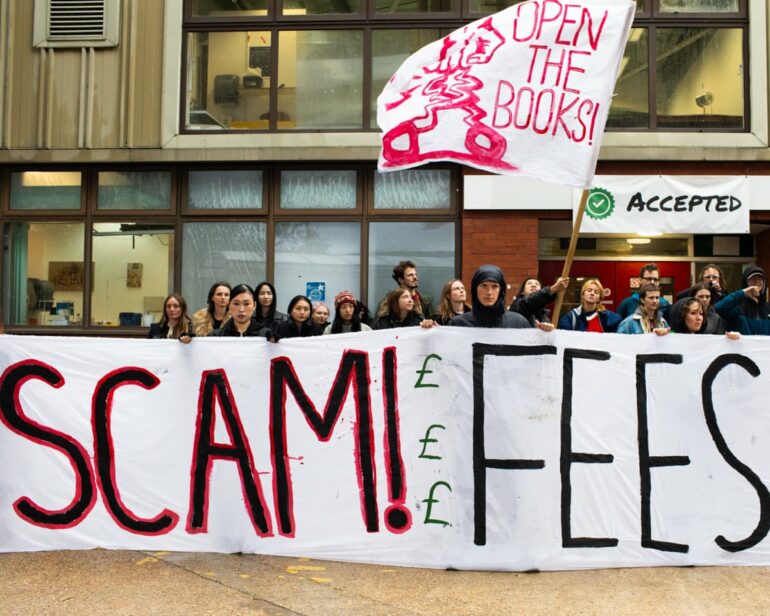
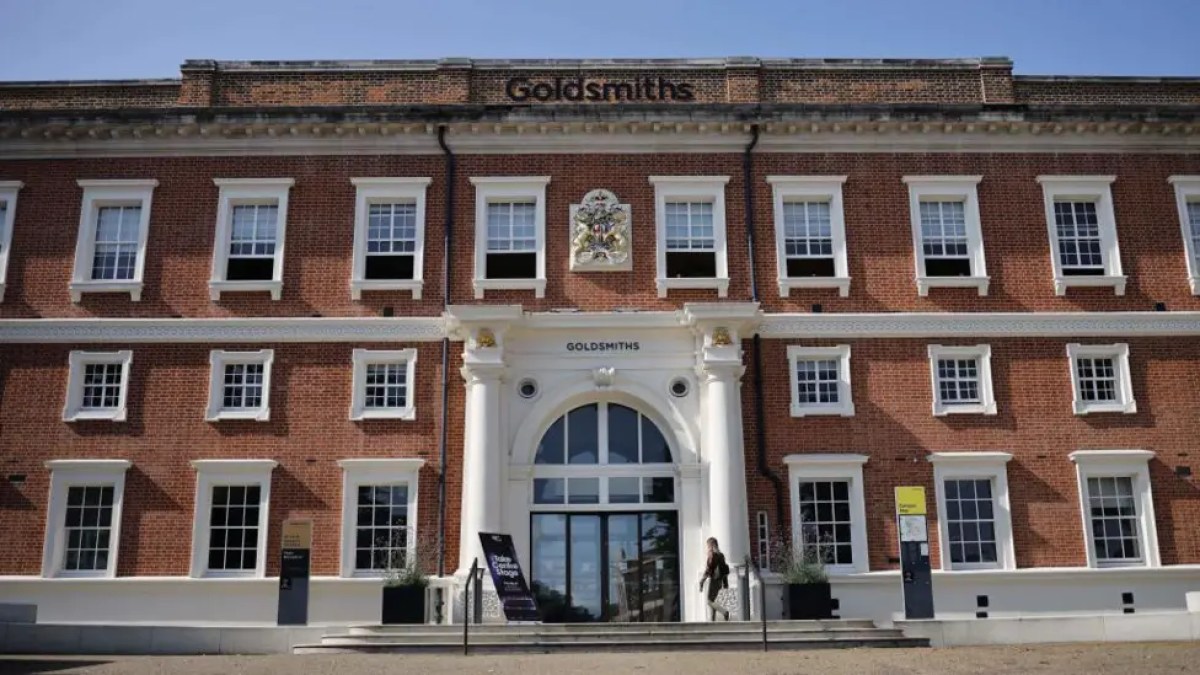
Add Texture to GoogleIn New Cross, in southeast London, the creative buzz that usually fills the hallways of Goldsmiths has given way to an oppressive silence, broken only by the chants of the picketers. On Friday, October 16, the institution reached a milestone it would have gladly done without: its teaching and research staff marked their 130th consecutive day of a full-scale strike. This strike, led by the local branch of the University and College Union (GUCU), has officially become the longest labor dispute in the history of British higher education, surpassing the grim record of 129 days set by the University of Brighton in 2023. Behind this figure lies a deep divide between a administration committed to drastic austerity measures and an academic community that fears for the very essence of this institution, world-renowned for its programs in the arts and humanities.
The “clean slate” strategy: the “Future Goldsmiths” plan
The breaking point stems from the restructuring program dubbed “Future Goldsmiths.” This institutional plan aims for a permanent budget reduction of 22 million pounds (approximately 26.4 million euros) by the end of the 2026–2027 academic year. For the administration, this move is a matter of financial survival. Faced with declining enrollment in creative disciplines and a freeze on domestic tuition, the university claims that its future is at risk without these drastic cuts. However, the financial argument is strongly contested by the GUCU union, which maintains that the institution has not recorded a budget deficit in the last five years, pointing instead to a one-time cash flow crisis or questionable management.
The social impact of this plan is massive: approximately 20 million pounds in savings must be achieved in payroll costs alone. According to union data, 269 positions have been formally placed at risk of redundancy. This latest blow is part of a string of setbacks for the staff, as it marks the third restructuring plan in just five years, following the “Recovery” program in 2021 and the “Transformation” program in 2024. In total, estimates suggest that nearly 500 employees have left the university since 2019.
The Paradox of Consultants and Legal Fees
What has fueled the strikers’ anger—beyond the job cuts—is the contrast between the austerity measures imposed on academic departments and the institution’s administrative spending. Data obtained through Freedom of Information requests reveals that Goldsmiths has spent 14.6 million pounds (approximately 17.5 million euros) on consulting firms, lawyers, and recruitment agencies since 2019. Of this amount, 5.9 million pounds were allocated specifically to management consultants. For union members, these massive investments in external expertise to oversee layoffs are a provocation, especially as the school’s academic excellence is threatened by a lack of staff.
The conflict escalated dramatically at the end of May. While staff were carrying out a Marking and Assessment Boycott (MAB) that began in April, the administration responded by withholding 100% of the participants’ salaries. This measure, described as a “lockout” by staff representatives, turned a gradual protest into a full-scale, indefinite strike as of June 8. Since then, work has come to a complete standstill for a significant portion of the workforce, creating an impasse that no mediation has yet managed to break.
Students Caught in the Crossfire and Degrees on Hold
Caught in the midst of this turmoil, students have become the collateral victims of a dialogue of the deaf. The lack of grades and academic feedback for the past year has plunged hundreds of degree programs into uncertainty. The situation is particularly critical within the Master of Fine Arts (MFA) program, the institution’s flagship program. In an open letter, students report that 10 of the 12 primary tutors are on strike. This lack of tutoring has led to the cancellation of studio orientation sessions and makes it impossible to demonstrate the skills required to earn a degree.

The pressure is not only academic; it is also financial. Second-year MFA students report being forced to pay their tuition in full by October 31. In the event of non-payment, they face the threat of immediate expulsion, while still owing 25% of the fees incurred. In response to what they consider a breach of the educational service contract, several student groups have filed official claims for financial compensation. For many, the Goldsmiths experience—supposed to be a springboard into the art world—has turned into an exhausting administrative battle.
Stalled Negotiations and Divergent Views
Joanna Newman’s appointment as vice chancellor last September raised hopes for a resolution to the crisis. Under the auspices of ACAS, a mediation service, a new proposal was put on the table on October 8. Management proposed a moratorium on outright layoffs until 2027, an enhanced voluntary separation plan, and a phased approach to the pay deductions imposed on strikers. Although the university described this offer as its “utmost possible effort,” it was overwhelmingly rejected by the union’s general assembly. The reason for this rejection is crystal clear: the principle of forced layoffs remains in place in the long term—a red line that staff refuse to cross.
The conflict is also playing out in the realm of communication, where two realities clash. On one hand, Goldsmiths’ administration is attempting to downplay the impact of the strike, claiming that fewer than 2% of courses are affected and that 90% of staff are not on strike. It emphasizes that the orientation for 7,000 new students proceeded as normal and that 99% of students were able to achieve an academic outcome thanks to the implementation of special regulations. On the other hand, the union and students paint a picture of an institution where entire departments have come to a standstill. Reports indicate that classes have been postponed until the spring semester and that external temporary instructors have been urgently called in to replace striking tenured faculty—a practice that raises questions about the instructors’ qualifications and the quality of the education provided.
As the record for the longest strike has just been broken, the outcome of the conflict seems more uncertain than ever. Caught between the financial demands of an administration that sees its economic model crumbling and the resistance of a faculty that refuses to see its profession dismantled, Goldsmiths is undergoing a major identity crisis. Beyond the numbers and the days of the strike, it is the very survival of a particular model of artistic and intellectual education that is at stake today on the New Cross campus.