Make Texture a preferred source on Google to support us
Add Texture to GoogleFor several seasons, contemporary fashion seemed to be sliding toward a sterile perfection, dictated by the monastic rigor of “quiet luxury.” Under the guise of good taste and timelessness, the silhouette had become frozen in a predictable, almost algorithmic formula, where the absence of risk served as an aesthetic compass. The Spring/Summer 2027 runway shows mark the end of this lethargy. Watching the models walk the runways, a sense of relief sets in: clothing breathes again, embraces imperfection, and puts the individual—with all their contradictions and moods—back at the center of style. Expert Laird Borrelli-Persson sums up this shift in the pages of *Vogue Runway* with a term of formidable precision: “offness.” This slight misalignment, this deliberate dissonance, acts as an anti-artificial-intelligence manifesto—a quiet rebellion against the standardization of micro-trends that saturate our screens. The message is clear: smooth perfection bores; imperfection fascinates.
The End of the “Under a Bell Jar” Look
This paradigm shift is evident not only in fabrics and cuts but also in the very mechanics of the wardrobe. Buyers and analysts interviewed by Vogue Runway and the EDITED platform are unanimous in their assessment: the tyranny of the prefabricated silhouette is crumbling. Customers now refuse to accept a turnkey look—designed from head to toe by a design studio to last only a single season. Modularity is the order of the day.
The Summer 2027 collections were designed to be taken apart, deconstructed, and then reassembled as desired. We no longer consume a rigid aesthetic; we acquire a vocabulary to craft our own statements. This structural flexibility reflects a need for independence in the face of an industry that, in recent years, has often confused simplicity with a form of stylistic submission. The season’s expressive pieces never veer into impractical or gratuitous maximalism. They simply require a commitment from the wearer—a choice in how to style them—proving that a garment can have character while remaining grounded in the reality of everyday life.
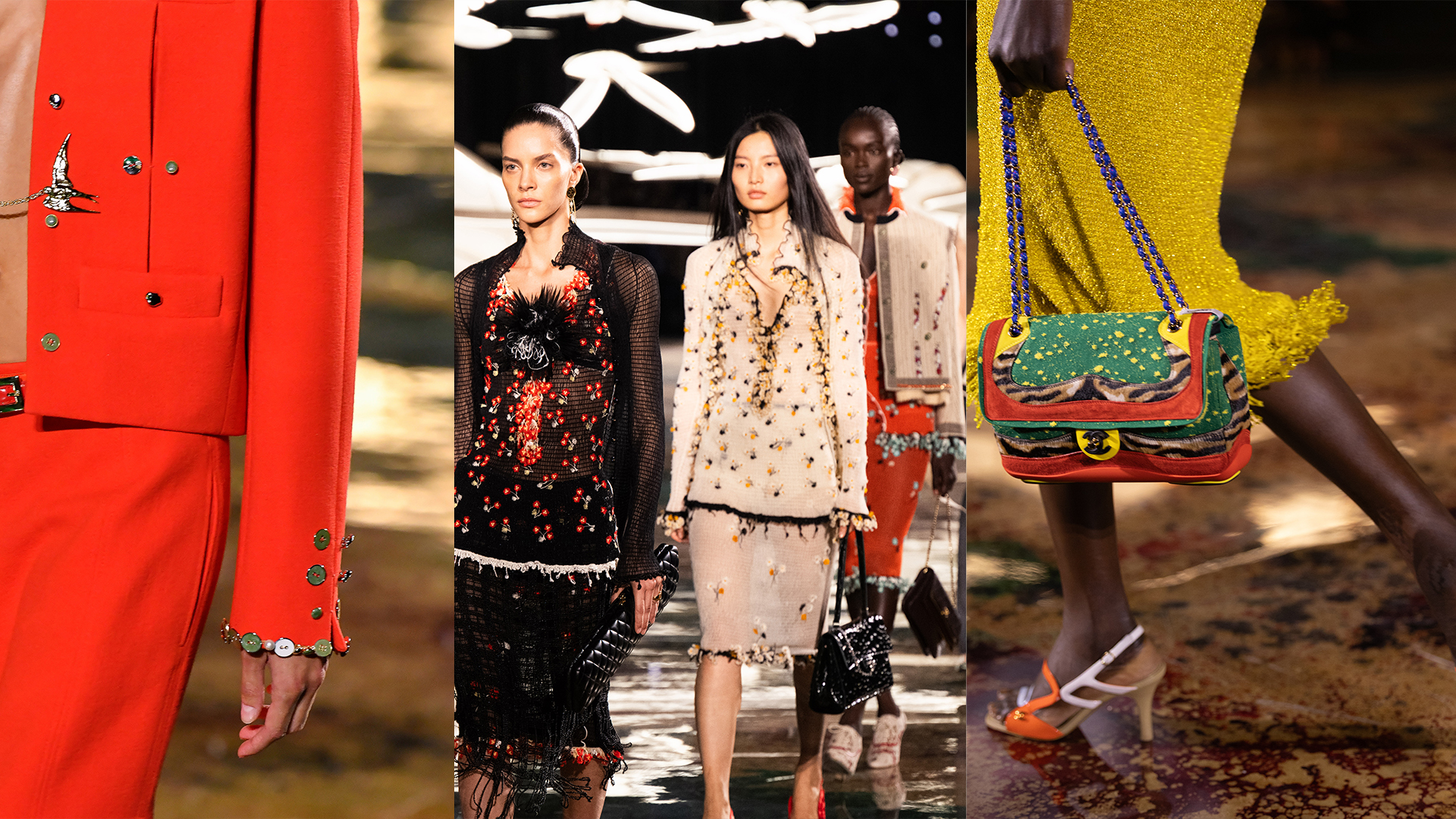
The minimalist dogma, cracked from within
To gauge the extent of this shift, one need only look at minimalism’s most unshakable bastions. The Row, guardian of a temple of cerebral, meticulously crafted elegance, has allowed the unexpected to seep in. Amid the traditional immaculate fabrics, clean lines, and shades of cream, beaded and highly decorative tops have made a bold entrance. Ornamentation is no longer perceived as vulgar or a sign of insecurity, but as a necessary counterpoint.
This juxtaposition perfectly illustrates the season’s new aesthetic. Minimalism isn’t disappearing; it’s simply no longer the sole measure of elegance. Minimalism, stripped of its dogmatic authority, now serves as a backdrop or anchor for richer, sometimes almost theatrical compositions. Teen Vogue also highlights this dynamic, where the interplay of textures and accessories with bold volumes disrupt—in the best possible way—the quietness of understated cuts.

Sheer fabrics, volume, and ’60s-inspired touches
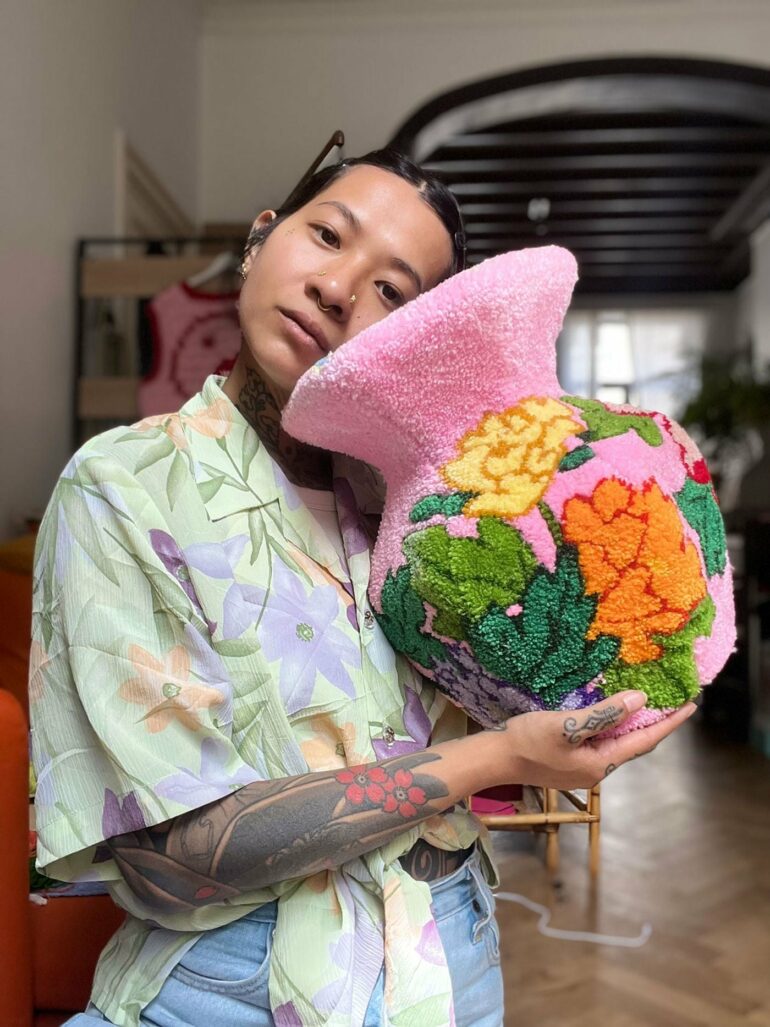
The liberation of the silhouette is physically expressed through a new range of tactile textures. Spring/Summer 2027 lets go of rigidity to embrace the body with confident lightness. Vogue’s trend analysis highlights a surge in lace tops and crocheted pieces, which filter summer light and reintroduce a sensuality that had been lost beneath the austere layering of the previous decade.
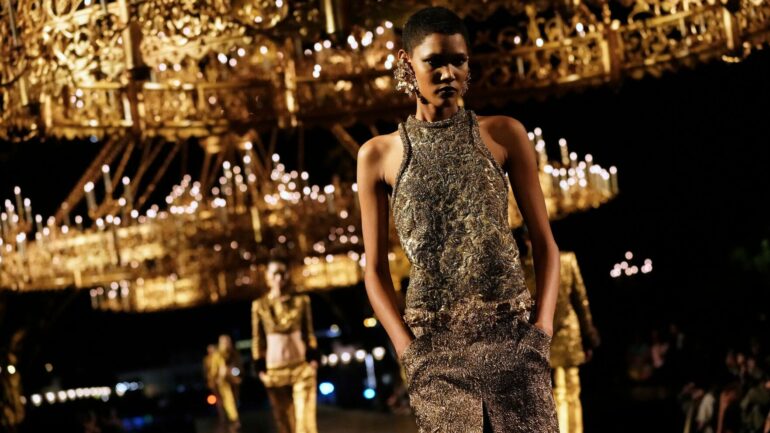
The repeated appearance of baby-doll dresses—obvious nods to the carefree spirit of the 1960s—contributes to this trend toward lightness. But this trend is more than just nostalgia. As Who What Wear points out, classic dresses are evolving: they’re becoming more voluminous, enriched with sculptural details, and accented with gold finishes. The garment is regaining a narrative dimension. It occupies space, catches the eye, and plays on a calculated sense of disorder, where floral prints rub shoulders with unexpected fabrics.
The Color Revival
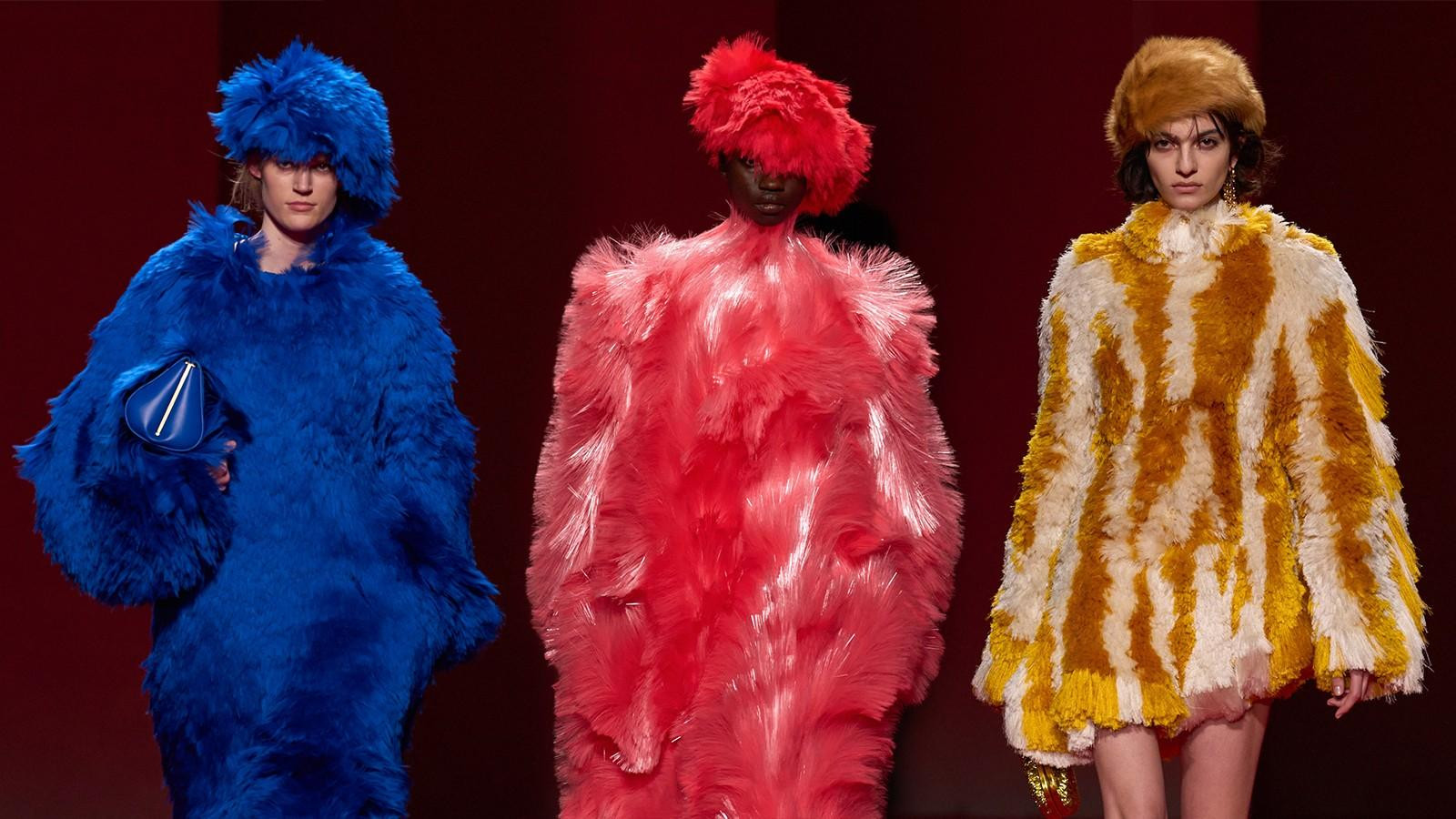
The other collateral victim of this return to life is chromatic neutrality. Beige, greige, and navy—long held up as hallmarks of good taste—are losing ground. L’Officiel USA takes stock of a summer palette that’s rediscovering a sense of self-assertion. Pastel blues and greens brimming with freshness interact with bold reds and incandescent oranges. This vibrancy is far from a haphazard, garish mix; it is deliberate, well-considered, and serves to structure the silhouettes rather than overwhelm them.
Vibrant prints clash in a deliberate friction. This isn’t a free-for-all, but rather the certainty that a well-placed color is worth more than any display of conceptual power. Fashion thus proves that it has not forgotten its fundamentals, but refuses to rest on its laurels. In 2027, the sharpest look will be one that embraces the unexpected, the visual mishap, and the unexpected twist. A lesson in elegance that reminds us that style, before being a discipline, is above all an expression of life itself.