
Make Texture a preferred source on Google to support us
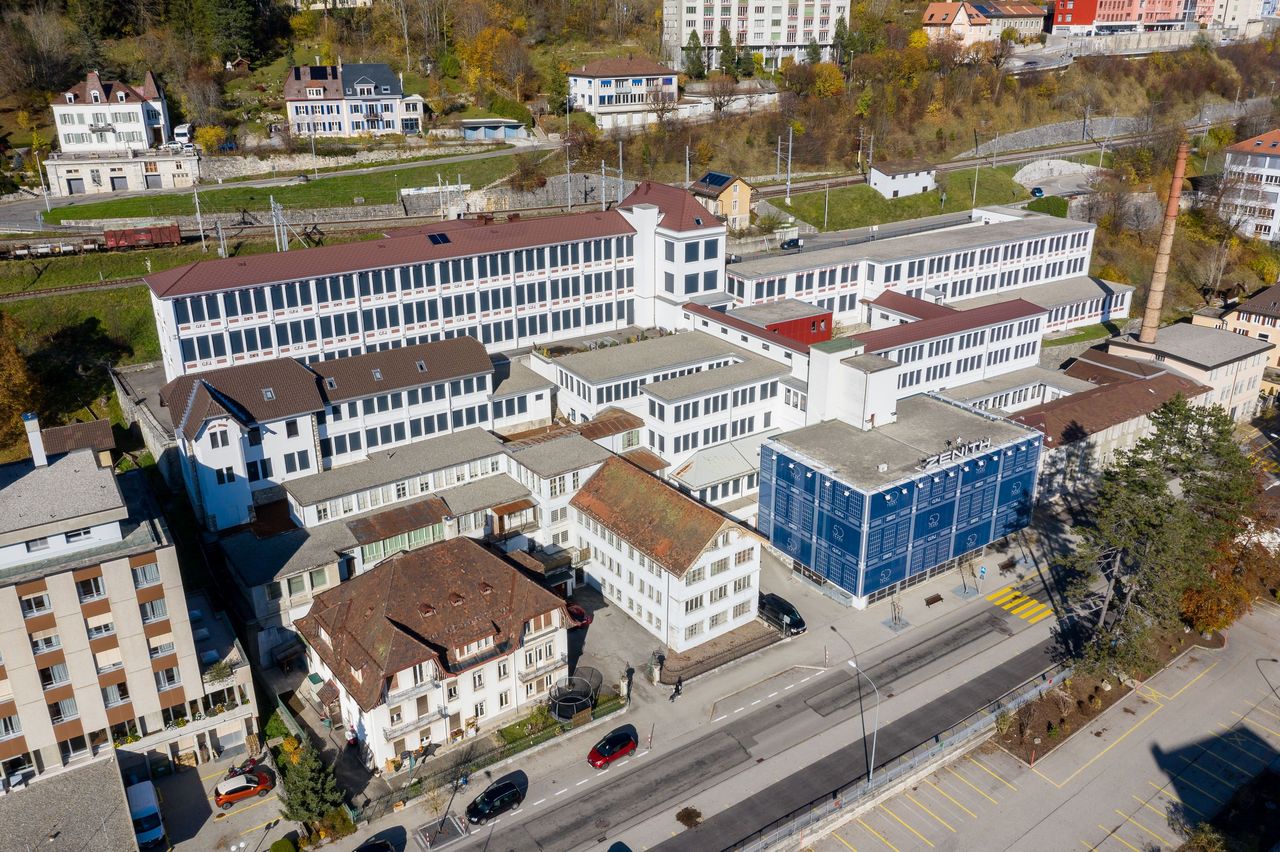
Add Texture to GoogleThe walls of the Neuchâtel-based factory in Le Locle bear the weight of a history that has continued uninterrupted since 1865. Yet the industrial infrastructure that forged Zenith’s technical reputation now seems out of proportion to the brand’s new ambitions. A mechanical tension has arisen between a legacy built on production capacity and a fierce determination to shift toward absolute exclusivity. This contradiction has just found a brutal resolution: management has announced the initiation of a consultation process with a view to collective layoffs. The goal is no longer to keep the workshops busy, but to orchestrate a radical shift toward haute horlogerie by deliberately sacrificing the mid-range segment.
A Strategic Cutback
The cut is severe. The plan presented by management threatens to eliminate approximately two hundred positions across the watchmaker’s global operations. The cuts are being made symmetrically: about 100 jobs related to retail and international distribution are expected to be eliminated, reflecting a desire to drastically reduce the company’s traditional commercial footprint. On the manufacturing front, the impact is concentrated in Le Locle. The production site currently employs some 200 workers; the restructuring plan calls for cutting half of them.
This physical downsizing is merely the social manifestation of a profound strategic overhaul. The brand, owned by the LVMH Group, is turning its back on the mid-range market. This segment, once seen as a reassuring foundation for volume, has become a financial quagmire. After several years of incurring losses, management is taking drastic measures to reposition its offerings toward much more expensive pieces, targeting a smaller but more affluent clientele capable of supporting significantly higher margins.
The Economic and Geopolitical Squeeze
While the decision is striking in its scope, it responds to a macroeconomic equation that the company could no longer balance. The mid-price segment is now the most exposed to international friction. Management points to a confluence of headwinds that ultimately stifled the segment’s profitability.
The strong franc is constantly eroding export competitiveness, automatically eating into margins on watches that cannot justify stratospheric prices. Compounding this currency pressure are U.S. tariff barriers, which hinder access to a crucial market. Finally, the slowdown in consumption in Asia and the Middle East is depriving Zenith of a customer base that historically supported its sales volumes. In this climate of contraction, defending a mid-range position required marketing and sales investments that were disproportionate to the expected profits.
The Illusion of an Integrated Catalog
The ongoing reorganization also marks a break from the industrial ambitions announced last year by LVMH. Just a few months ago, the group hinted at a massive expansion of the Le Locle manufacturing facility. The core idea was to transform this historic site into a vast in-house production engine, capable of supplying a complete range of movements to the group’s other watchmaking entities.
The current scenario involves a drastic streamlining rather than expansion. The brand’s watchmaking expertise has not fallen off the group’s radar, but it will be leveraged with calculated restraint. Zenith will continue its role as a movement supplier. This internal synergy remains active, particularly with Hublot, which has relied on Le Locle’s mechanical movements for a decade now. Production for third parties continues, but it no longer justifies maintaining the current massive industrial footprint.

A New Direction Under the Leadership of Jean Arnault
This change in direction is part of a broader overhaul of LVMH’s watchmaking division, now led by Jean Arnault. Having assumed joint oversight of Zenith, TAG Heuer, and Hublot, the executive is applying a particularly strict approach to the brand portfolio. His recent track record—marked by the spectacular rise of Louis Vuitton’s watchmaking division into the highly exclusive realm of haute horlogerie—sets the tone for the current strategy.
In this new configuration, Zenith is viewed as an asset of unquestionable prestige, backed by a recognized technical signature, but one whose commercial strategy lacked focus. The tolerance for fragmentation is over. This refocusing requires iron discipline: the brand must no longer seek to please everyone. It must concentrate on its technical DNA, move upmarket, and accept selling far fewer watches—provided they are significantly more expensive.
The Inevitable Decline of the Mid-Range Segment
Zenith’s contraction extends beyond the company’s immediate scope to illustrate a broader divide within the Swiss watch industry. The market is polarizing with unprecedented intensity. Luxury brands are fleeing the mid-range segment—deemed too competitive and insufficiently profitable—to take refuge at the top of the market.
The watchmaker’s management has, in fact, put its own restructuring into perspective by referencing the fate of its neighbors. The recent closure of the Montblanc factory, also located in Le Locle, serves as a wake-up call: the space for traditional mid-range watchmaking is shrinking rapidly. The industry is consolidating around the ultra-luxury segment, accepting that it will leave entire segments of yesterday’s buyers by the wayside.
LVMH’s plan crystallizes a brutal reality: the valorization of craftsmanship now requires the destruction of part of the infrastructure that once supported it. This paradox, clearly evident in the holding company’s financial statements, is now coming up against the reality on the ground in Neuchâtel. On Monday, representatives from the Unia union will meet with management and employees. This meeting will determine the remaining room for maneuver for the 100 employees in Le Locle and gauge the definitive impact of this new watchmaking strategy charted from Paris.