
Make Texture a preferred source on Google to support us
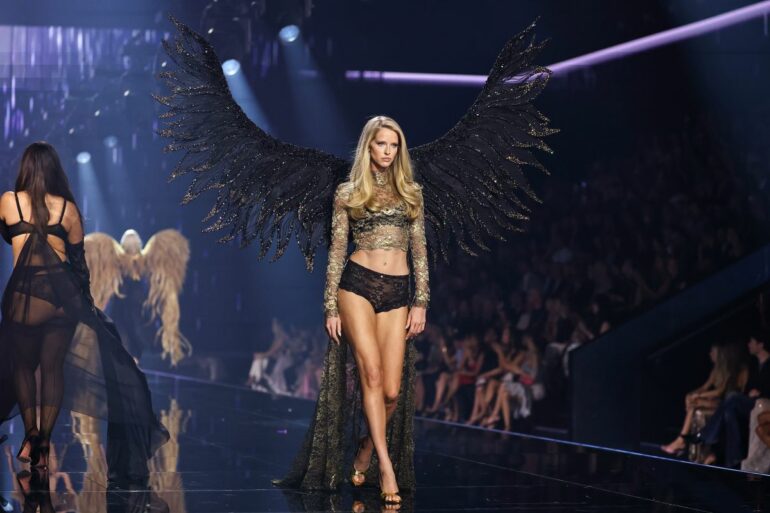
Add Texture to GoogleOn October 18, 2026, the spotlights at Sony Pictures Studios in Culver City reignited a flame that was thought to be extinguished—or, at the very least, profoundly transformed. For its grand return to Los Angeles after a nineteen-year absence, the Victoria’s Secret Fashion Show sought to reconcile its legacy of spectacular glamour with the demands of an era that no longer tolerates exclusivity. Yet, behind the feathered wings and the light shows, the event brought to the surface unprecedented tensions, revealing a rift between loyalty to professional models and the irresistible allure of the click.
The End of the Angels’ Era and the Generational Clash
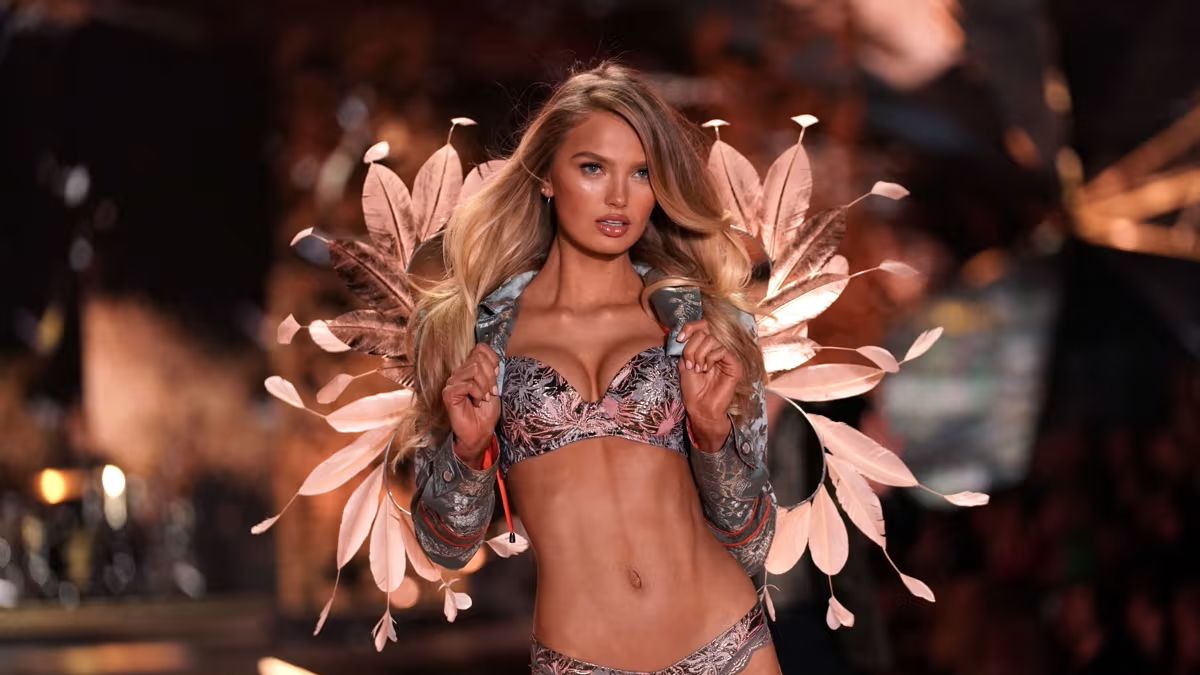
The casting for the 2026 edition sent shockwaves through social media, shedding light on the sometimes opaque inner workings of the production. Romee Strijd, a longtime face of the brand from 2014 to 2018, broke her silence by revealing that she had been excluded from the show. Despite intensive training throughout the summer and a trip to New York for the auditions, the Dutch model was turned down. This exclusion was compounded by an administrative mix-up: while the casting team, led by Piergiorgio Del Moro, claims that the decision to exclude her was made on September 6, 2026, Romee Strijd maintains that she attended an in-person audition on September 10. This discrepancy has cast a veil of confusion over communication between her agency, IMG Models, and the fashion show’s production team.
She isn’t the only one who was left off the runway. Frida Aasen also confirmed that she was rejected, while other staples of the 2010s—such as Taylor Hill and Lais Ribeiro—were absent from the final list. While the brand has officially stated that it values all its collaborators—past and future—it has refrained from commenting on the contractual details binding the models to their agents. The show nevertheless featured the return of iconic faces such as Adriana Lima, Alessandra Ambrosio, and Candice Swanepoel, joined by contemporary stars like Gigi and Bella Hadid, Ashley Graham, Paloma Elsesser, Anok Yai, and Alex Consani.
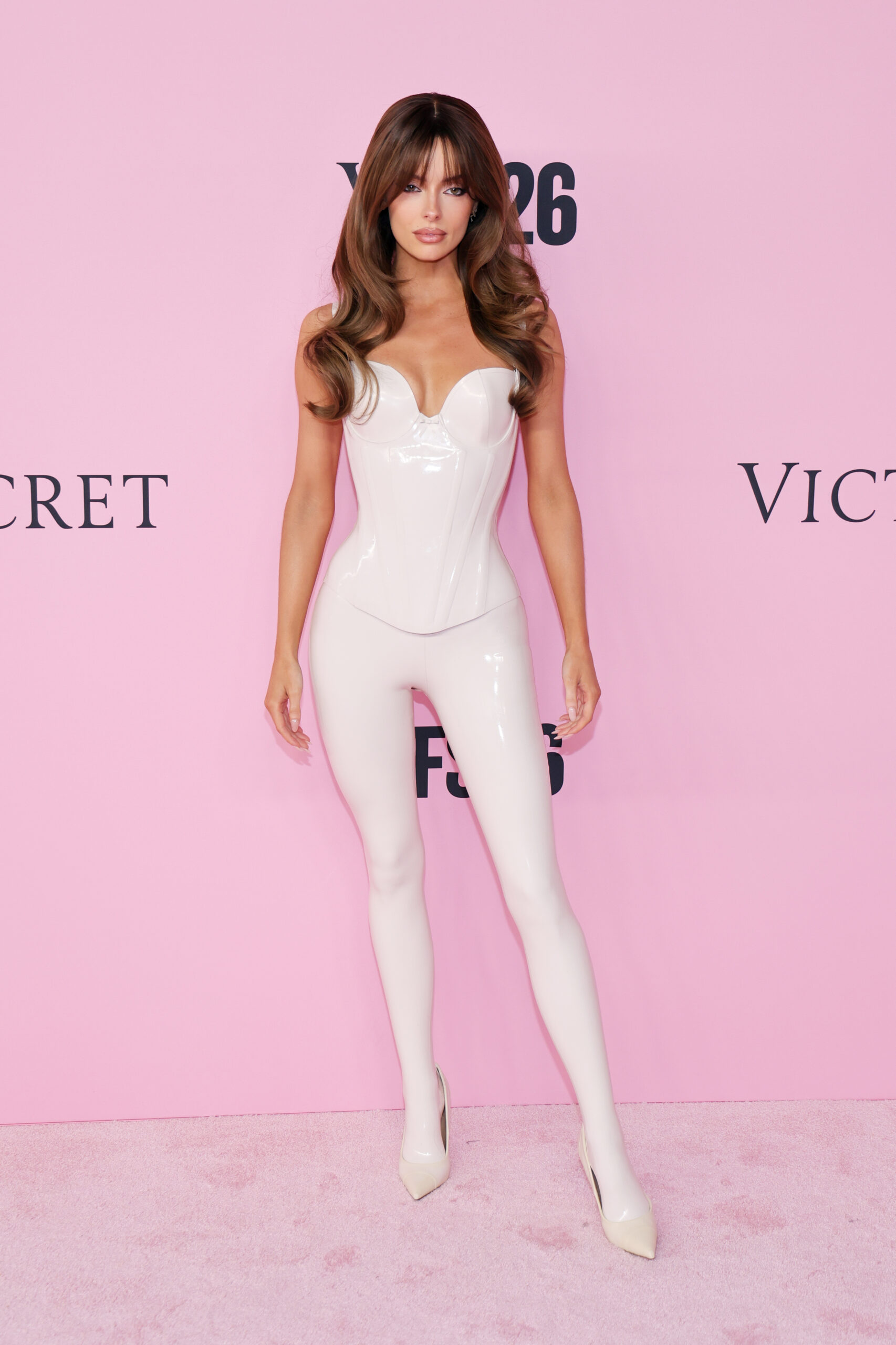
The controversy reached its peak over a single accessory: the Fantasy Bra. This piece of jewelry, composed of 4,410 natural diamonds and centered around a canary yellow diamond estimated at $22 million—for a total value of $50 million (approximately 46 million euros) —was not entrusted to a career “Angel.” Kylie Jenner had the honor of wearing the ensemble. This choice marks a historic departure for Victoria’s Secret, sparking criticism over favoritism toward celebrities from famous families, at the expense of professional models who have built their careers on the runway.
Katie Zacharia and the Aesthetics of MAGA
While the California runways were abuzz, Washington was experiencing a political episode of record brevity. Appointed White House press secretary by Donald Trump on October 9, 2026, Katie Zacharia stepped down from her position just five days later, on October 16. This lightning-fast stint—the shortest in American presidential history—was precipitated by a chaotic 14-minute debut press conference on October 13 and by the revelation that she had never been admitted to the California Bar, contrary to her past public statements.
Beyond the political upheaval, Katie Zacharia’s image offered a rich stylistic analysis of the visual identity of the American conservative sphere. Her appearance has been described as the extreme embodiment of the “MAGA aesthetic.” This visual language is based on hyper-feminine and deliberately anachronistic elements: sky-high heels, extremely heavy makeup, and a voluminous blonde blowout with carefully styled waves. This style is not merely a matter of vanity, but functions as an ideological uniform—a visual signature that is immediately recognizable within the Trumpist movement.

The Strategic Rise of Rachel Scott
In contrast to these traditional representations, a new figure is emerging as the quiet force behind American luxury. Rachel Scott, born in Kingston, Jamaica, in 1984, is redefining the contours of New York fashion. A graduate of Colgate University with degrees in art and philosophy, and later trained at the Istituto Marangoni in Milan, she honed her eye at Costume National and Rachel Comey before launching her own label, Diotima, in 2021.
Rachel Scott’s work is based on a sophisticated reinterpretation of Caribbean craftsmanship, notably through crocheted pieces handcrafted by Jamaican artisans. This expertise has earned her rapid institutional recognition. In 2024, she became the first Black woman to receive the CFDA Designer of the Year Award for womenswear, along with the Empowered Vision Award—a distinction accompanied by a $100,000 grant to support her growth.
Her influence took on a systemic dimension in September 2025, when she was named creative director of Proenza Schouler, succeeding founders Jack McCollough and Lazaro Hernandez, who had moved to Loewe. During New York Fashion Week in February 2026, Rachel Scott achieved the feat of presenting two major collections: her debut for Proenza Schouler and the new Diotima collection.
Her vision goes beyond mere aesthetics. Rachel Scott describes her approach as that of a “Trojan horse.” Drawing on the allure and intrinsic beauty of luxury clothing, she weaves in profound political statements, whether anti-imperialist or feminist. For her Fall-Winter 2026 collection at Diotima, she drew inspiration in particular from the work of Cuban painter Wifredo Lam, confirming that, for her, clothing is a vehicle for social messages as much as it is a piece of exceptional craftsmanship. Between the media spectacle of Los Angeles and the conceptual rigor of New York, American fashion in 2026 paints a complex landscape where image—whether glossy or political—remains the primary battleground for identities.