Make Texture a preferred source on Google to support us
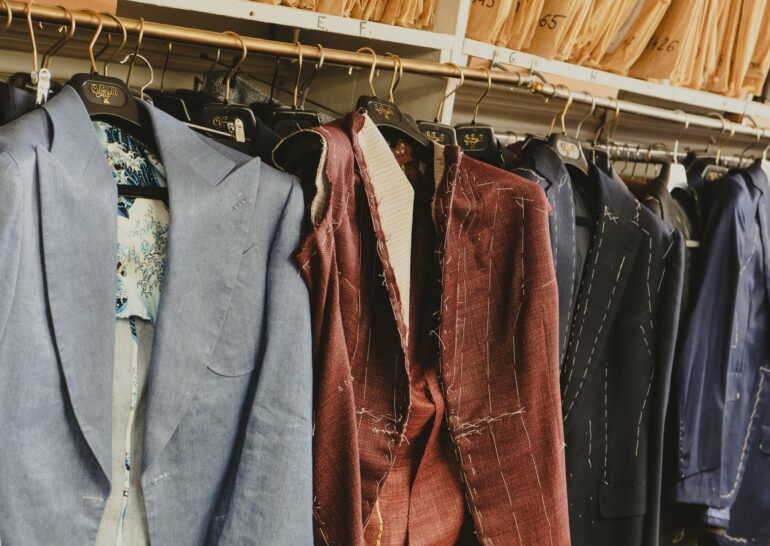
Add Texture to GoogleToday, there are two ways to have a suit made. The first fits in a phone: a body scanner, a pattern calculated by an algorithm, and a package. The second requires walking through the door of a tailor’s shop three times, standing still while a tailor pins the fabric, takes a step back, hesitates, and then returning a few weeks later. On paper, the second method seems to have it all: it’s slow, inconvenient, and dependent on your schedule. Yet it’s the more expensive option, and its slowness is directly factored into the price.
Scarcity has shifted
This reversal did not begin with generative artificial intelligence. As early as 2019, sociological analyses of consumer behavior were already noting this trend: screens and automation were becoming the affordable norm for the middle and working classes, while human contact was turning into a paid service, reserved for those who could afford it. Self-checkout for some, a clerk who knows your name for others.
Between 2024 and 2026, the massive influx of chatbots and digital assistants—free or nearly free—pushed this trend much further. The immediate, digital response, available around the clock, has become a mass-market convenience. What was once considered progress is now a basic service—and a basic service ceases to be desirable. Scarcity has shifted toward what machines cannot provide: the attention of a specific person, devoted to a specific customer, for a period of time that cannot be compressed.
Paying for Friction
The mainstream digital economy pursues an ideal of “zero friction”: one-click ordering, self-service kiosks, forms that anticipate what you’re about to type. The very high-end market operates in reverse. Its clientele values effort, time constraints, and repeated rituals. Friction here is not a bug to be fixed but a mark of authenticity.
Bespoke tailoring provides the clearest illustration of this. The three fittings required by a traditional tailor are not a logistical delay that one would tolerate for lack of a better option. They are the transaction itself. Each appointment confirms that a human hand—not a scanner or cutting software—took the measurements, corrected the fit, and adjusted a shoulder. The customer isn’t just buying a jacket; they’re buying the certainty that no one has delegated this work to a machine.
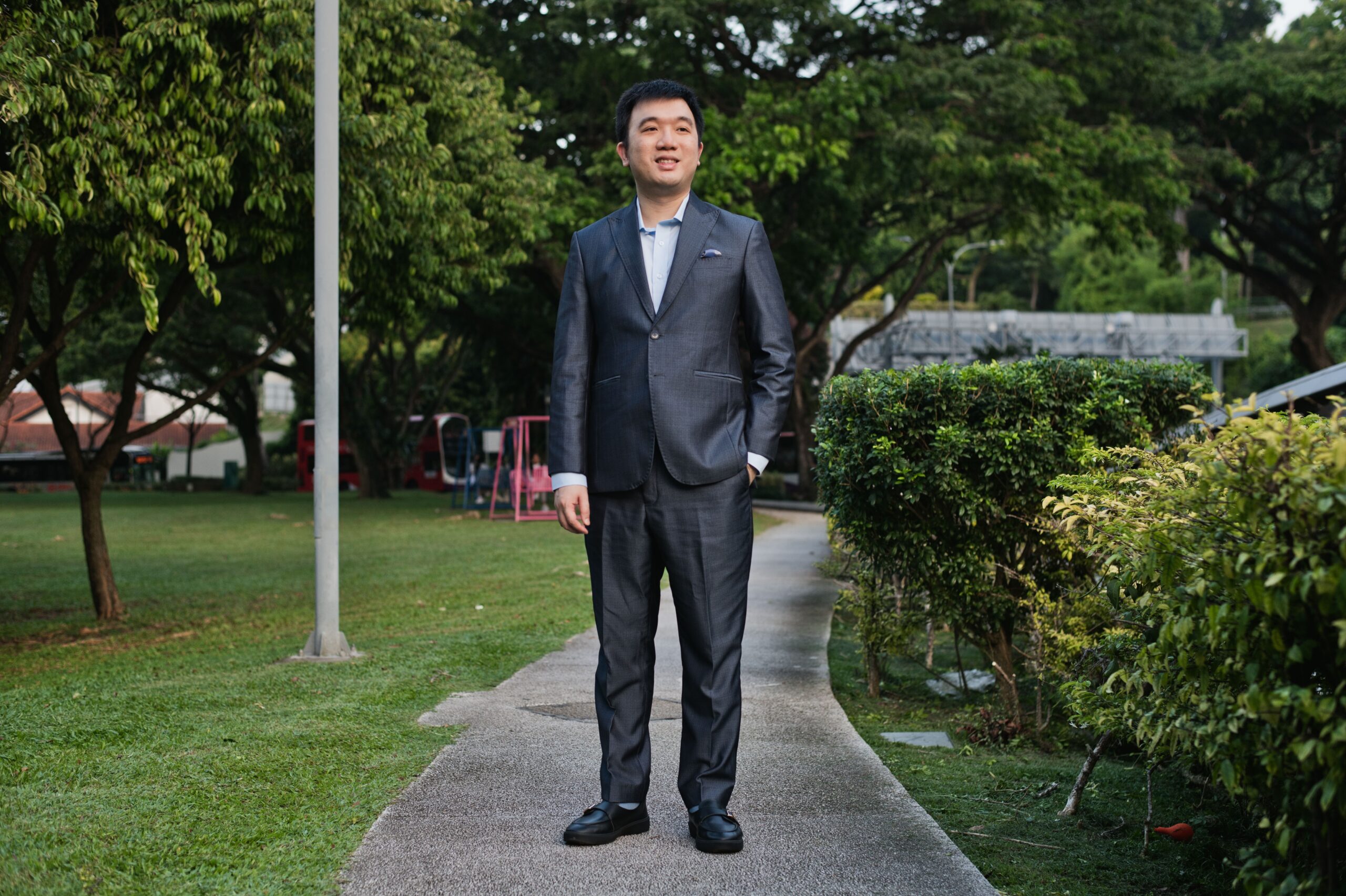
But you still have to be able to afford these back-and-forth trips. The ability to devote hours to recurring in-person interactions functions as a class marker in its own right. It signals the possession of a form of capital rarely mentioned in wealth rankings: time. In contrast, busy executives and consumers live under the regime of constant optimization, equipped with apps designed to save them minutes they never have. Luxury, in this context, consists of being able to waste an afternoon without it mattering in the slightest.
The Restaurant Owner Who Rejects Robots
In London, Jeremy King has turned this conviction into a management philosophy. The restaurateur, an Officer of the Order of the British Empire (OBE), ran The Wolseley and Le Caprice for many years before opening Arlington and The Park, and later taking over Simpson’s in the Strand. Whether speaking to his staff or in public, he puts forward a deliberately provocative argument. He admits that, in theory, he could replace his front-of-house staff with robots. Robots would never be late, would never sneak a peek at their phones between tables, and would never show up for the lunch service with a hangover. Yet he categorically refuses to take that step.
His justification boils down to a list that sounds like a professional creed: machines and artificial intelligence lack “empathy, instinct, intuition, and the capacity to love.” For King, these qualities aren’t just an extra touch of soul added to high-end hospitality—they are its very essence. A robot can serve a dish at the right temperature. It cannot sense that a couple has just had an argument, that a regular prefers not to be spoken to tonight, that a business dinner is going south, or that the pace of the meal needs to be slowed down.
The restaurateur has documented this philosophy in his professional memoir, *Without Reservation: Lessons from a Life in Restaurants*, published by Fourth Estate, a division of the HarperCollins group. The book is priced at 10.99 pounds (about 13 euros) in paperback and 25 pounds (about 30 euros) in hardcover. The title plays on a double entendre that any Londoner sitting at a table will understand: “without reservation” and “without a reservation.”

A Memory That Isn’t Displayed
The figure who best embodies this resistance is the maître d’hôtel who can recognize a regular customer and lead them to their usual table without consulting a screen. Customer relationship management software is perfectly capable of storing preferences, allergies, and the date of the last visit. But spontaneous recognition—without a visible record or intermediary interface—remains the standard that machines cannot replicate. It’s not the information that matters; it’s the fact that it seems to come from a person rather than a database.

This memory comes at a cost, and that cost is rising. Maintaining a highly qualified staff dedicated to personalized, direct service leads to a structural and ongoing increase in operating costs in the luxury hospitality and restaurant industry. The recruitment challenges that emerged after the pandemic have intensified this pressure. Keeping staff on the floor is therefore not a luxury: it is a deliberate economic choice, one that customers help finance.
One question remains, however, and no one can answer it with hard numbers. No consolidated metric currently measures the proportion of automated guest-facing tasks in the ultra-luxury sector compared to those still entrusted to humans. The phenomenon is much easier to describe than to measure, and we must keep this limitation in mind before drawing general conclusions.
Humans on the floor, algorithms behind the scenes
For the image of an elite shunning technology would be misleading. There is no indication that the ultra-wealthy reject artificial intelligence outright. They rely on it extensively to manage their wealth, organize their private security, or oversee their logistics. What they safeguard is the front-of-house service relationship—the visible moment when someone is attending to them. Automation isn’t banned; it’s simply relegated out of sight.
Nor is the pursuit of friction a universal rule among affluent clients. The idea stems from a trend analysis, fueled by lifestyle magazines and manifestos from restaurateurs like Jeremy King, rather than a proven market law. On the contrary, a segment of this same clientele strongly favors algorithmic concierge services, which respond to any request within seconds. For these customers, luxury remains synonymous with speed.
As for the prophecies predicting the complete replacement of waitstaff and salespeople by humanoid robots within a decade, they belong to the forward-looking discourse of the tech industry, not to established economic data. Until we know whether these predictions will come true in mid-range brasseries, Jeremy King’s establishments continue to hire waitstaff who sometimes show up late.