
Make Texture a preferred source on Google to support us
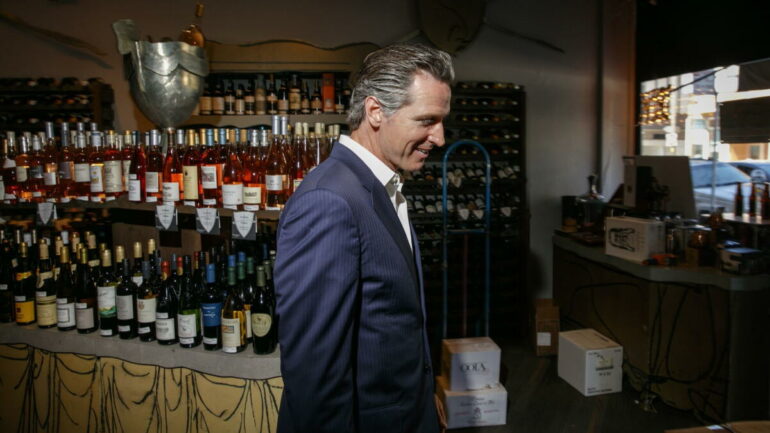
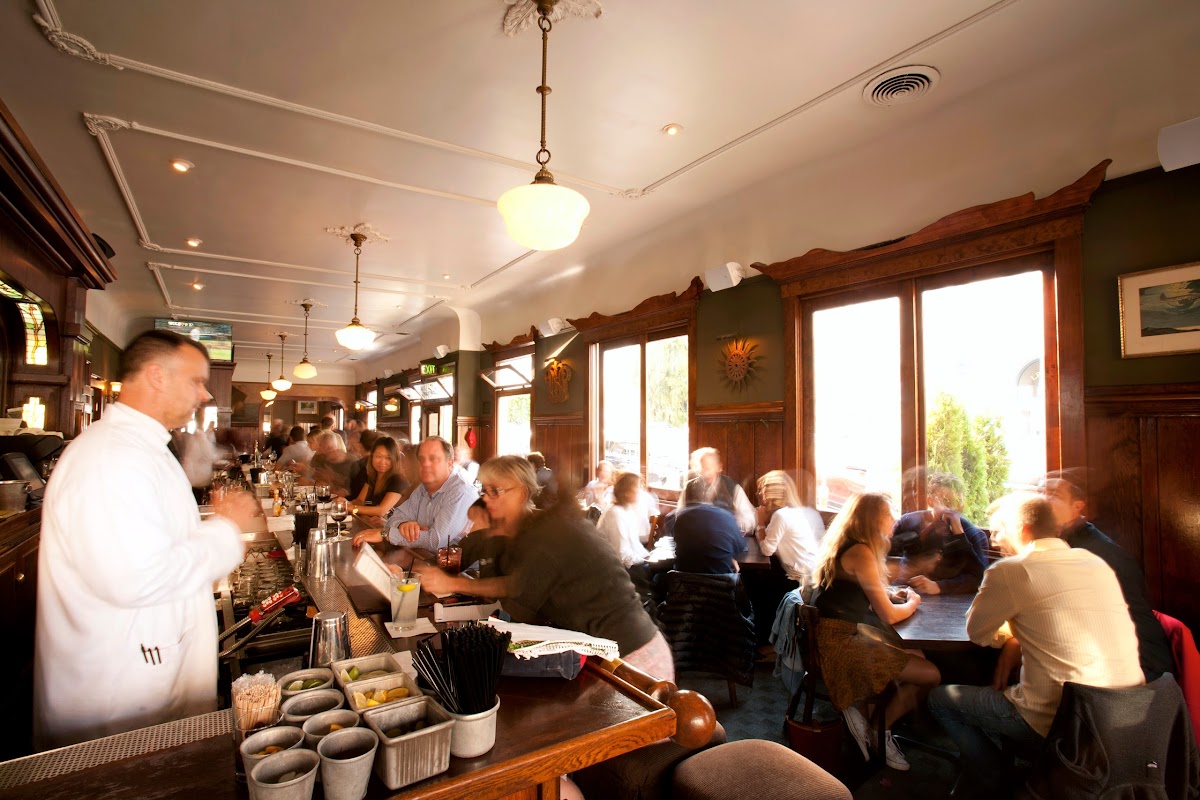
Add Texture to GoogleThe project that would launch Gavin Newsom’s public career was conceived at a table at the Balboa Cafe in San Francisco. That evening, he was having dinner with his father, William Newsom, and Pat Kelley, a local wine merchant. The idea of opening a store took shape between dessert and cheese. A few years later, the restaurant itself became part of the portfolio of the group the young man had founded. Between those two moments, a 24-year-old wine merchant had become an entrepreneur and then, almost by accident, an elected official. Before taking office as governor of California, Newsom learned the ropes of politics behind a counter.
A Father, a Shared Language
For the Newsoms, wine was first and foremost a matter of tradition. Gavin Newsom credits his passion to his father, an appellate court judge—a man who was sometimes distant and for whom words didn’t always come easily. The bottles filled part of that silence. They didn’t necessarily talk about themselves, but they talked about a vintage, a region, a flavor—and that was enough to create common ground between a son and his father.
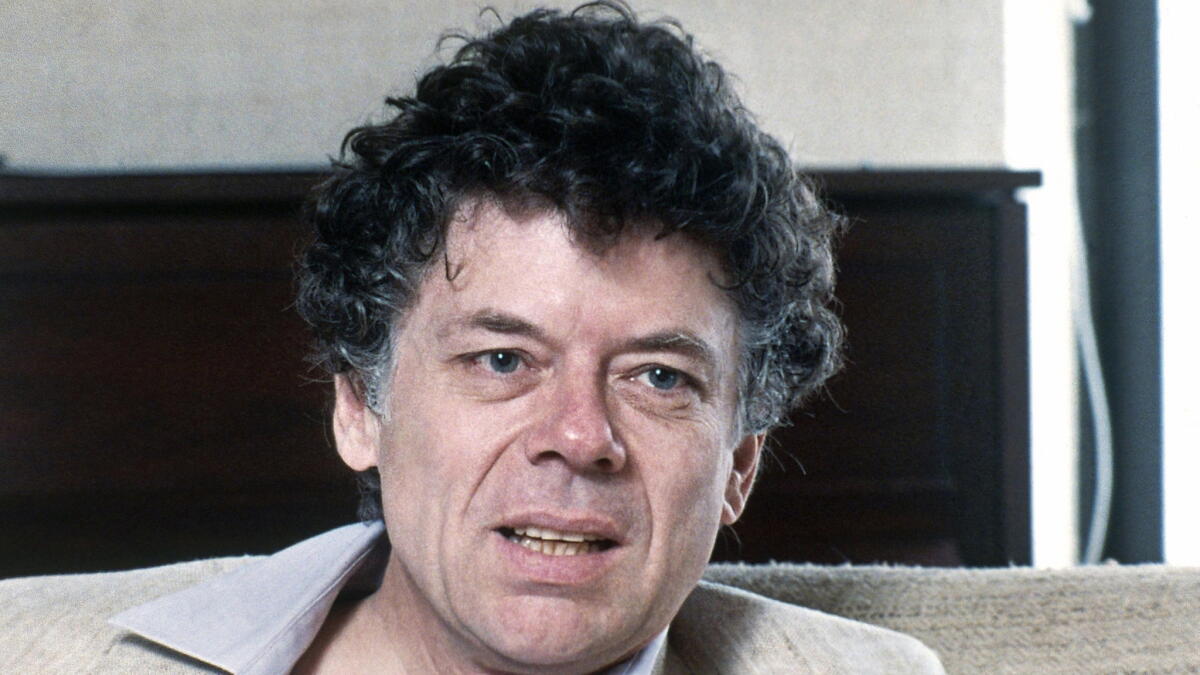
This bond also explains why the venture began within such a close-knit circle. The first major partner was Gordon Getty, a close friend of William Newsom. Heir to oil tycoon J. Paul Getty, a patron of the arts and a composer, he became the company’s main financial backer and is considered its co-founder.
Fillmore and Greenwich, 1992
In 1992, PlumpJack Wines opened its doors at the corner of Fillmore Street and Greenwich Street, between the Marina and Cow Hollow neighborhoods. To launch the business, Newsom raised $174,000 (approximately 158,000 euros) from fifteen people, including close friends and family members. The amount was modest for a business in this part of San Francisco, and the funding round felt more like an extended family dinner than a fundraising effort.
The intention, however, was clear: to demystify the act of buying wine. The founder wanted to eliminate the intimidation many young customers felt when faced with wine labels and overly confident salespeople. The shop therefore offered a varied selection, free of snobbery, without veering into the low-end market. This positioning—accessible without being cheap—remains the key to understanding everything that followed.
Falstaff as the Store Name
The shop’s name set the tone. “Plump Jack” is one of the nicknames of Sir John Falstaff, the potbellied knight from Shakespeare’s *Henry IV*, taken from a line in the play. The character embodies irreverence, mocks stuffy conventions, and loves wine without restraint. It would be hard to find a better patron for a shop that wanted to breathe new life into wine tasting. The choice also had a more personal significance: “Plump Jack” is the title of an opera composed by Gordon Getty. The name thus paid homage both to Elizabethan theater and to the partner who had made the venture possible.
From Boutique to Vineyard
Three years after the store opened, the business shifted from retail to production. In 1995, the group acquired a historic estate in Oakville, Napa Valley—dating back to 1881—the former Mount Eden Winery, and founded PlumpJack Estate Winery there. Its exact size, however, remains a matter of debate: the estate’s technical specifications list 42 acres (approximately 17 hectares), while other sources cite figures ranging from 47 to 53 acres, depending on the specific parcels included in successive transactions.
The operational turning point came in 1999 with John Conover, who joined the company as a partner and general manager. Under his leadership, production at Oakville increased from 1,000 cases to approximately 12,500 cases per year. The estate expanded in scale, and the group followed suit.
Other properties followed. Cade Estate Winery was established on Howell Mountain in the early 2000s: the first vines were planted in 2003, and the winery was established in 2005. Then, in 2012, Odette Estate Winery was established in the Stags Leap District on 45 acres (approximately 18 hectares). Both wineries are LEED Gold certified for their environmentally friendly design. Together, they now form the PlumpJack Collection.
Wine then led to dining and hospitality. The group acquired the Balboa Cafe, bringing the story full circle to where it began, opened the PlumpJack Inn in Olympic Valley, within the Palisades Tahoe resort, and a second wine and spirits store in Noe Valley, San Francisco. Over the years, as many as 23 different business entities operated under the brand. After the closure of some stores and the abandonment of hotel projects, there were eleven core active businesses by 2025–2026.
The Capsule That Upset Napa
The spirit of Falstaff found its most concrete expression in a technical detail. In 2000, PlumpJack presented its 1997 Reserve Cabernet Sauvignon at the Napa Valley auction—sealed not with a cork, but with a Stelvin-style screw cap. No winery in the valley had yet dared to make this choice for a high-end wine. At the time, screw caps were still associated with inexpensive bottles, and the move came across as nothing short of a provocation.
What followed proved the gamble was worth it. The 2013 Reserve Cabernet Sauvignon, still sealed with a screw cap, received a score of 100/100—an extremely rare distinction for a Napa Valley wine sealed in this manner. It took about fifteen vintages for the controversial closure to stop being a curiosity and become a selling point.
Two Years for a License
If Gavin Newsom left the business world for public life, it was partly because of the red tape. It took him nearly two years to obtain the operating permits for his store. These delays forced him to take a close look at how the municipal administration worked, and what he saw sparked an interest that has never left him.
In 1996, San Francisco Mayor Willie Brown appointed him to the city’s Parking and Traffic Commission. The position was by no means prestigious, but it opened doors. This was followed by a seat on the Board of Supervisors, the San Francisco mayor’s office in 2003, the position of lieutenant governor in 2010, and finally his election as governor of California in 2018. The wine shop owner who used to complain about the long wait times at a city counter now heads the state government.
An empire kept at arm’s length
This career path raises an obvious question: How can one govern a state that regulates alcohol when one owns wineries? Upon his election in 2018, Newsom placed his holdings in the PlumpJack Group under the management of a blind trust. He also signed an executive order prohibiting state agencies from doing business with his companies. Operational management was entrusted to his sister Hilary Newsom, his cousin Jeremy Scherer, and John Conover.
The arrangement has not silenced all critics. Opponents and political observers continue to point to a potential conflict of interest: the governor remains, ultimately, the owner of companies subject to California’s alcohol regulations. The actual value of the entire portfolio remains unclear. Business media regularly estimate it at over $400 million (approximately 365 million euros), but this figure is based on external calculations derived from financial disclosure statements and real estate appraisals. Since the group is not publicly traded, its internal financial statements do not confirm this figure.
Then there’s the wine enthusiast. Though kept out of management, Gavin Newsom has by no means given up the pleasure of a glass of wine. His preferences naturally lean toward Napa Valley, but they also extend across the Atlantic to Burgundy, Chablis, and Italy.