Make Texture a preferred source on Google to support us
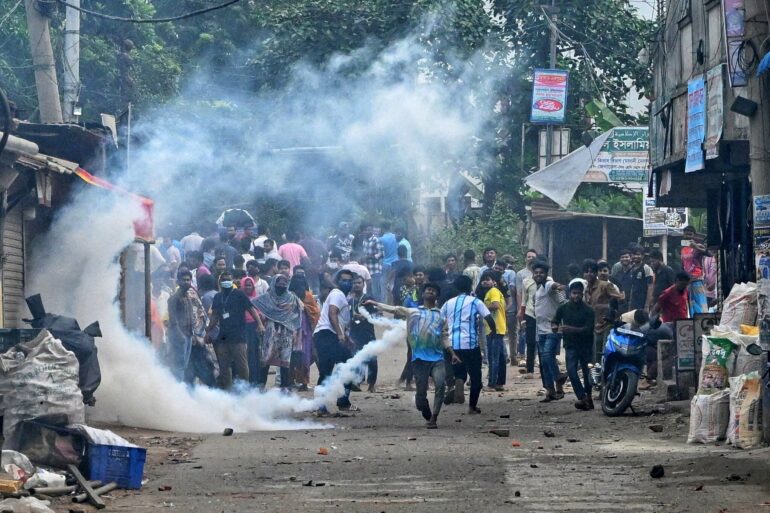
Add Texture to GoogleThe gap between the current minimum wage for garment workers in Bangladesh and their demands ranges from 90 to 215 euros per month. This gap has now become a source of tension in an industry that supplies companies such as H&M, Zara, and Walmart. With Christmas approaching—a particularly busy time for the sector’s exports—production stoppages are causing concern among manufacturers. But behind the issue of deliveries lies another, less visible from the stores: that of wage negotiations that employers are threatening to walk away from, while factory closures could leave workers without pay.
Two Figures for the Same Wage Battle
The mobilization that began in late October has a specific demand: to raise the monthly minimum wage from 12,500 to 30,000 taka. This represents a 140% increase, which would raise this wage from approximately 90 to 215 euros. The last adjustment dates back to the end of 2023. Therefore, it is the level of the base wage itself that is under discussion, not simply a matter of the payment schedule.
At the negotiating table, another figure was put forward. During the second meeting of the wage council, workers’ representatives submitted a proposal for 32,000 taka. This amount must be distinguished from the 30,000 taka figure championed by the protest movement: one corresponds to a formal demand presented to the negotiating body, while the other reflects the demand expressed by the movement. Neither constitutes an agreement at this stage.
The government established this council on November 1. However, an initial point of agreement had already been reached regarding the timeline: the new pay scale was to take effect in December, with the first adjusted salaries paid in January. Agreeing on a date was not enough. The amount still had to be determined, and it is precisely on this point that the employers’ response is still pending.
The international fashion industry also depends on these negotiations
Reducing the conflict to a local dispute would obscure the sector’s true scale. The garment industry employs some four million people in Bangladesh and accounts for more than 80% of the country’s export earnings. Negotiations over wages therefore simultaneously affect a very large number of workers and the national economy’s main source of foreign revenue. The stability cited by manufacturers must be measured on this scale.
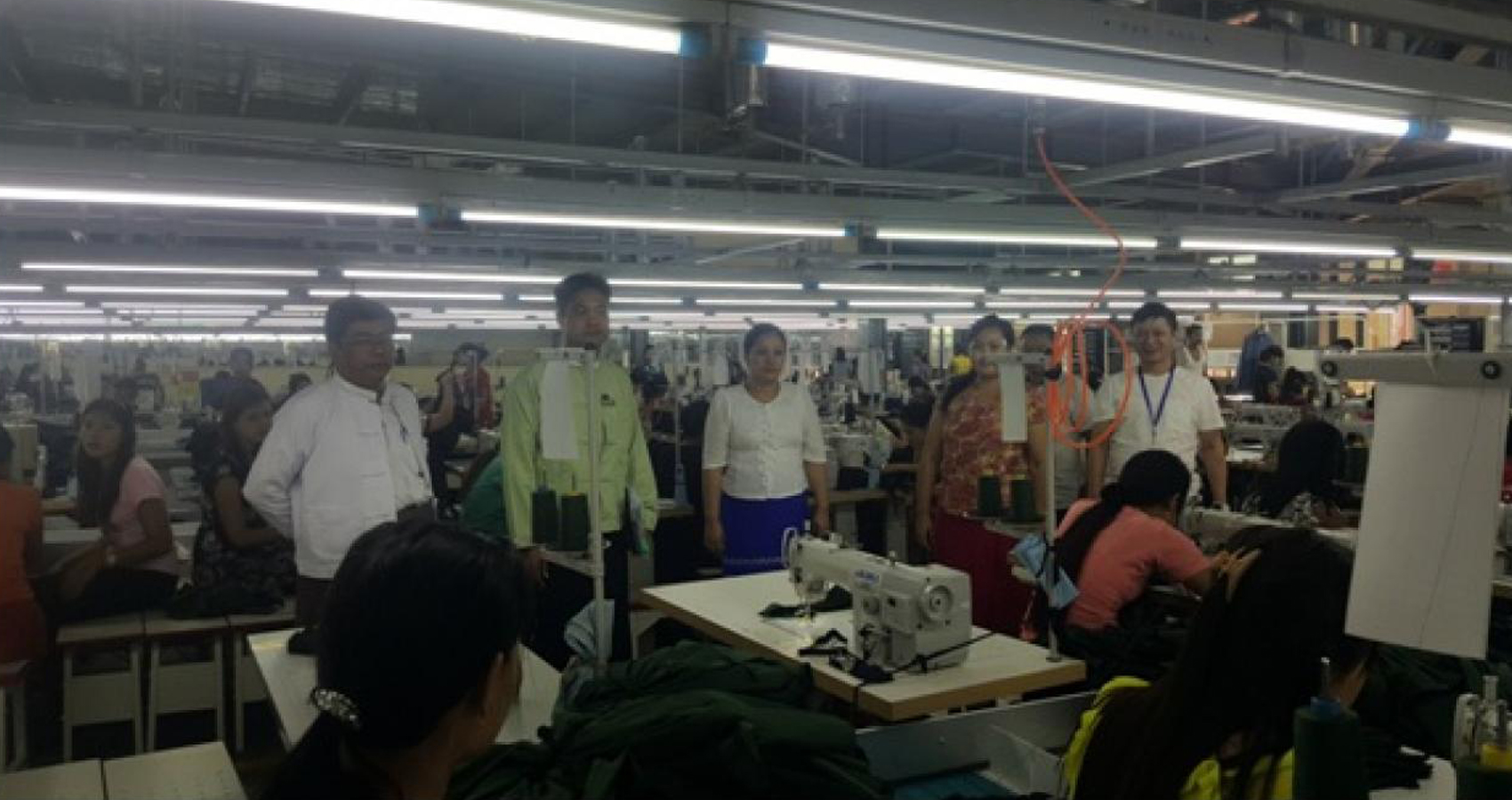
The names of the major retailers also speak to the movement’s scope. H&M, Zara, and Walmart have products manufactured in the country. H&M has already confirmed a temporary suspension of operations at some of its suppliers. The conflict is therefore no longer just a threat to production: work stoppages have actually occurred in the workshops that supply major international retailers.
The timing adds to the pressure. The run-up to Christmas is the busiest period for Bangladeshi apparel exports. Manufacturers must navigate this seasonal surge in activity while workers demand an increase in the minimum wage. The two schedules overlap but do not align: the order schedule does not dictate the pay schedule. And the resumption of production, when it occurs, does not resolve the wage dispute.
Closing factories, suspending wages
The most contentious aspect of the power struggle stems from a provision in labor law. Section 13(1) of the Labor Act authorizes an employer to close all or part of a facility in the event of an illegal strike, without paying the affected workers. This legal provision is significant: it does not mean that every shutdown automatically results in a suspension of wages. But its application means that work stoppages have an immediate impact on the workers involved.
The tally reported by the local press indicated that 147 factories were shut down, affecting approximately 300,000 employees. This total encompassed two situations: 55 facilities had already closed under this legal provision as of Thursday; 92 others were unable to produce on Saturday. These were therefore not 147 closures all decided on the same basis, even though the total figure demonstrated the scale of the disruptions.
For workers affected by the application of Section 13(1), the labor dispute takes a particularly severe turn: demanding higher wages may result in a period without pay. For manufacturers, this provision is presented as a means of addressing the inability to produce. Caught between these two realities, the shutdown was anything but a simple technical break. It became one of the tools in the power struggle.

Employers are making their continued presence contingent on site security
The two major trade associations have jointly hardened their stance: the BGME, which represents apparel manufacturers and exporters, and the BKME, which represents the knitwear sector. At a joint press conference at the BGME’s headquarters in Uttara, in the capital Dhaka, they warned that they might walk away from minimum wage talks and shut down factories indefinitely if the protests continued to lead to acts of vandalism.
Mahmud Hasan Khan, head of the garment employers’ association, thus made continued participation in the negotiations contingent on guarantees for the protection of factories. He also announced that facilities prevented from producing due to the unrest would remain closed, starting the following day, for an indefinite period, citing labor laws.
This stance shifts the focus of the discussion. Instead of focusing solely on the level of the future minimum wage, the talks are now shaped by the situation in the industrial zones. The associations are calling for cooperation from all parties to stabilize the sector; at the same time, they are staking their own participation on the council tasked with reaching a wage agreement.
Disputed Responsibilities, No Response Yet
Employer representatives attribute the stalemate to a small group of workers who are allegedly preventing others from working. Khan referred to employees who may have been influenced by outside groups. These explanations are merely the employers’ version of events: they do not, on their own, establish the source of the unrest. He also noted that the workers’ representatives on the wage council had distanced themselves from the disturbances.
The leader called for swift government intervention to restore order in the industrial zones. Then, on November 15, his remarks hinted at an improvement: some business owners who had closed their facilities under Section 13(1) were willing to consider reopening them. A partial easing of tensions, then, but not yet a breakthrough on wages.
The employers’ counterproposal was scheduled to be presented on November 16, during the third meeting of the wage council. That meeting was postponed. The next meeting is now scheduled for November 23. It is at this meeting that the employers’ offer will be presented in response to the 32,000 taka demanded by the workers’ representatives.