Make Texture a preferred source on Google to support us
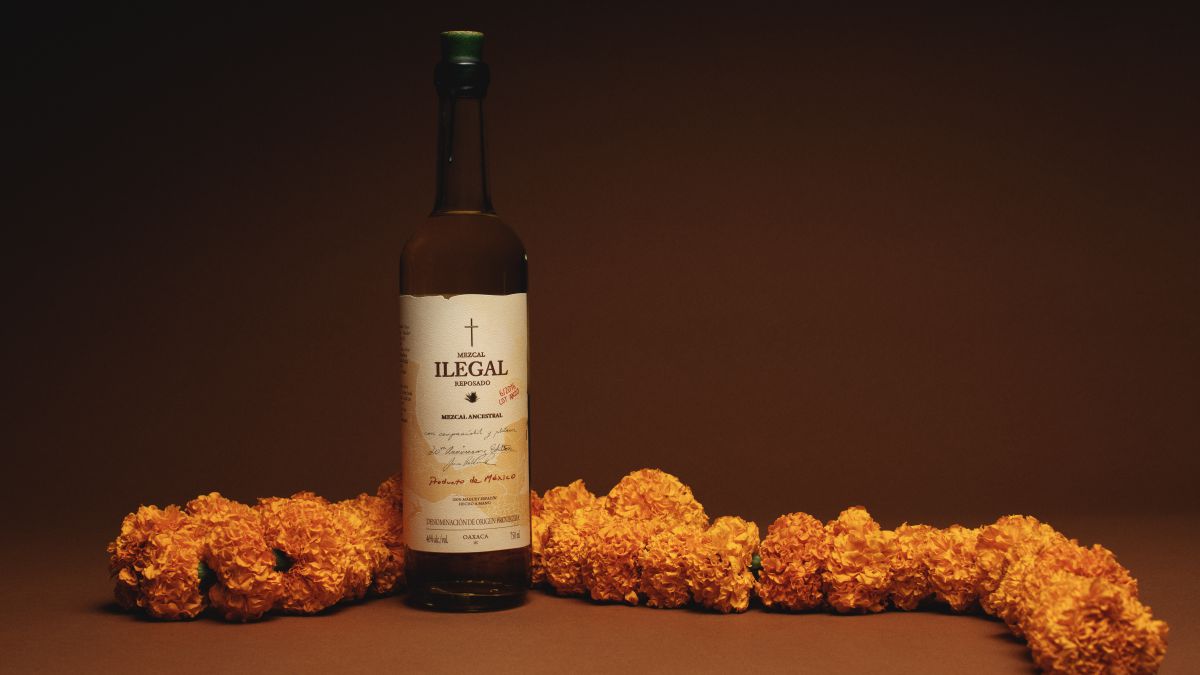
Add Texture to GoogleThere’s a number on the label that isn’t immediately obvious, yet it says it all: 46. That’s the alcohol content of Ilegal Mezcal’s new mezcal, and it’s also how old John Rexer was when he founded the brand. To mark its 20th anniversary, the brand chose to look back to the oldest methods of Oaxacan distillation, rather than releasing yet another anniversary edition. The result is called Ilegal Reposado Ancestral. It is the brand’s first mezcal certified as “ancestral,” and the first ancestral mezcal it has aged. It was distilled with marigold flowers and plantains placed directly into terracotta stills.
From Antigua to a Multinational: Twenty Years of Detours
Ilegal’s story doesn’t begin in Mexico but in Guatemala, in the early 2000s. In Antigua, John Rexer ran a bar, Café No Sé, where he served mezcal he sourced from Oaxaca—uncertified and outside official export channels. The brand didn’t officially come into existence until 2006. The name, however, has never sought to obscure those humble beginnings.
The brand’s journey has since taken on a new scale. In September 2023, Bacardi completed its full acquisition of Ilegal. The release of Reposado Ancestral, announced on November 18, 2026, thus takes place under unique circumstances: a brand born in the back room of a Guatemalan bar, now backed by one of the major spirits conglomerates, celebrating its anniversary with the most artisanal category of mezcal. One might see this as a contradiction. It can also be seen as a way of remembering where we came from at a time when we have the means to forget it.
In Santiago Matatlán, earth, stone, and clay
The mezcal was produced at the Palenque Mal de Amor in Santiago Matatlán, in the state of Oaxaca. At the helm, Armando and Alvaro Hernández—fourth-generation mezcal makers—worked alongside John Rexer. The agave variety used is Espadín (Agave angustifolia), used 100%.
Every step relies on craftsmanship rather than machinery. The agave hearts are cooked in pit ovens dug directly into the ground. They are then ground under a stone mill, the tahona. Next comes distillation, carried out twice using the ancestral method in traditional clay pots. It is this final phase—the slowest and most delicate to master—that sets this project apart from the brand’s other offerings.
Flowers and Plantains in the Still
The most unexpected detail occurs during the second distillation run. The mezcal makers place Oaxaca marigold flowers—cempasúchil—and plantains—plátanos—into the terracotta stills. These ingredients aren’t added to the distillate afterward to flavor it—they’re heated alongside it, in direct contact with the steam and the clay.
It’s a bold choice for a first “ancestral” release. An Espadín distilled on its own would have been enough to convey the message of a return to its roots. By adding an orange-colored flower and a starchy fruit to the pot, Ilegal has created a batch that embraces a piece of local history, using products from the Oaxacan land, at the risk of obscuring the pure expression of the agave. The brand has not disclosed the proportions used or the precise effect each ingredient is expected to have on the final profile.
Two months in wood, not a day more
After distillation, the mezcal spent two months in French and American oak barrels. This is exactly the minimum regulatory threshold required to qualify for the Reposado designation. This figure should be taken at face value: a short aging period, designed to round out the distillate without overpowering it. With a mezcal infused with cempasúchil and plantain, a longer time in wood would likely have erased the very characteristics that the distillation sought to capture.
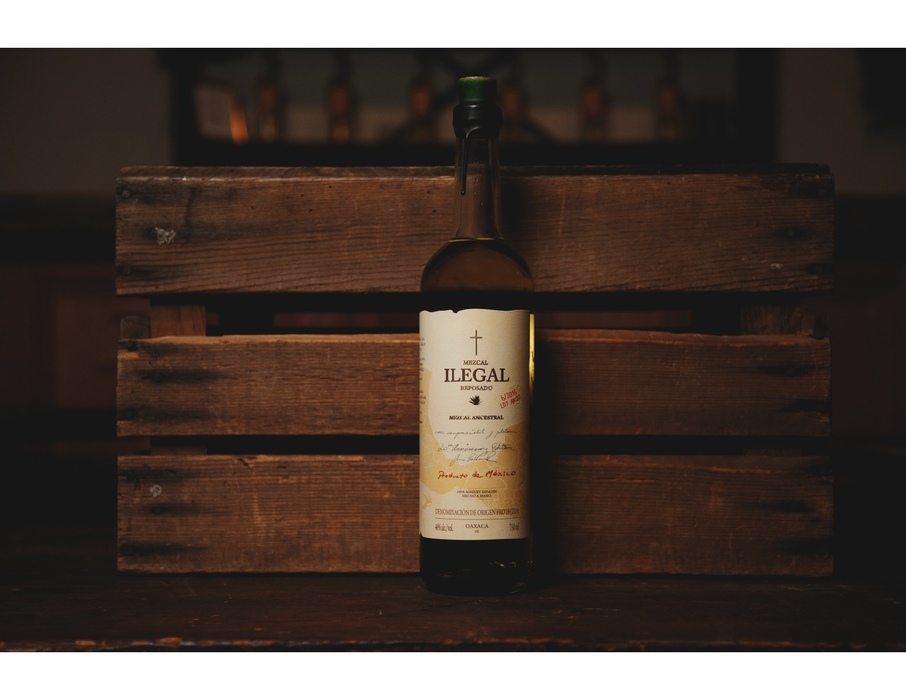
The combination of two types of oak suggests a quest for balance between their respective contributions, but the producer does not specify either the size of the barrels or their previous use, if any. This information has not been disclosed.
What the glass promises
The tasting notes provided by the producer outline a profile that reflects the two stages of production. On the nose, there are earthy notes characteristic of reposado, a herbaceous touch attributed to cempasúchil, followed by vanilla and brown sugar, which can be linked to the time spent in oak. On the palate, the brand describes a balanced and warm mezcal, dominated by cooked and caramelized agave. The finish is described as long and smooth, enhanced by spicy notes.
Plantain, however, is not specifically mentioned in these official descriptions. It’s up to each person to discover, glass in hand, whether it’s hidden behind the brown sugar or the roundness in the mid-palate. As for the 46% ABV, it places this mezcal in a range where the alcohol carries the aromas without overpowering them, and this alcohol content was not chosen at random: it reflects the founder’s age when he created Ilegal.
2,000 bottles and a price in dollars
The release is limited to 2,000 bottles worldwide. The suggested retail price is set at 185 U.S. dollars, a figure updated in November 2026. Availability is scheduled for that same month at select retailers and specialty wine shops.
For Europe, nothing has been finalized yet. Converting the U.S. price gives a rough estimate of about 175 euros, but this is only an estimate: the brand has not released an official price in euros or a distribution schedule for the continent. With such a limited production run and sales restricted to specialty retailers, European enthusiasts will have to keep an eye on announcements from Ilegal or new arrivals at their local wine shops to find out how many of these 2,000 bottles will make their way across the Atlantic.