Make Texture a preferred source on Google to support us
Add Texture to GooglePurchasing a luxury item is no longer the exclusive domain of hushed boutiques and immaculate flagship stores. The days when the secondhand market was hidden away in secretive, almost shameful backrooms are a thing of the past. Today, hunting down a chronograph from the 1970s, getting your hands on discontinued leather goods, or simply bypassing the waiting lists imposed by major manufacturers is a conscious choice—even a status symbol. The secondhand market has become mainstream, structured, and financialized, driven both by environmental concerns and by the spectacular surge in prices for new items. However, the thrill of the hunt collides with a brutal reality. The exponential surge in transactions has inevitably fueled a fraud industry of frightening sophistication. Gone are the crude plastic knockoffs of yesteryear: the collector navigates a minefield where replicas sometimes fool even the most seasoned professionals. Purchasing an exceptional piece now requires the instincts of an investigator, navigating between global platforms and ruthless inspection protocols.
The intermediary’s filter: assessing risk before the item
The buyer’s first line of defense lies not in the item itself, but in the chosen distribution channel. Venturing onto peer-to-peer sales apps—without the safety net of a trusted third party—requires an encyclopedic knowledge of brand history. In this arena, the risk of being scammed is very high. In contrast, specialized retailers have built their business models on mitigating this risk. Leading companies such as Collector Square and Monogram Paris operate under a strict consignment model, requiring physical custody of the merchandise. Every bag and every watch is scrutinized by their in-house experts before appearing in a catalog. This preliminary screening process justifies a higher commission, offset by a legal guarantee in the event of a future dispute.
In contrast, the industry’s international giants operate on a just-in-time basis. A global platform like Vestiaire Collective relies on vast logistics hubs strategically located across several continents. The authentication option—at the buyer’s expense—ensures the item passes through the hands of specialists who verify its authenticity before final shipment. Even historic pioneers of e-commerce like eBay have had to step up their game, introducing specific warranty programs. Once a certain price threshold is reached, a designer watch or pair of shoes is automatically routed to an independent appraisal center. In this market of light and shadow, monetized trust dictates the rules of the game.
The Intelligence of the Material: Beyond Visual Inspection
When the coveted item is finally laid out on the table, the hunt for anomalies begins with a call to the senses. Underground networks are adept at assessing proportions and silhouette, but inevitably stumble when it comes to the intrinsic density of materials. In leather goods, weighing the hardware is the ultimate arbiter. Solid brass or palladium-plated alloys used by manufacturers offer a coldness, resonance, and heft that hollow, injection-molded, or painted metals cannot imitate. A zipper from historic foundries glides with a smooth, muted inertia, free of mechanical snags.
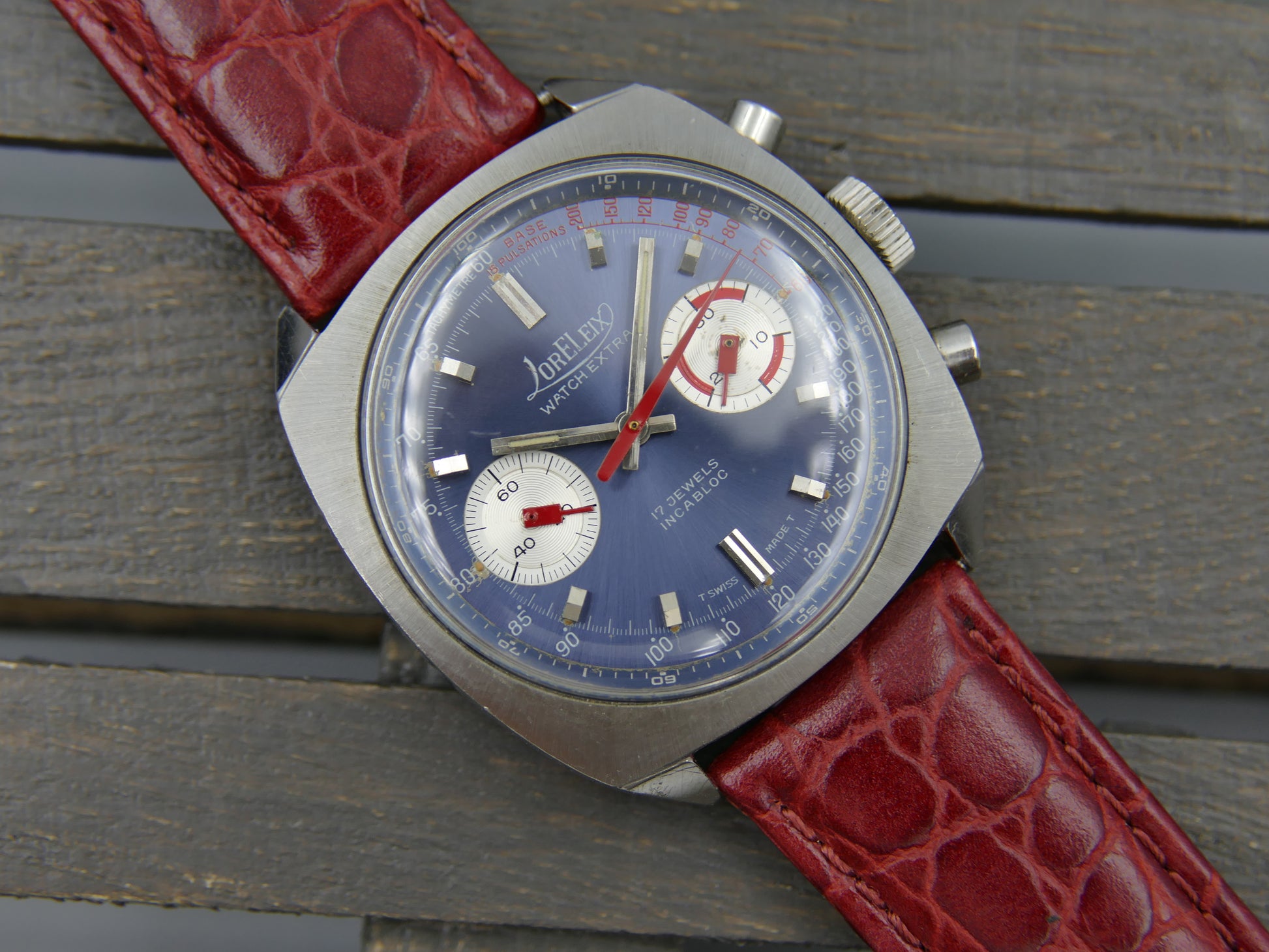
Next, your fingertips and sense of smell take over. Grained calfskin from the great houses has a unique feel: it absorbs heat, bends with suppleness, and reflects light with a subtle matte finish. Conversely, counterfeit leather often gives off unpleasant chemical odors, telltale signs of heavy use of solvents in adhesives or hasty chrome tanning. Genuine workshops emit a characteristic organic scent, almost woody, that permeates the fibers for life.
The eye then assesses the tension of the stitching. In traditional upholstery, a hand-sewn stitch made with two needles features a slight angle to each stitch—the signature of the human touch. A thread of surgical precision, stretched to the extreme, betrays an industrial production rhythm. The embossing of crests and lettering adheres to the same rigor: the hot stamping must be imprinted on the leather with absolute clarity, without any ink smudges along the contours—even on a satchel weathered by decades of use.
The Mechanics of Traceability: Deciphering the Codes of the Workshops
Every brand has its own technical “dialect,” a coded language that one must master. On monogrammed coated canvas, the date code hidden inside a pocket or behind a seam reveals more than just a chronological number. It combines the assembly plant code with the exact week and year of manufacture. Cross-referencing this information with the country of manufacture engraved on the exterior allows you to immediately rule out counterfeit items.

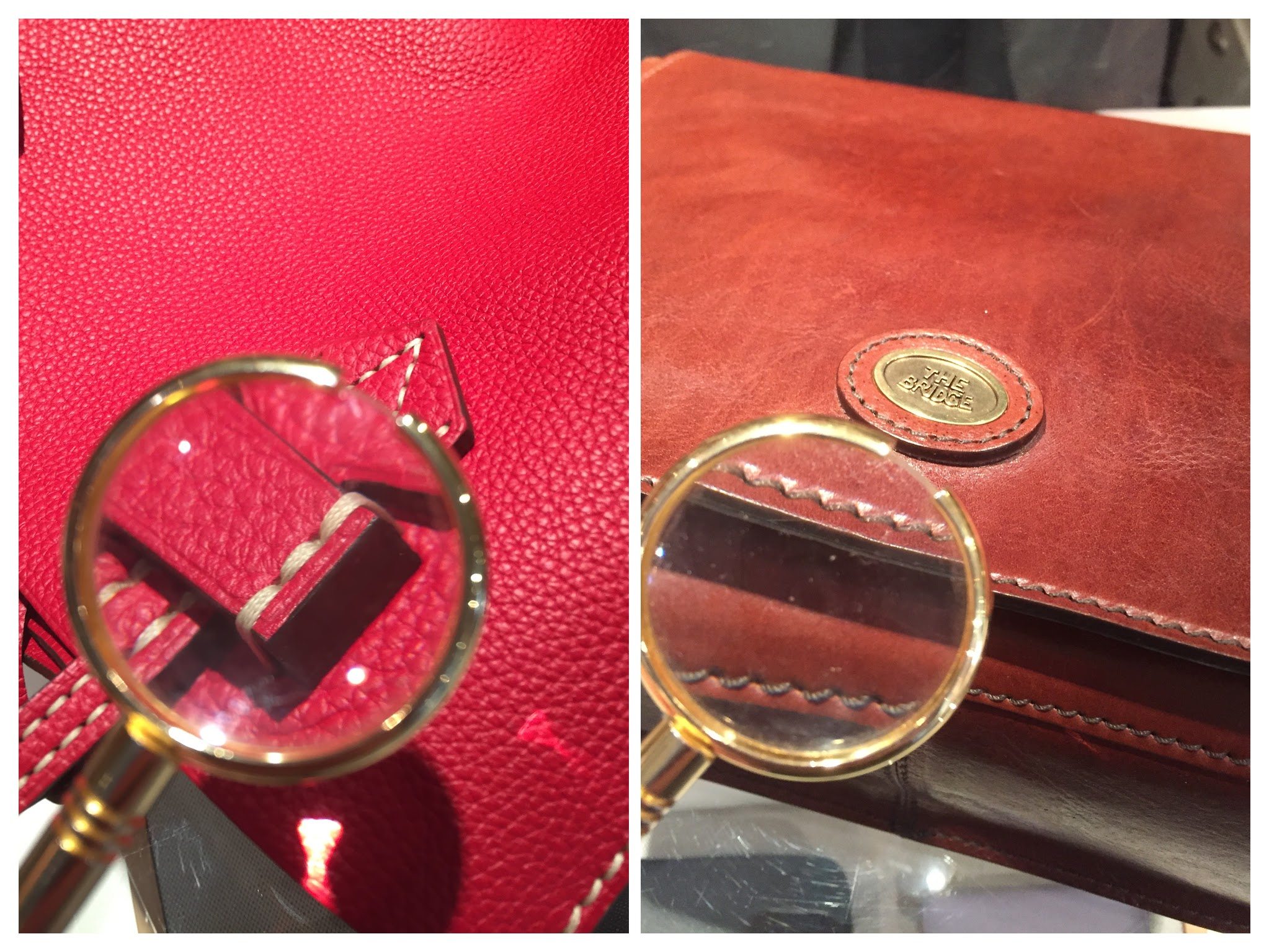
The technical approach varies depending on the era and the manufacturer. For decades, some workshops favored a system of adhesive holograms applied to the lining, accompanied by a certificate of authenticity with gold-edged borders. Experts scrutinize the font design, the intensity of the sticker’s iridescent sheen, and the presence of micro-cut security features with a magnifying glass. Elsewhere, the focus is on the embossed letter. This discreet letter of the alphabet, sometimes stamped within a square or circle behind a strap, indicates the year the piece was made and is accompanied by secret hallmarks identifying the artisan responsible for its assembly.
In the world of watchmaking and jewelry, the standards are raised even higher. Inspecting a luxury timepiece always requires a qualified watchmaker to open the case back. This is not merely a matter of verifying the caliber’s brand, but of identifying even the slightest generic replacement component (gears, bridges, balance springs) installed during an unofficial service. On the exterior, one looks for the engraving of the serial numbers between the lugs of the case or on the flange, as well as secret signatures concealed at a microscopic scale within the stem of a Roman numeral on the dial.
The Technological Arsenal Against Industrial Counterfeiting
Even a highly trained eye is now reaching its limits in the face of the proliferation of extremely high-quality counterfeits. These copies, sometimes called “super-fakes,” are assembled in clandestine workshops that source leather and precious metals from the same suppliers as the luxury houses on Avenue Montaigne. The original templates are scanned in three dimensions, and the metal molds are reproduced with micron-level precision. To counter this troubling imitation, manual expertise must be augmented by computational power.
Leading technology companies have entered this niche market. Devices like Entrupy are becoming standard in retailers’ back offices. The system relies on macroscopic capture lenses connected to an artificial neural network. By scanning the surface of leather or canvas at extreme magnification, the machine analyzes the topology of the pores, the density of the imprints, or micro-abrasions on the clasp. This data is processed and compared in a fraction of a second against a database containing tens of millions of reference images. The algorithm detects variations in the spacing of threads invisible to the naked eye, determining the object’s authenticity with an infinitesimal margin of error.
Caught between speculation in the secondary market and the sophistication of counterfeiters, major luxury houses are overhauling their own manufacturing processes. Vulnerable cardboard cards and holograms are being replaced en masse by radio-frequency identification (RFID) chips, woven undetectably into the piece’s structure. This digital ledger, which tracks the item from the cutting table to the store, irrevocably shifts the balance of power. In the future, the certainty of acquiring a piece of history will depend as much on the ability to read an electronic signature as on the thrill of running one’s fingers over a vintage patina.