Make Texture a preferred source on Google to support us
Add Texture to GoogleThe act of giving follows a subtle dynamic in which the amount spent often takes a back seat to the relevance of the gift. Simply placing a branded box on the table is not enough to guarantee the success of the gesture. The 2026 edition of the guide compiled by Global Brands Magazine, which examines ten pieces from historic houses, serves as a reminder of a stubborn material reality: a poorly chosen gift—whether it costs $175 or $9,000—inevitably ends up at the bottom of a drawer. This ranking, free of any sponsored content and compiled as of November 7, 2026, based on the brands’ U.S. platforms, maps the market through five very concrete lenses, ranging from the object’s origins to the financial health of its manufacturer.
The Anxiety of the Millimeter
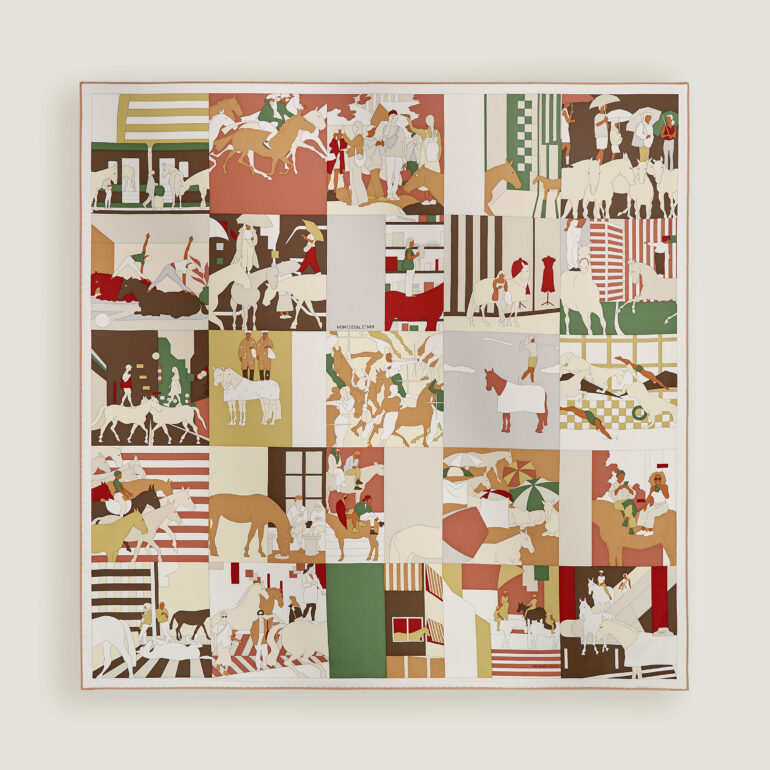
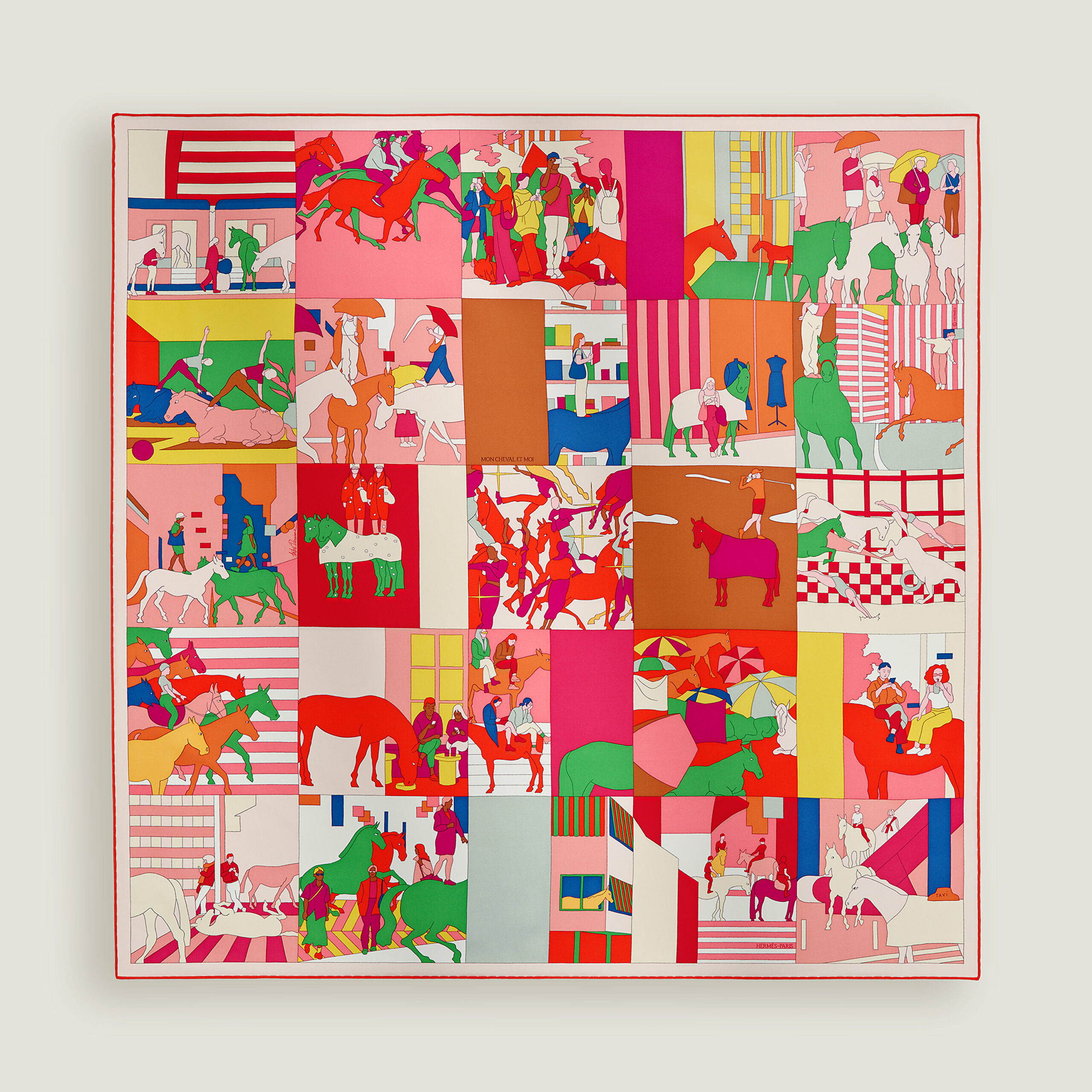
The primary distinction between a brilliant idea and a predictable failure lies in the fit. By placing the Hermès scarf at the top of its ranking, the study highlights the tactical advantage of a one-size-fits-all design. Priced at $660, the 90-format “Mon Cheval et Moi” square scarf, designed by artist André Derainne, unfolds to approximately 88.5 centimeters of 100% silk twill—woven and hand-rolled in France—without requiring any prior measurements. The gesture is direct, free from any body-shape constraints.
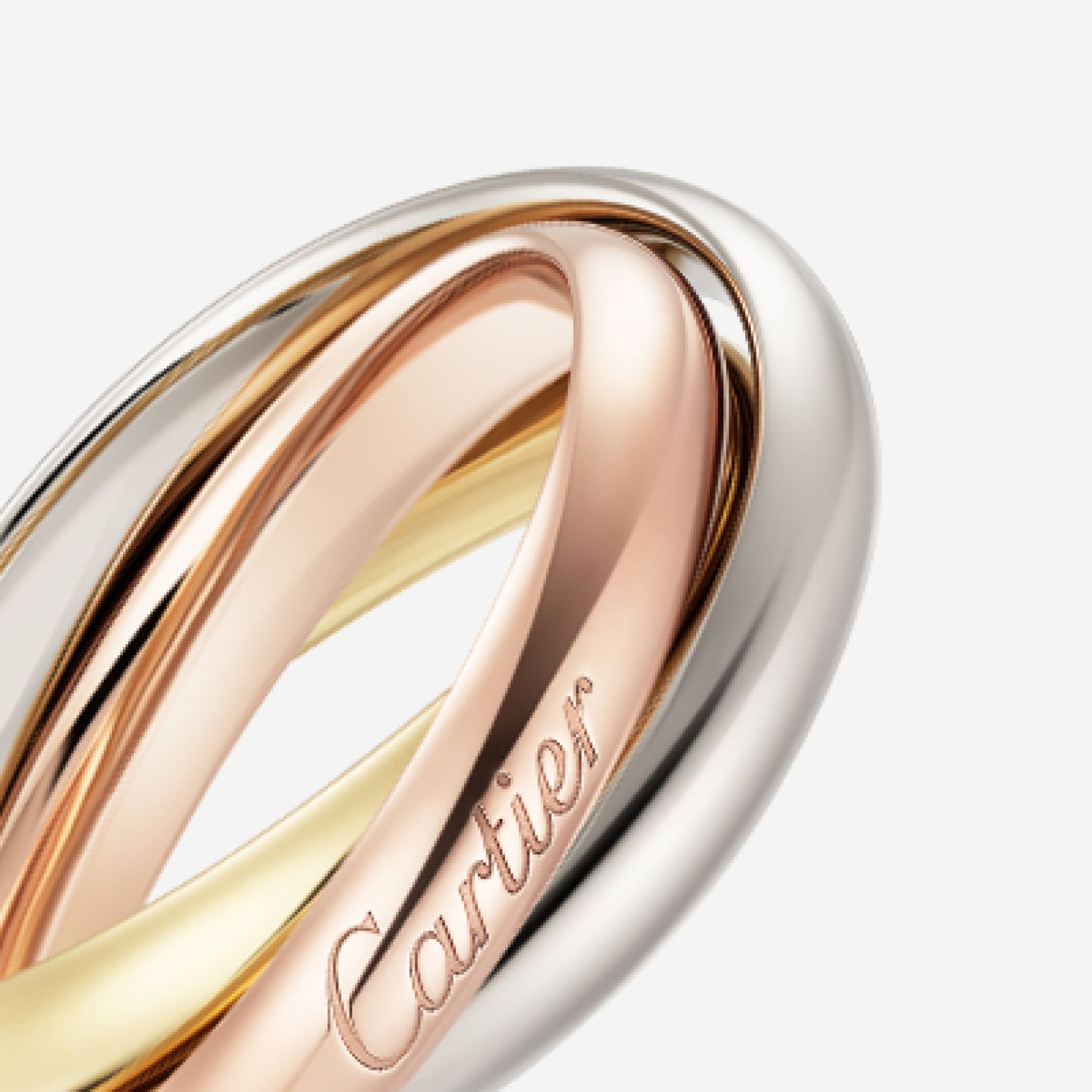
Conversely, choosing jewelry requires a discreet and precise assessment. Priced at $2,350, Cartier’s Trinity ring is based on three intertwined bands, a design conceived by Louis Cartier as early as 1924. While this piece certainly complements a variety of styles, not knowing the recipient’s ring size immediately turns the purchase into a risky gamble. The brand’s prestige does not make up for an incorrect size.
Intruding on Material Intimacy
Beyond the geometry of the body, a gift insinuates itself into the recipient’s daily routine. Giving a perfume amounts to a veritable olfactory intrusion. Chanel No. 5, in its eau de parfum version ($190 for 100 ml), may have built its legend since 1921 on a precise blend of May rose, jasmine, citrus, aldehydes, and Bourbon vanilla, this historic longevity does not dictate how it interacts with the skin. The scent reacts to the skin, and preferences remain strictly personal.
The same observation applies to the sillage of Jo Malone London’s English Pear & Freesia Cologne. Positioned as the most affordable option in the lineup at $175 for 100 ml, this lighter formulation requires a specific application technique, involving repeated applications throughout the day.
This usage constraint applies with equal rigor to writing instruments. The Montblanc Meisterstück Classique fountain pen, which debuted in 1924 and retails for $870, imposes its own sense of time. Using it requires an ink bottle, a practiced hand, and a bit of preparation. If the intended user jots down notes on the fly while commuting, the object will lose all its meaning compared to the immediate fluidity of a ballpoint pen from the same line.
Luxury Put to the Test of Time
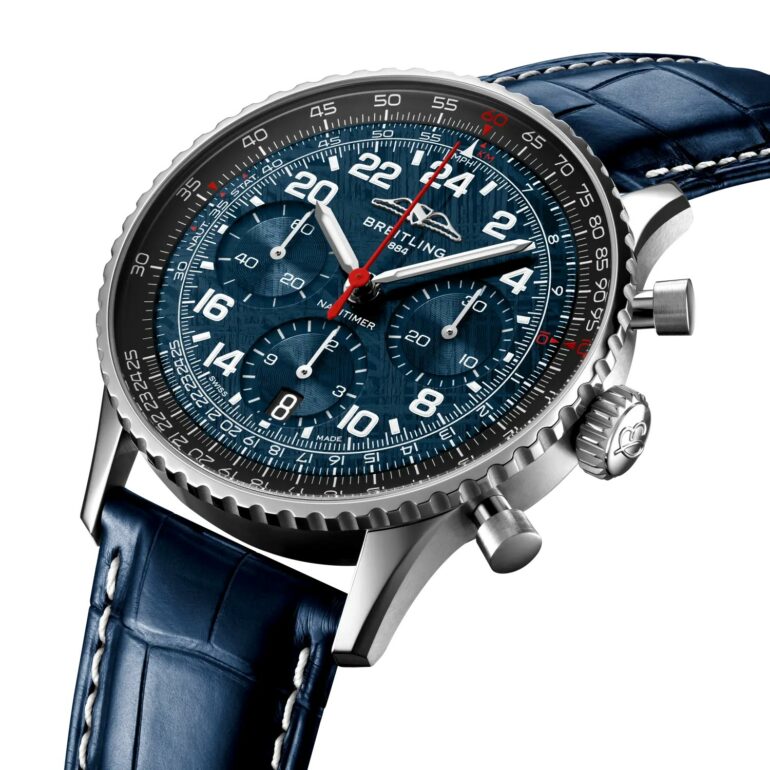
Selecting fine materials or sophisticated mechanisms implicitly commits the recipient to making an effort to maintain them. The most expensive piece identified in the analysis—the Omega Speedmaster Moonwatch Professional at $9,000—houses the Master Chronometer-certified Caliber 3861. The Swatch Group is quick to highlight the pedigree of this timepiece, which has been NASA-certified since 1965 and was the first model worn on the Moon. However, its hand-wound movement requires daily discipline that may prove tedious for those accustomed to the self-winding convenience of automatic movements.
In a very different price range, the heart-shaped Return to Tiffany pendant also requires regular maintenance. Priced at $350, this silver piece—directly inspired by a keychain launched by the American brand in 1969—will inevitably tarnish without careful polishing. The silk of the Hermès square scarf, for its part, demands constant care to prevent even the slightest snag, proving that the longevity of an exceptional piece always depends on the vigilance of its owner.
Behind the Label: The Dynamics of Financial Statements
A brand’s financial stability reassures the buyer, but it does not tell the whole story of an individual creation’s desirability. The inclusion of corporate balance sheets in Global Brands Magazine’s criteria provides structural insight that is sometimes disconnected from the emotional value of the purchase. The aesthetic of the GG canvas on Gucci’s Essence Classic cardholder makes it a functional gift at a moderate price point ($285), even if the logo’s ubiquity will always be a point of contention. This ranking comes, however, amid a complex climate for the brand: the Kering Group has projected 2025 revenue of 5.992 billion euros for its flagship label, representing a 19% decline on a like-for-like basis.
In contrast, Brunello Cucinelli’s company, founded in 1978, is on an upward trajectory. The brand’s cashmere sweater, priced at $1,350, is part of an overall product lineup that generated 1.408 billion euros in revenue for the 2025 fiscal year, representing an 11.5% increase at constant exchange rates. Across the Channel, Burberry relies on its check pattern—originally designed around 1920 to line the inside of coats—to drive sales. Its cashmere scarf, priced at 450 pounds sterling (the only price noted in the study for the British market), supports an “outerwear and scarves” division that posted double-digit growth in the second half of the year. This momentum will allow the London-based brand to stabilize its annual revenue at 2.42 billion pounds through March 2026.
However, the structure of major luxury conglomerates makes interpreting these performance figures challenging. The 16.5 billion euros in sales reported by Richemont’s jewelry houses (+14% at constant exchange rates for the fiscal year ended March 2026) include Cartier, but the conglomerate does not specify the exact share attributable to its flagship brand. Similarly, the fragrance division generating more than $1 billion in sales at The Estée Lauder Companies in 2026 includes Jo Malone, without quantifying the specific contribution of each bottle of cologne. As for Hermès, the house posted 16.0 billion euros in revenue for 2025 (+8.9% at constant exchange rates), confirming the strength of its business model.
The Logistics of Attention
Given the multitude of these factors, the most prudent strategy is to anticipate misdirection. Choosing a close-fitting item—a ring, a sweater, a watch strap—requires locking in the return conditions at the time of payment and retaining proof of purchase. The supply chain plays a central role here: finalizing the transaction directly with the brands or their authorized retailers eliminates doubts about authenticity and guarantees access to service centers for future repairs.
The geographic origin of the purchase also changes the equation. The findings on price tags compiled in the United States by the British study cannot be directly applied to France or Switzerland, as each region operates with its own currency and tax adjustments.
Purchasing a design icon or a piece of a brand’s heritage does not exempt one from observing the habits of the person who will inherit it. Luxury does not tolerate approximation. Ultimately, a scarf or a small leather cardholder used every morning will always have more impact than a certified chronograph or a fragrance relic doomed to gather dust on a shelf.