Make Texture a preferred source on Google to support us
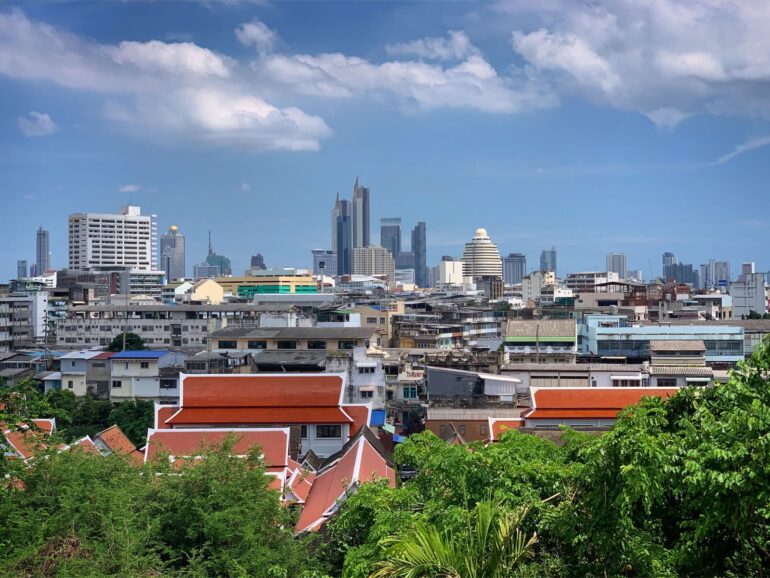
Add Texture to GoogleBang Rak is no longer defined solely by its illustrious past as a river port. While merchant ships once docked in front of the imposing facades of the Customs House on the east bank of the Chao Phraya River, the neighborhood long seemed frozen in a certain colonial melancholy. As expatriates flocked en masse to the glitzy skyscrapers of Sukhumvit Road, a profound transformation took place along the narrow streets of this historic district. It is no longer just a gateway to Thailand, but an open-air laboratory where a new generation of local designers is reinventing Bangkok’s urban identity. Here, store names clash in a multilingual poetry: House of Gems, Heritage Gems, Gem Plaza, and the most memorable of all, Gem Gems. Amid graffiti-covered metal shutters and faded red lanterns that bear witness to the Sino-Thai heritage, Bang Rak today exudes a raw creative energy, far removed from the polished tourist circuits.
The Workshop of Ideas and the Art of Transmission
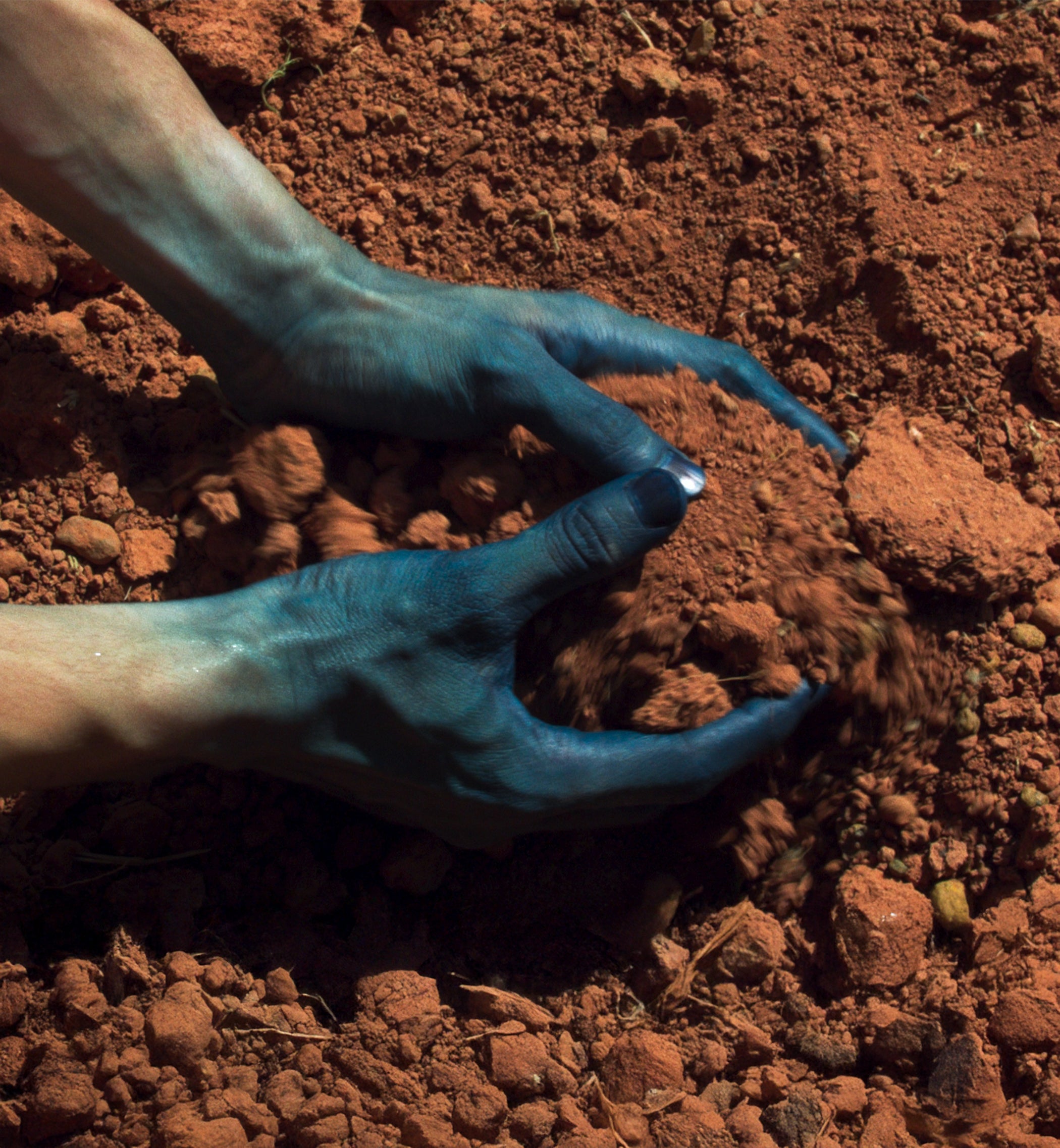
Bang Rak’s revival is spectacularly embodied in the former printing plant of the Daily News newspaper. This building, named Prachoom Chang—which literally means “the gathering of makers”—has become the epicenter of a collective movement. It is here that the fashion brand Philip Huang has chosen to set up its natural dyeing workshop and flagship store. The space does more than just sell clothing; it houses monumental dye vats designed by contemporary artist Pinaree Sanpitak, bridging the gap between textile craftsmanship and visual art. In this shared ecosystem, you’ll also encounter designer Channatip Chanvipava and Ivan Pun, whose Burmese furniture brand, Paribawga, brings a raw sophistication to the whole. This strategy of collectively occupying large industrial spaces defines the neighborhood’s new identity: a place where friends and like-minded individuals merge their worlds to breathe new life into forgotten structures.
Just a few steps away, on Si Phraya Road, the art scene took a decisive turn in 2025 with the arrival of Nova Contemporary. Under the leadership of gallery owner Sutima Sucharitakul, this space has become the must-see showcase for Thailand’s rising artistic talent. Artists such as Latthapon Korkiatarkul, Vacharanont Sinvaravatn, and Prae Pupityastaporn explore the tensions between tradition and modernity there. Three doors down, the journey through time continues at Glamma Vintage. More than just a boutique, it’s a veritable museum of haute couture where the owner collects exceptional pieces. Access is often restricted to by-appointment-only visits, reinforcing the impression of stepping into Aladdin’s cave—reserved for international fashion insiders passing through the capital.
Hotel Heritage and Architecture in Motion
Bang Rak’s hotel scene reflects this duality between military history and urban futurism. On Surawong Road, the Beanstalk Bangkok occupies the building that once housed the New Fuji Hotel. A small brass plaque on the unassuming facade serves as a reminder that American soldiers on leave during the Vietnam War once found refuge there. Today, this 57-room boutique hotel has been transformed to celebrate the neighborhood’s Sino-Thai cultural heritage, offering an intimate alternative to the luxury giants lining the river. For an even more timeless escape, the Neilson Hays Library remains a pillar of the community. This 19th-century neoclassical building, a private English-language library, has been home since last year to a café run by the local chain FIX. Here, you can enjoy bowls of fruit yogurt or eggs on sourdough bread in the shade of tropical palm trees, in an atmosphere that seems oblivious to the frenetic hustle and bustle of the megacity.
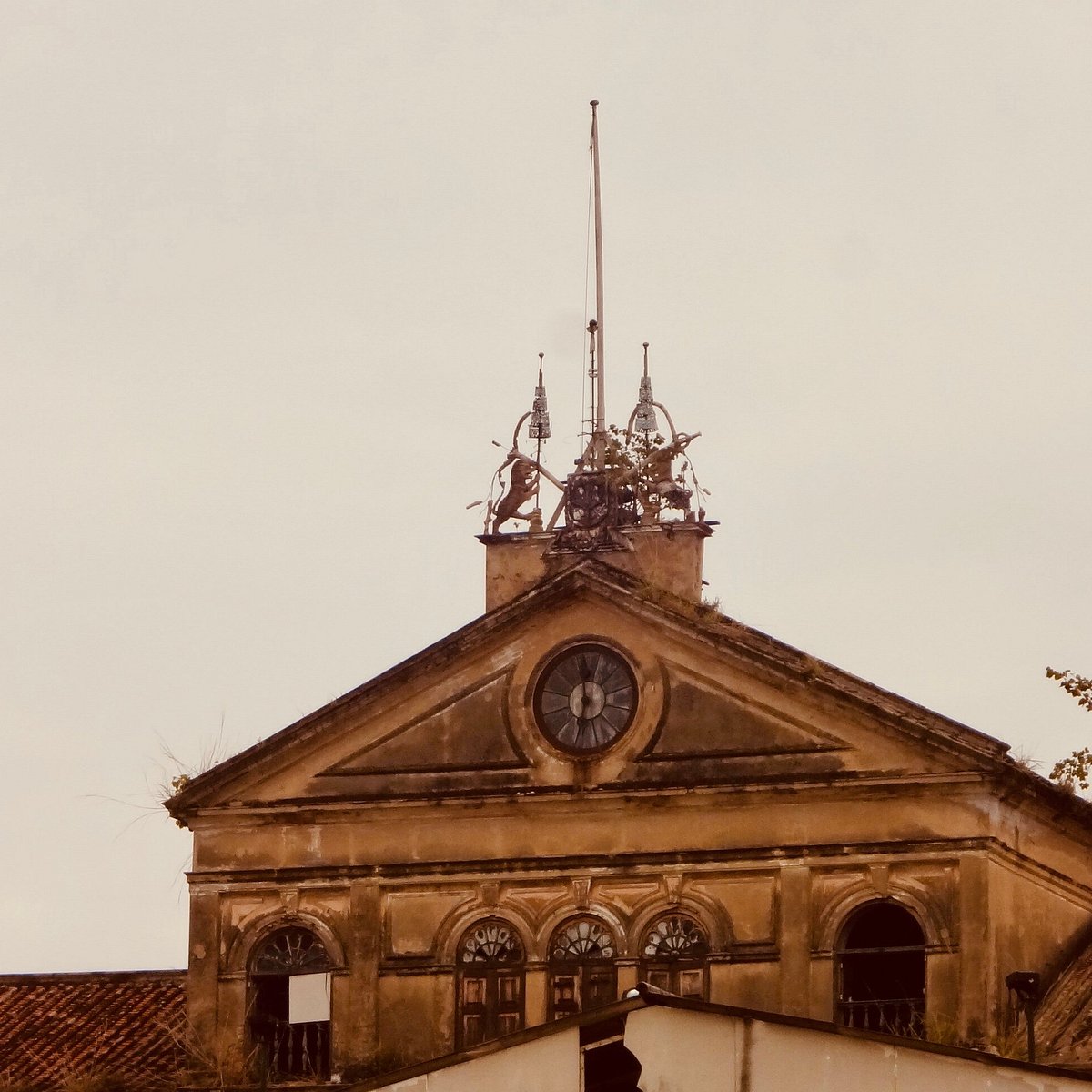
However, architects’ eyes are set on 2027, the year when Bang Rak’s landscape will undergo its most ambitious transformation. The Hatai project, conceived by designer Thomas Heatherwick on the historic site of the Narai Hotel—a 1960s icon known for its revolving restaurant—is currently under construction. This mixed-use complex will notably house Bangkok’s first Six Senses hotel. Not far from there, the venerable Customs House is preparing to embark on its second life. The Langham is preparing a prestigious 75-room opening there. The technical challenge is colossal: the historic building, which had sagged over time, had to be raised by an entire floor to face the Chao Phraya River. A bar with its own private pier has already been announced, promising to become the new gathering spot for watching the ballet of boats on the river—a privilege jealously guarded for a century and a half by the neighboring Mandarin Oriental.

Street Food and High-End Crafts
The culinary scene in Bang Rak is following this same upward trajectory without ever losing sight of its working-class roots. At Samlor restaurant—recognizable by the metal tricycle suspended above the entrance—Thai street food is prepared with the precision of haute cuisine. On weekends, lunch features the catch of the day, sourced directly from the country’s southern coast. For a more laid-back alternative, Kick! Chop! Slice! puts a local spin on New York-style pizza, using Isan sausage, for example, to spice up its artisanal crusts. Heading back toward Si Lom Road, Aunglo by Yangrak recently moved into a larger space to elevate its grilling offerings. Their barbecued pork ribs are already a classic, as is the Khanom Krok Brûlée, a bold reinvention of the traditional coconut pudding.
This vitality extends to the world of design. Kitt Ta Khon, whose first showroom opened in 2024, perfectly illustrates the most vibrant aspects of Thai design. Their hand-woven furniture, adorned with colorful beads and intricate cordwork, redefines vernacular aesthetics. On the second floor, Sukpha stools can be customized before being shipped to the other side of the world. For those traveling light, the shelves are stocked with bamboo fans, rush placemats, and delicate ceramics. Further along, on Decho Road, the Nong Rak boutique offers silk pieces made in Bangkok and a curated vintage selection, confirming that every street in Bang Rak now boasts a strong editorial vision.
At the end of the day, as the heat finally subsides, the neighborhood invites you to engage in a form of urban contemplation. After an iced coffee at Monochrome, a stop at Sala Saneha is a must. Located upstairs in a former antique shop, this hybrid space serves as an independent movie theater, wine bar, and lounge. It screens everything from Thai arthouse films to independent European and American productions. Settling into one of their deep armchairs, a glass in hand, for a late-night screening is undoubtedly the best way to wrap up this immersion in today’s Bang Rak: a neighborhood that has managed to preserve its old trading post charm while becoming the epicenter of modern Thailand.