Make Texture a preferred source on Google to support us
Add Texture to GoogleBeneath the tranquil surface of the oceans, a silent tragedy is unfolding in the darkness of the abyss. Historic shipwrecks, sunken cities, and the remains of ancient ports—once thought to be preserved by the vast expanse of water—are now facing unprecedented deterioration. This underwater cultural heritage—a veritable archive of humanity—finds itself caught in a vise between the acceleration of industrial activities and upheavals in marine chemistry. The conclusion is clear: the remains that have survived centuries of submersion are at risk of disappearing in just a few decades, swept away by a multifaceted tide of destruction.
Mechanical Tilling of the Depths
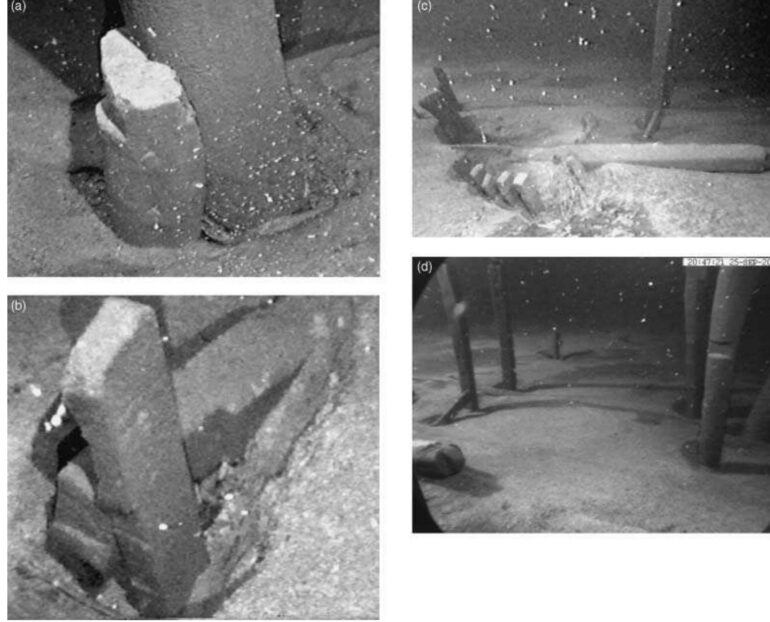
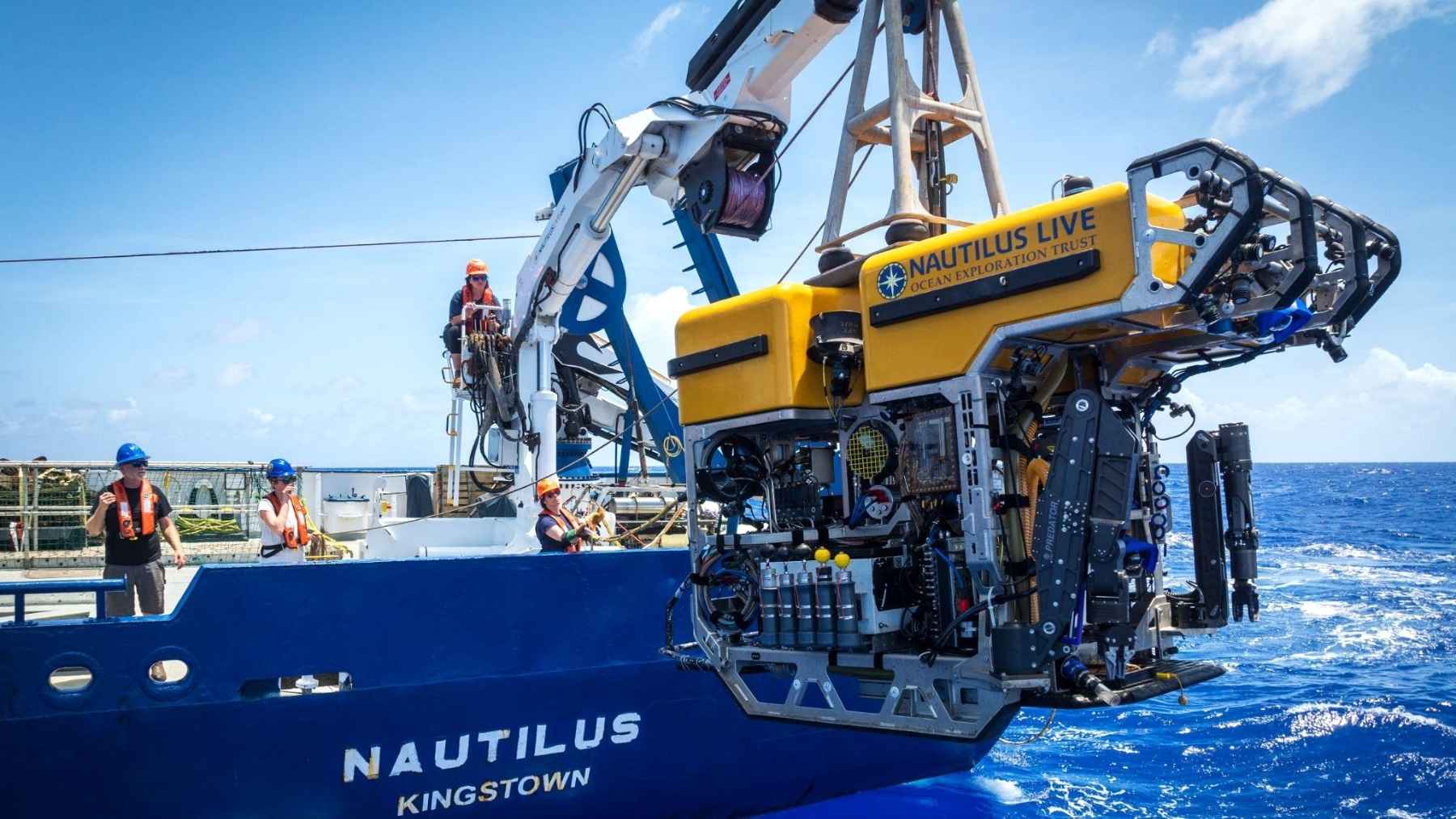
One of the most brutal threats to the integrity of submerged structures comes from industrial fishing, and more specifically from bottom trawling. These vessels deploy weighted nets that scrape the ocean floor, transforming fishing grounds into fields of archaeological ruins. In 2011, during an expedition by the research vessel E/V Nautilus off the coast of Ereğli in the Black Sea, the scale of the disaster was starkly documented. A merchant shipwreck dating back more than 2,000 years, once miraculously preserved, was found severely fractured. Repeated passes by trawl nets crushed the amphorae, tore out the wooden frames, and scattered the hull components, thereby erasing the traces of a millennium-old maritime trade.
This vulnerability is far from anecdotal. Research conducted in early 2026 by the University of Ulster highlights an alarming reality: 95% of known shipwrecks lie in shallow coastal waters. It is precisely these areas, rich in marine biodiversity, that are most heavily trafficked by fishing fleets. In these areas, the use of nets is not governed by any binding legal requirements. While crews sometimes try to avoid identified rocky obstacles or shipwrecks to prevent their equipment from being torn, this informal caution remains the only—and precarious—defense against destruction. Globally, only 0.2% of underwater sites are located in fully protected marine areas, where any abrasive or extractive activity is strictly prohibited.
The Invisible Corrosion of Acidity
Beyond the physical impact of fishing nets, it is a chemical transformation that is eroding the most precious remains. Ocean acidification—a direct consequence of rising carbon dioxide emissions—is turning the seas into a corrosive environment for stone heritage. Since the pre-industrial era, the overall acidity of the seas has increased by about 30 percent, with the pH dropping from 8.0 to 7.9. If current projections hold, this acidity could triple by the end of the 21st century.
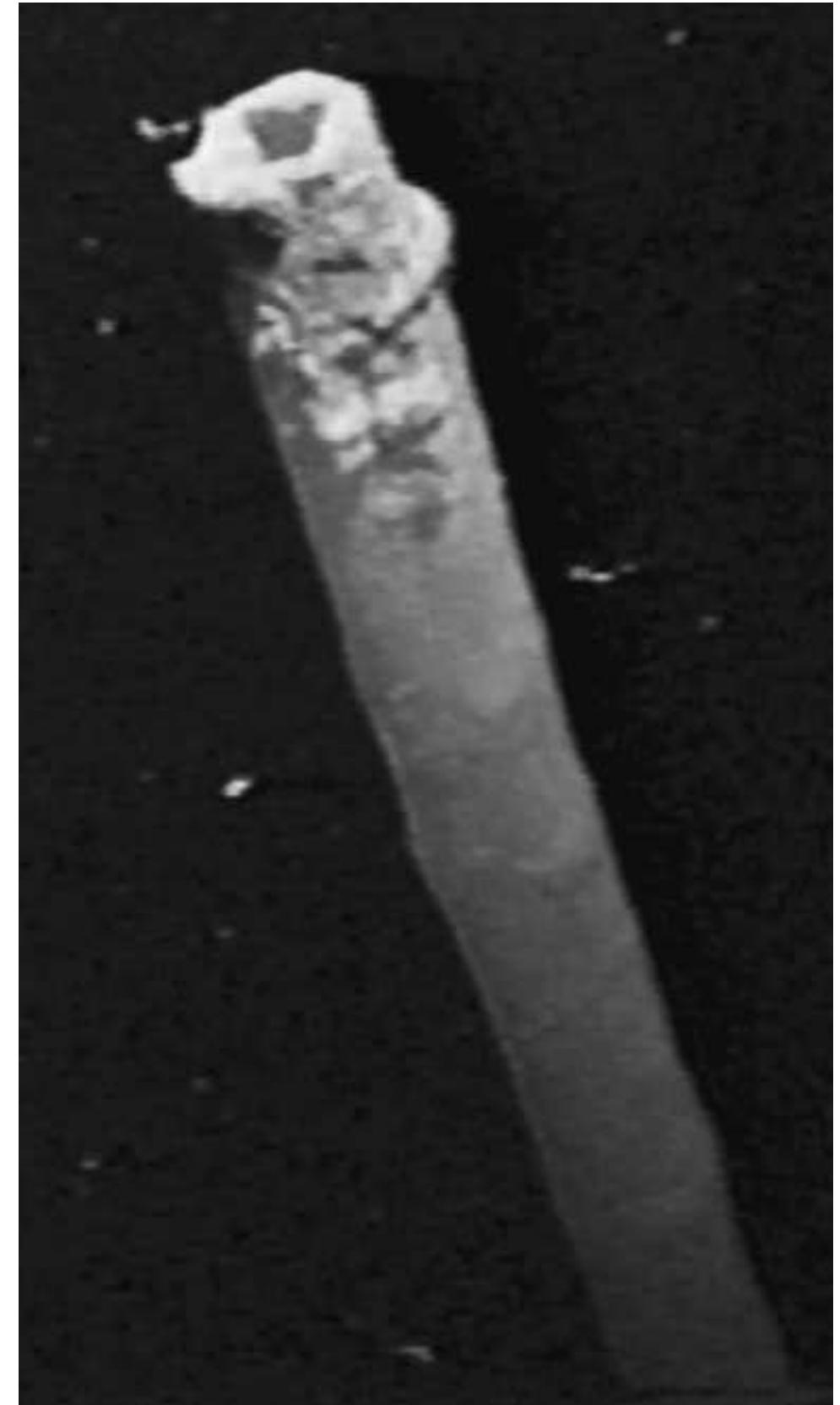
The consequences for ancient sculptures and architectural structures made of marble or limestone are catastrophic. Numerical simulations conducted over a 500-year cycle, using a sculpture from the submerged Roman city of Baiae, Italy, as a model, reveal the extent of the loss of material. While pre-industrial levels allowed for near-perfect preservation of surfaces, projected scenarios for the end of this century indicate erosion exceeding 1 millimeter. This figure, though seemingly modest, nevertheless signifies the permanent loss of the reliefs and fine details that constitute a work’s artistic and historical value. In the most extreme emissions scenarios, erosion could exceed one centimeter in thickness. For softer or more porous rocks, such as certain limestones, degradation that previously took several millennia could now occur within a single century.

The Shadow of Mining and Plunder
The imminent expansion of deep-sea mining adds a new layer of uncertainty. This industry, focused on the extraction of critical metals such as polymetallic nodules or cobalt-rich crusts, is currently in the exploration phase. Although the first mining permits do not yet directly overlap with a large number of documented shipwrecks, the lack of comprehensive protection is cause for concern. With 99.8% of the seafloor lacking a formal exclusion clause against industrial exploitation, the rapid expansion of this sector could lead to irreversible destruction even before archaeologists have had a chance to inventory these deep-sea sites.
Added to this industrial pressure is an older but still active threat: direct human predation. The looting of metals for scrap has marked the history of many sites, such as the Gallipoli shipwrecks, which, until the 1970s, were dismantled, sometimes with the use of explosives. Today, this exploitation is compounded by commercial treasure hunting and unregulated underwater tourism. Uncontrolled diver traffic causes repeated physical damage to structures already weakened by time. On the surface, sediment pollution and the massive accumulation of plastic and abandoned fishing gear now form thick layers of debris, making visual monitoring and scientific surveys increasingly difficult.
An International Legal Vacuum
In the face of these dangers, the global regulatory response remains fragmented and inadequate. The 2001 UNESCO Convention on the Protection of the Underwater Cultural Heritage, however, establishes fundamental principles by prohibiting the commercialization and deliberate destruction of submerged sites. However, its effectiveness remains hampered by the failure of major maritime powers—foremost among them the United States, the United Kingdom, and the People’s Republic of China—to ratify it.
At the same time, the 1982 United Nations Convention on the Law of the Sea addresses archaeological aspects only marginally. This gap leaves the high seas—an area increasingly coveted by extractive industries—without a binding protection regime. As long as international industrial activities are not subject to strict archaeological preservation protocols, submerged heritage will remain at the mercy of exploitation without regard for its historical significance. The inevitable disappearance of these fragments of history—under the combined blows of trawl nets and ocean acidification—marks an irreparable loss for our understanding of past civilizations, gradually transforming the ocean’s archives into a silent desert.