Make Texture a preferred source on Google to support us
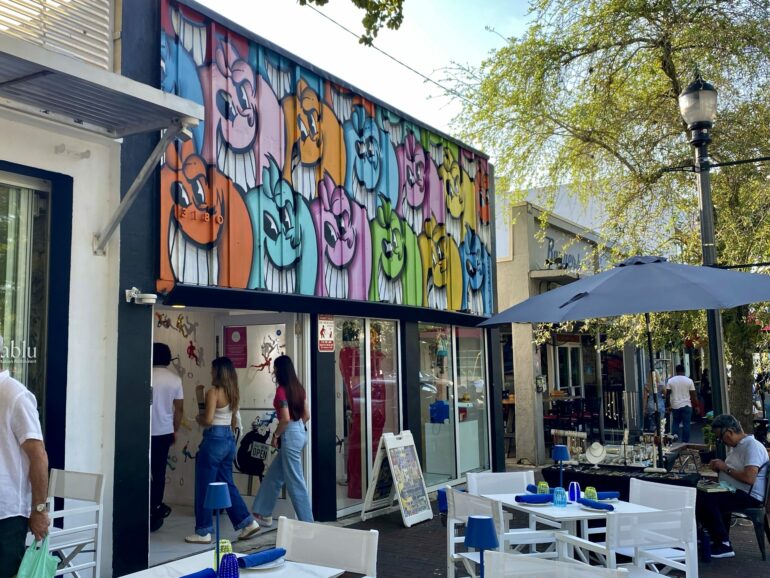
Add Texture to GoogleIn Coconut Grove, a Miami neighborhood known for its boho-chic vibe and stylish galleries, 3180 Commodore Plaza is no longer of interest to collectors. The location, which once housed the Miami Fine Art Gallery, is now at the center of an art fraud scandal of unusual magnitude. Leslie Howard Roberts, the owner of the establishment, was sentenced on October 2, 2026, to 46 months in federal prison. At age 62 or 63—with slight uncertainty remaining in official records regarding his exact age at the time of sentencing— this man, who moved in the upper echelons of Florida’s art market, is seeing his career come to an end behind bars for orchestrating a vast forgery operation centered on the work of Andy Warhol.
The Architecture of a Sophisticated Deception
Case No. 25-cr-20142, heard by the U.S. District Court for the Southern District of Florida, lifts the veil on a particularly meticulous fraud scheme. Leslie Roberts did not merely sell copies; he had built an entire ecosystem of credibility to deceive even savvy buyers. The modus operandi relied on the systematic forgery of provenance documents. Roberts issued fake invoices in the name of the Andy Warhol Foundation for the Visual Arts (AWF), affixed counterfeit stamps from the organization, and inscribed false identification numbers on the backs of the canvases.
The ingenuity of the fraud extended to the digital realm. To correspond with his clients and reassure even the most skeptical, the gallery owner used a misleading domain name ending in “.co,” mimicking the Warhol Foundation’s official “.org” address. Even more audaciously, he provided certificates of authenticity purportedly issued by the Andy Warhol Art Authentication Board. One detail, however, should have alerted investors: this authentication committee officially ceased operations in 2011. To perfect the charade, Roberts did not hesitate to send accomplices to handle the transactions. Carlos Miguel Rodriguez Melendez, for example, posed as an expert from a major international auction house to validate the authenticity of silkscreen prints of Marilyn Monroe and Debbie Harry, which were in reality nothing more than crude counterfeits.
The Downfall of a Repeat Offender in the Art Market
This sentence of nearly four years in prison is not Leslie Roberts’ first run-in with the law. His criminal record reveals a repeat offender whose methods have become increasingly sophisticated over time. In 2015, he had already served a 22-month sentence for selling fake paintings attributed to Romero Britto and Peter Max. In 2018, while on probation, his probation was revoked following an attempt to negotiate the sale of a fake work by Jean-Michel Basquiat. This persistent criminal behavior weighed heavily on Federal Judge Roy K. Altman’s decision when handing down the current sentence.
Roberts’ arrest, which took place on April 9, 2025, following an FBI raid on his gallery in Coconut Grove, quickly led to the closure of the business and its bankruptcy. On June 10, 2026, Roberts pleaded guilty to one count of conspiracy to commit wire fraud. This plea allowed the money laundering charges to be dropped, but was not enough to spare him a significant prison sentence. In addition to his 46-month prison sentence, he will be subject to three years of probation upon his release.

The Financial Loss and Trauma Suffered by Collectors
The financial scale of the case is staggering. The forfeiture and restitution order was set at $2,581,465 (approximately 2.38 million euros), an amount corresponding to the direct proceeds from the Warhol fraud. However, the actual damages could be much higher. In a civil lawsuit filed between 2024 and 2026, collector Richard Perlman and his family claimed to have paid Roberts more than $6.7 million for the acquisition of over 200 pieces, all suspected of being forgeries.
The Perlman case illustrates the fragility of trust mechanisms in the secondary market. The family’s suspicions were not confirmed until late 2023, following an expert appraisal commissioned from specialists at Christie’s. The buyers subsequently discovered that the so-called experts sent by Roberts to authenticate the works had no connection to Phillips auction house, whose identity they had impersonated. Although a confidential out-of-court settlement brought the civil lawsuit against Roberts to a close in January 2026, the Perlmans filed a new lawsuit in the fall of 2026 against the intermediaries and alleged suppliers of the disputed paintings. A follow-up hearing, scheduled for January 2027, will determine the final amount of restitution owed to the victims as part of the criminal proceedings.
Cooperation with Uncertain Outcomes
In light of the severity of the sentence, Leslie Roberts’ defense team, represented by Attorney Jason Wandner, sought to highlight the defendant’s value to the authorities. According to briefs filed by his attorney, Roberts is actively cooperating with federal investigators from the FBI Art Crime Team to dismantle other art fraud networks operating within the United States. This cooperation has reportedly already led to the execution of several search warrants, although no additional arrests have been officially confirmed to date.
Judge Altman took note of these assertions, describing the 46-month sentence as “fair and reasonable,” falling at the lower end of the range recommended by federal sentencing guidelines. The defense, however, hopes to secure a future reduction in sentence if the information provided by Roberts leads to concrete results. In the meantime, his accomplice, Carlos Miguel Rodriguez Melendez, received a significantly lighter sentence: one year of probation and restitution of $5,000, reflecting his minor role in this scheme that once again shook up the art market in Florida.
Collectors and institutions can view the details of the proceedings on the PACER portal to track the progress of restitution and any new indictments related to this network.