Make Texture a preferred source on Google to support us
Add Texture to GoogleHe begins by apologizing. Before getting to the point, Brian Jones takes care to defuse any potential irritation on the part of the recipient: “Dear Charlie, if you consider this letter rather impertinent, please excuse me. ” The caution is understandable. In June 1962, the young musician was about to take a somewhat bold step: convincing the regular drummer of an established London band to join a group that had never yet performed under its own name. This letter, addressed to “Mr. C. Watts,” has been preserved for more than six decades by the drummer’s family. It will be auctioned on December 15, 2026, by Sotheby’s in New York.
A Full-Fledged Poaching Attempt, in Writing
The document is dated June 3, 1962 (the auction descriptions refer more broadly to “June 1962”). It predates the band’s very first performance under the name The Rolling Stones by just a few weeks, in July of that same year. At this stage, nothing really existed yet, except for ambition and a work schedule. Jones makes this clear: the band rehearsed three times a week, on Mondays, Wednesdays, and Fridays.
The heart of the letter lies in a direct proposal. Jones first inquires about Watts’s situation within Blues Incorporated, Alexis Korner’s band, then makes his case: “We are looking for a good drummer. Already we consider our band far better than Alex’s—we’re developing a very tight sound.” In other words: we’re looking for a good drummer; we already consider our band far better than Alex’s; and we’re developing a very tight sound.
The confidence is palpable. Blues Incorporated was then one of the leading bands in the London rhythm-and-blues scene, and Jones refers to its leader simply as “Alex,” as one might speak of a neighbor whose band one considers overrated. The tone oscillates between the deference of the opening and an almost defiant self-assurance. That’s what makes the piece so accessible sixty years later: we see a young man who knows he’s asking for a lot and chooses not to hide it.
What the postscript reveals
Perhaps the most revealing part is found at the bottom of the page. In a postscript, Jones details the instrumentation of the band he was putting together: two guitars, a harmonica (which he calls “harp,” in blues slang), a piano, and a drum set. He adds that the plan is to add a bass guitar later on. The band that claims to surpass Korner’s thus does not yet have a permanent bassist at the time of this statement.
Then comes the sentence that has undoubtedly contributed most to the letter’s circulation since the sale was announced: “Our present drummer is atrocious!” Jones writes this with an exclamation point, without any qualifying language, and without naming him.
This lack of a name raises a question that the letter does not resolve. Two hypotheses are most commonly cited. The first points to Tony Chapman, who played drums at the band’s debut concert in July 1962 at the Marquee Club. The second points to Carlo Little. No definitive confirmation exists, and the document itself does not allow us to distinguish between the two names. The drummer deemed “atrocious” remains anonymous, which suits a sentence written to persuade rather than to archive.
June 1962: A Band Still in the Making
To gauge what Jones was asking for, one must consider Charlie Watts’s situation at the time. He was making a living as a graphic designer in advertising while also serving as the regular drummer for Blues Incorporated. He therefore had a steady job and an established place in the best possible scene for a rhythm-and-blues enthusiast. Nothing obliged him to join an unknown, unestablished band with no bassist that was still searching for a suitable drummer.
In June 1962, Jones was surrounded by Mick Jagger, Keith Richards, Ian Stewart on piano, and Dick Taylor, who played guitar or bass and would later form The Pretty Things. The postscript to the letter reveals the makeup of this group: the guitars, Stewart’s piano, the harmonica, and that bass line still in its early stages.

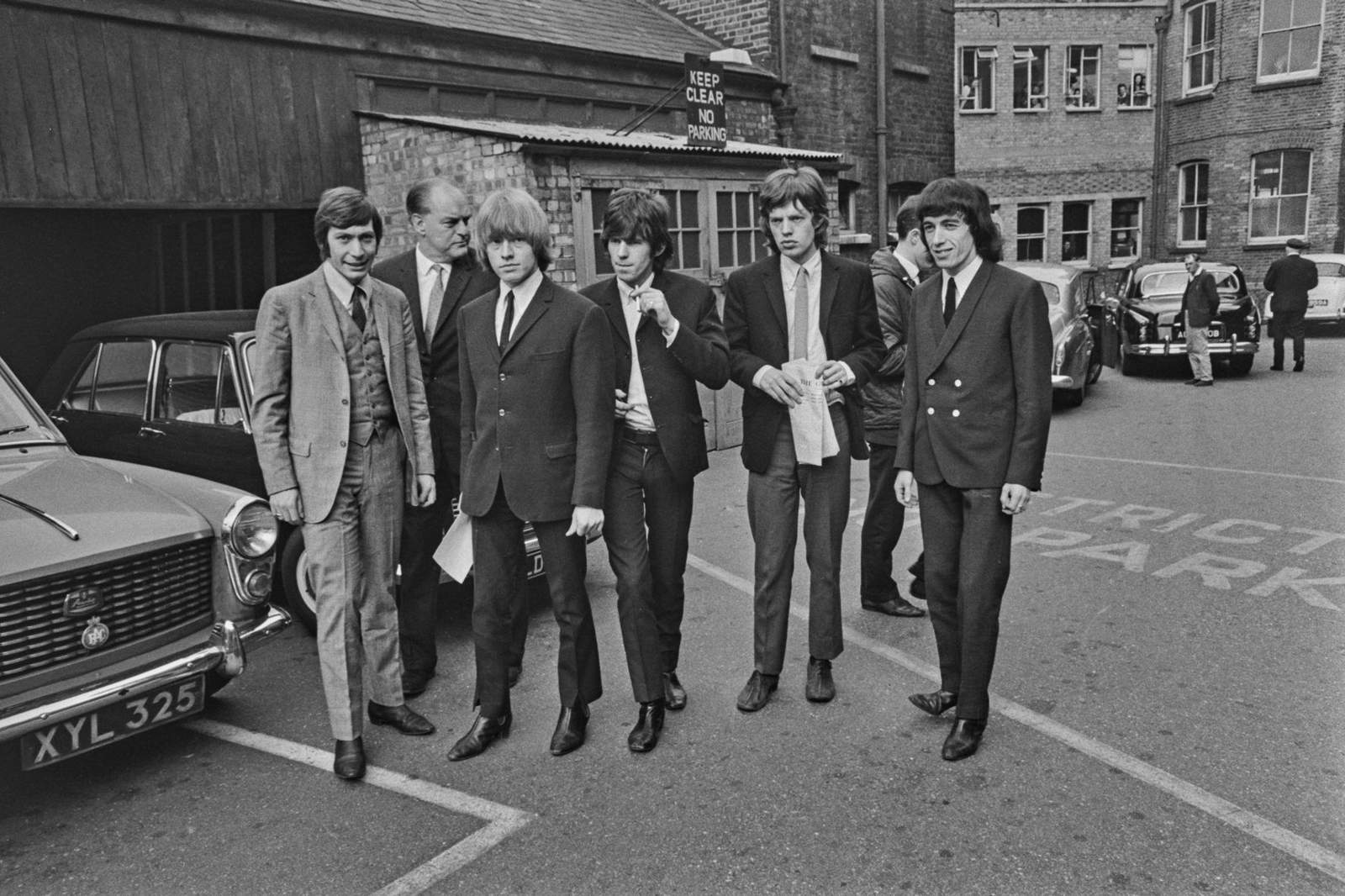
Watts didn’t respond right away. It took him about seven months to accept the offer. He didn’t officially join the band until January 1963. The lineup that is now considered the classic one—featuring Jones, Jagger, Richards, Watts, and Bill Wyman—took the stage for the first time on February 2, 1963, at the Ealing Jazz Club. Between the letter in June and that February concert, the band had found both a drummer and a bassist—the two missing pieces that Jones had hinted at in his postscript.
So the letter didn’t seal the deal right then and there. Rather, it documents the first round of patient negotiations, and the way Jones, in about twenty lines, tried to sell a band that still existed only in rehearsal.
From Wembley to New York
The item up for sale includes the original handwritten letter and its original mailing envelope, complete with a stamp. The envelope bears the address of the family home where Charlie Watts grew up, in the Wembley neighborhood of London. This physical detail matters: it places the future Rolling Stones drummer in his childhood home, at a time when he was dividing his time between an advertising agency and blues clubs.
The provenance is as direct as one could hope for. The document has remained intact in the Watts family’s possession for more than sixty years. It was Charlie Watts’s sister who entrusted it to the auction house. Neither the letter nor its full text had ever been exhibited or made public until now. For an item linked to the early days of a band whose history has been chronicled in every detail, its rarity is a selling point in itself.
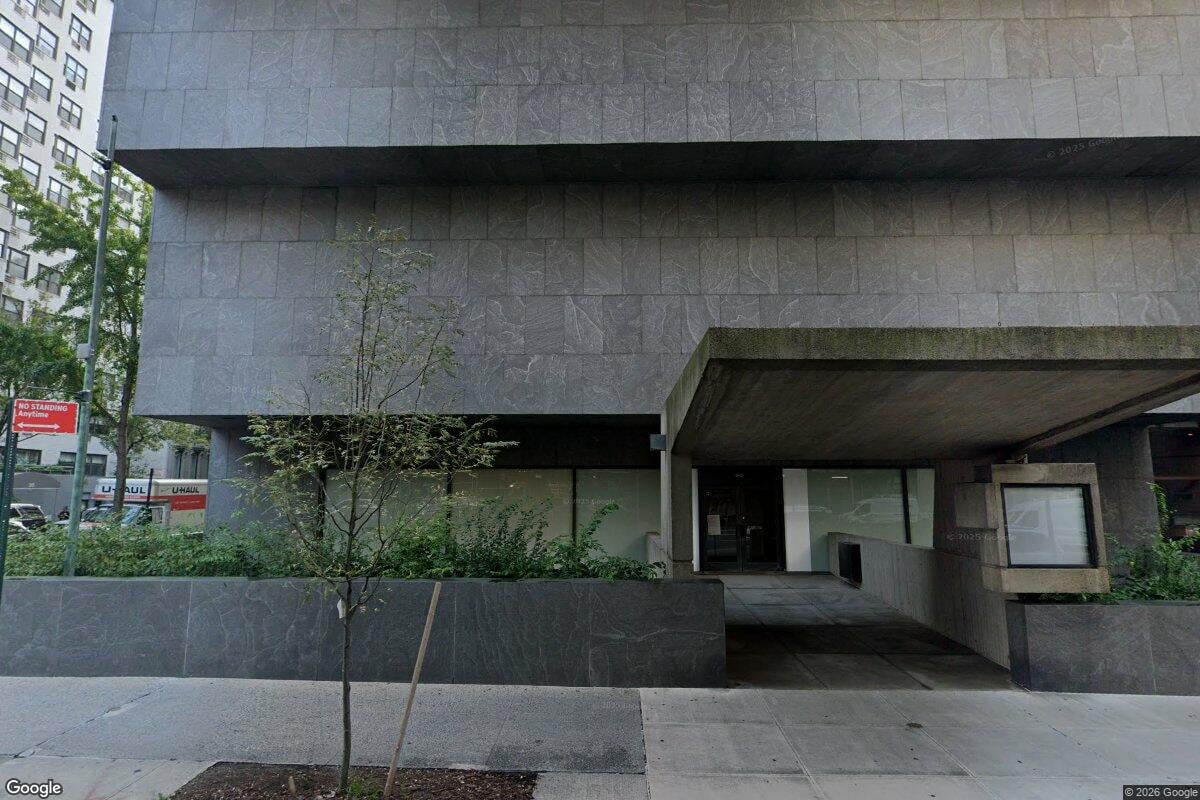
The letter is included in Sotheby’s New York Rock & Pop auction. It will be on public display in New York from December 2 to 8, 2026, prior to the auction on December 15. The catalog estimate ranges from $70,000 to $80,000, or approximately 65,000 to 74,000 euros at the October 2026 exchange rate; the equivalent figure on the British side is around 60,162 pounds.
This range remains an estimate and does not indicate the hammer price. The final amount will depend on the auction house, the bidders, and the value each assigns to this page, in which a still-unknown musician apologizes for his impertinence, promises a “tightly-knit” sound, and calls his drummer atrocious. The result will be announced on December 15.