Make Texture a preferred source on Google to support us
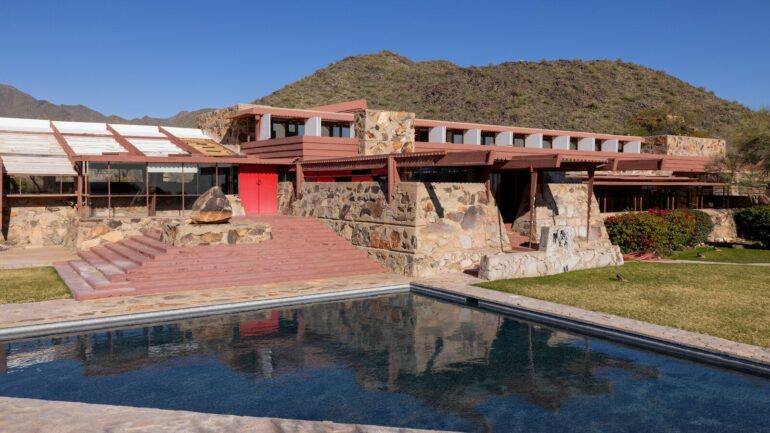
Add Texture to GoogleThe Sonoran Desert, with its shifting ochre hues and silhouettes of saguaro cacti, typically offers a spectacle of absolute harmony between man and nature. It was here, in the foothills of the McDowell Mountains in Scottsdale, that Frank Lloyd Wright built Taliesin West, his manifesto of organic architecture. Yet on Friday, October 16, 2026, this symbiosis was brutally shattered. Around 2:00 p.m., as a group of visitors was taking a guided tour through the concrete and stone structures, a piece of roofing came loose in the strong wind, fatally striking one of the participants. This tragedy, which occurred at one of the most protected sites in the world, led to an eight-day emergency closure, followed by a coordinated reopening on Saturday, October 24.
An Academic Figure at the Center of the Tragedy
The victim of this weather-related accident was quickly identified. He was Rogério Renato Mateucci, a 55-year-old Brazilian national from São Paulo. A prominent figure in the academic world, he had served since 2022 as rector of the Pontifical Catholic University of Paraná (PUCPR), a leading institution located in Curitiba. A member of the Marist Brothers congregation, Rogério Renato Mateucci was not in Arizona merely out of aesthetic curiosity. He was accompanying a Brazilian university delegation as part of an exchange and institutional immersion program at Arizona State University (ASU). The visit to Taliesin West was a cultural interlude on the sidelines of his work meetings in Tempe.
According to official reports, the impact was immediate and fatal. A fragment of a curved, translucent acrylic roof was blown off by wind gusts recorded that day at speeds between 51 km/h and 61 km/h by the National Weather Service at Scottsdale Airport. While no other injuries were reported among the group, the shockwave immediately prompted the Frank Lloyd Wright Foundation to suspend access to the site to allow emergency responders and investigators from the Scottsdale Police Department to carry out their work.
The Fragile State of a UNESCO Masterpiece
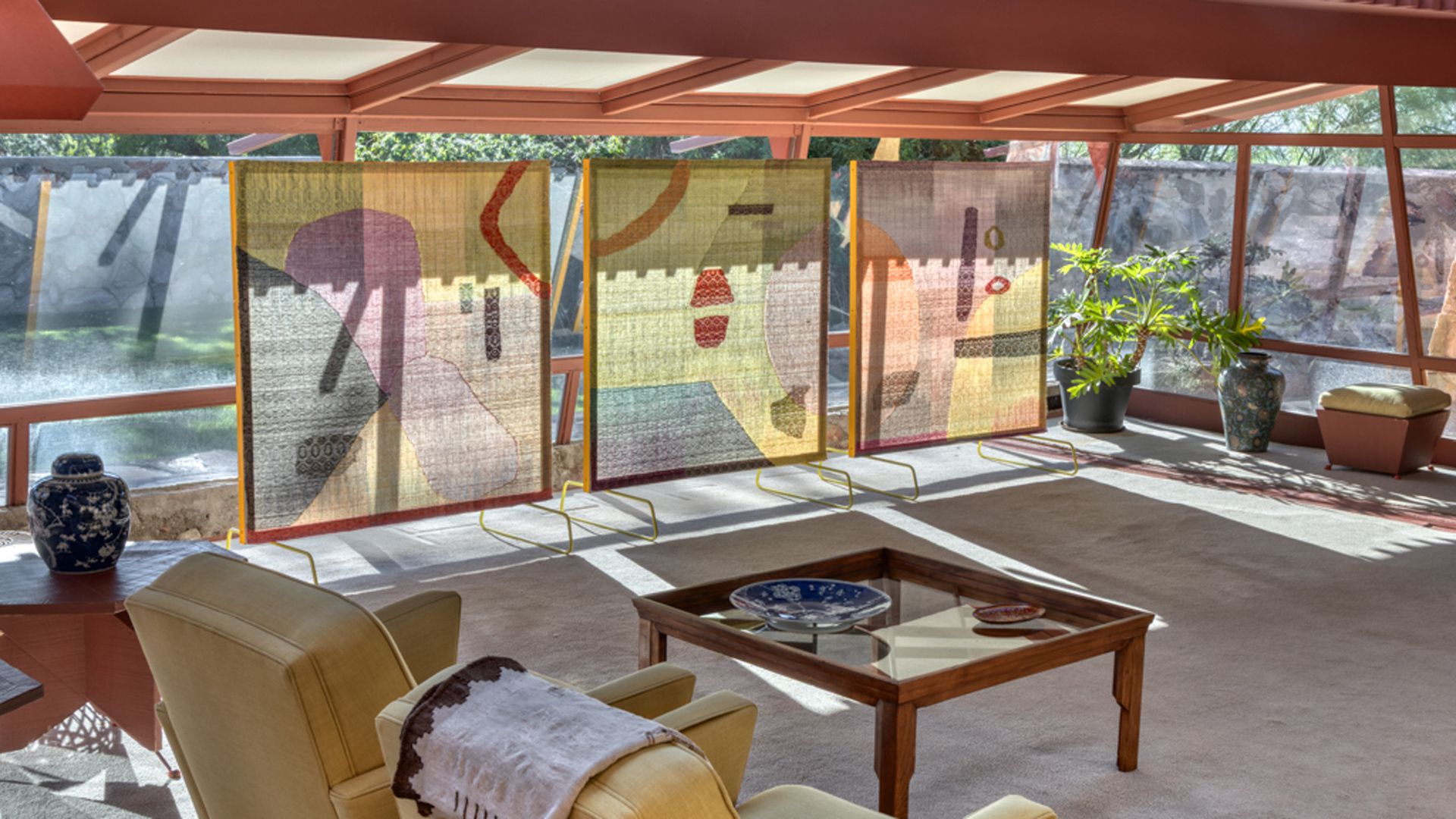
The accident inevitably raises questions about the preservation of a site that has been on the UNESCO World Heritage List since 2019. Taliesin West, originally designed in 1937 as the American master architect’s winter residence and studio, is a living structure—experimental by definition. Originally, Wright had envisioned lightweight cotton-canvas roofs mounted on wooden frames. While these roofs provided diffused, poetic light, they were not watertight and required constant maintenance.
To adapt to year-round tourist use and harsh weather conditions, the building underwent several structural changes. In the late 1950s, the canvas was replaced by fiberglass. Then, during the 1990s, rigid, insulated acrylic panels were installed. It is precisely one of these elements that is now at issue. Although the foundation has not specified the exact building from which the debris originated, the nature of the material—a curved Plexiglas panel—highlights the complexity of maintaining modern materials on historic structures subject to desert erosion. Paradoxically, a restoration program was already underway to gradually return to the original textile canopies, which were closer to Wright’s initial vision.

An Investigation Amid Severe Weather
The Scottsdale Police Department treated the incident as an accident caused by weather conditions. The initial findings of the investigation reveal no suspicious elements or criminal leads. The foundation’s crisis response was immediate, leading to a series of thorough safety inspections throughout the entire complex at 12621 N. Frank Lloyd Wright Blvd.
However, some questions remain, fueled by accounts that have not yet been officially confirmed. Some reports indicate that the sign flew approximately 30 meters before impact. Furthermore, allegations from a former employee reportedly mention minor incidents that occurred earlier in the year—notably during the monsoon storms of the summer of 2026—suggesting that parts of the roof had already shown signs of weakness. These claims, as well as criticism regarding the allocation of safety funds, have not been addressed by the site’s administrators.
Reopening and Reflection
After a week of inspections, Taliesin West reopened its doors to the public on Saturday, October 24, at 10:00 a.m. The site, which welcomes approximately 100,000 visitors per year, is attempting to return to normalcy while emotions remain high, particularly within the Marist and Brazilian academic communities. The Frank Lloyd Wright Foundation is maintaining its regular programming, including the temporary exhibition “Originals.”
For architecture enthusiasts wishing to visit, admission prices remain unchanged. The self-guided audio tour is available for $44 USD (approximately €41) for adults and $22 USD (approximately €20) for children ages 6 to 17. Admission remains free for members of the foundation. Beyond its cultural significance, every step through the gardens and corridors of Taliesin West now resonates with a newfound vulnerability, reminding us that even monuments of stone and light remain subject to the whims of the weather.